[email protected]

24/7 Customer Support

+86-13761906384

24/7 Customer Support

Blogs

Shanghai Huaxiao Metal will show you some common blogs and questions about metals, if you have any questions, please contact us directly! Looking forward to becoming one of your metal suppliers in China!

Aluminum Coils, Aluminum Coil Stock

Recent Metal Blogs

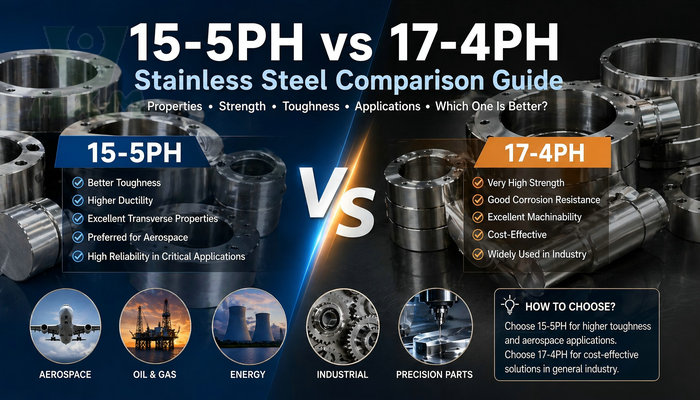
15-5 PH vs 17-4 PH Stainless Steel Which High-Strength Alloy Should You Choose

15-5 PH vs 17-4 PH Stainless Steel: Which High-Strength Alloy Should You Choose?

Choosing between 15-5 PH and 17-4 PH stainless steel is a pivotal decision for high-strength engineering. While both are premier precipitation-hardening alloys, the primary difference lies in their microstructure: 15-5 PH is a ferrite-free version of 17-4 PH, offering superior transverse toughness and consistency in thicker sections. In this Huaxiao
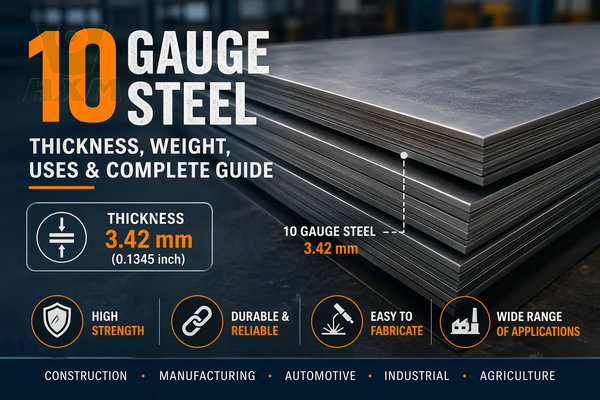
10 gauge steel thickness infographic showing 3.42 mm sheet metal comparison, weight, strength and industrial applications in construction, manufacturing and automotive industries

10 Gauge Steel: Thickness, Weight, Price & Industrial Applications

10 gauge steel is a heavy-duty sheet metal approximately 3.42 mm (0.1345 inches) thick. It is widely used in construction, manufacturing, and industrial engineering due to its high strength, durability, and load-bearing capacity. The lower the gauge number, the thicker and stronger the steel sheet. However, many buyers still struggle

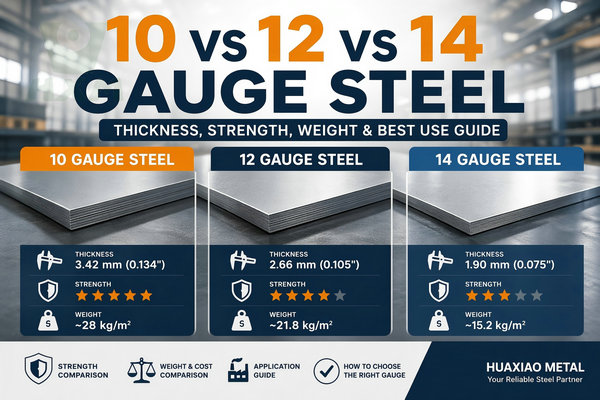
10 vs 12 vs 14 gauge steel thickness comparison chart showing mm, weight and strength for industrial sheet metal selection

10 vs 12 vs 14 Gauge Steel: Thickness, Strength & Best Use Guide

When selecting sheet metal for construction, fabrication, or industrial manufacturing, one of the most common questions is: Should you choose 10 gauge, 12 gauge, or 14 gauge steel? 10 gauge steel = 3.42 mm → strongest & heaviest 12 gauge steel = 2.66 mm → best balance of strength &

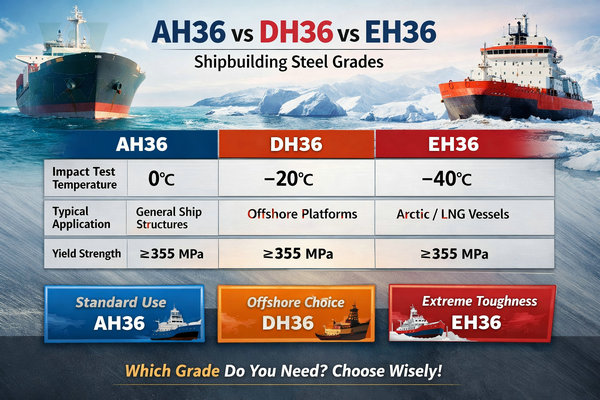
AH36 vs DH36 vs EH36 steel comparison chart showing impact temperature, mechanical properties, and shipbuilding applications

AH36 vs DH36 vs EH36 Shipbuilding Steel: Properties, Standards & Selection Guide

Choosing the right shipbuilding steel plate is critical for vessel safety, offshore structural reliability, and long-term operating performance in marine environments. Among ASTM A131 structural marine steels, AH36, DH36, and EH36 are the most widely used high-strength shipbuilding steel grades for commercial ships, offshore platforms, LNG carriers, and marine engineering

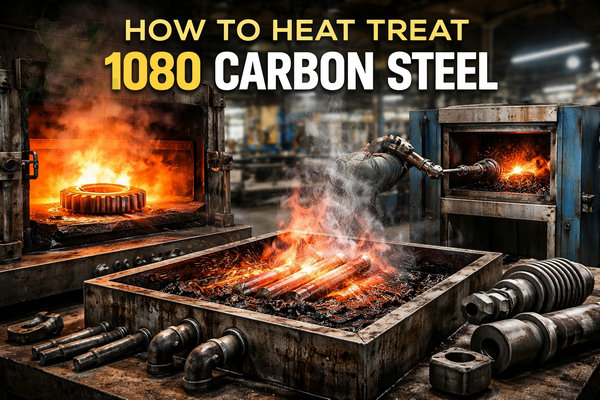
1080 Carbon Steel Heat Treatment Process - Huaxiao Metal

How to Heat Treat 1080 Carbon Steel for Best Performance

Proper heat treatment is critical for maximizing the performance of 1080 carbon steel. Without correct processing, high-carbon steels can become brittle or fail under stress. In this guide, Huaxiao Metal shares a complete step-by-step process for annealing, quenching, and tempering, along with expert tips to ensure your steel components achieve

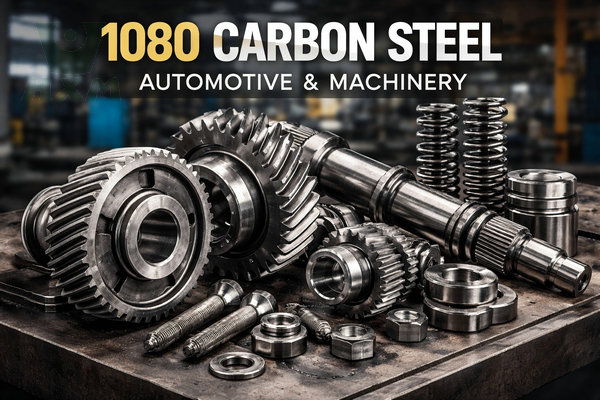
1080 Carbon Steel Automotive and Machinery Applications - Huaxiao Metal

Top Uses of 1080 Carbon Steel in Automotive & Machinery

1080 Carbon Steel is a high-carbon steel known for its excellent hardness, tensile strength, and wear resistance. It is widely used in industries that demand durability and precision. At Huaxiao Metal, we specialize in supplying high-quality 1080 carbon steel, suitable for automotive components, industrial machinery, and custom-engineered projects. In this

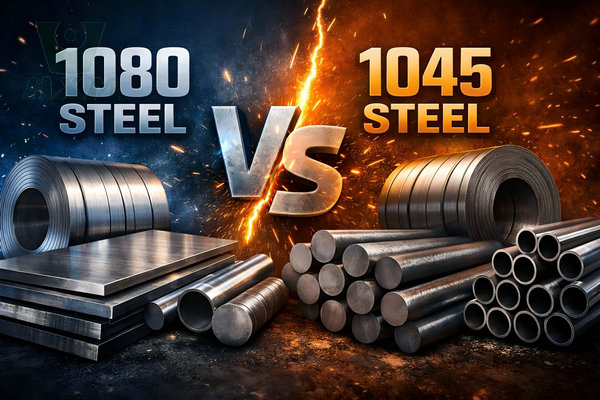
1080 steel vs 1045 steel comparison with plates coils bars and pipes supplier Huaxiao Metal

1080 Steel vs 1045 Steel: A Complete Comparison for Engineers

When selecting carbon steel for engineering or industrial applications, the choice between 1080 steel vs 1045 steel can significantly impact performance, cost, and machinability. Both are widely used AISI carbon steels, but they differ in carbon content, hardness, strength, and application areas. Understanding these differences helps engineers and purchasing personnel

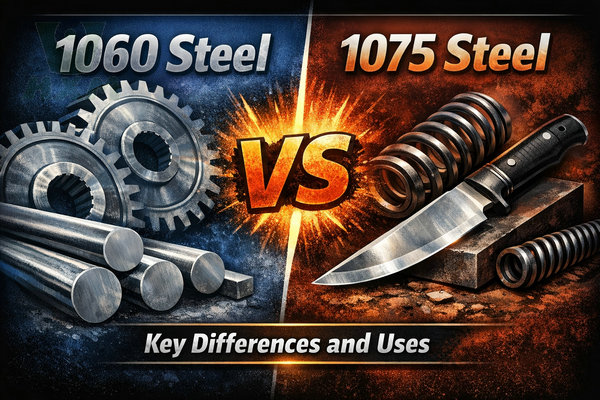
1060 Steel vs 1075 Steel Key Differences

1060 Steel vs 1075 Steel: Key Differences, Properties, Applications & Buying Guide

When selecting high carbon steel for industrial manufacturing, tooling, or blade production, 1060 steel vs 1075 steel are two commonly compared materials. Both belong to the 10xx carbon steel series, but their differences in carbon content lead to distinct mechanical properties and applications. 1060 steel is known for its balanced

Engineering Machinery Steel

Please Share This

Metal Categories

Get The Latest Updates

Subscribe To Our Weekly Newsletter

Get all latest content delivered to your email a few times a month.

Welcome