17-4PH & 15-5PH Precipitation Hardening Stainless Steel Supplier | Factory Price & Stock Available

Precipitation Hardening Stainless Steel (PH Stainless Steel)
High Strength • Excellent Corrosion Resistance • Heat Treatable Grades

As a leading professional metal manufacturer, Huaxiao Metal specializes in providing high-quality Precipitation Hardening (PH) Stainless Steel. By adding elements like Copper, Aluminum, and Niobium, these alloys achieve exceptional strength through aging heat treatments while maintaining the corrosion resistance characteristic of austenitic grades.

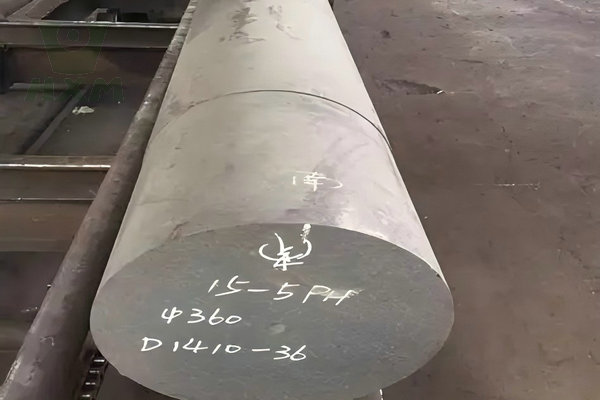
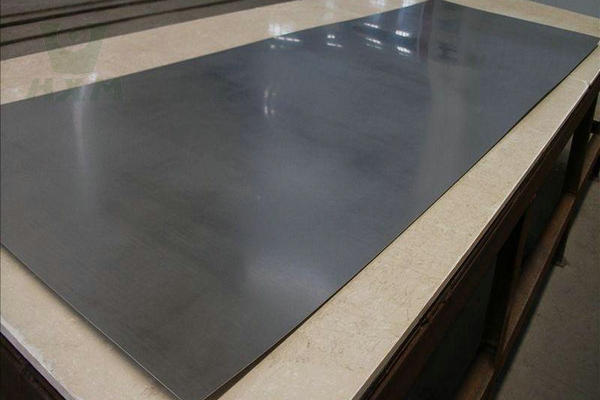
We supply 17-4PH (UNS S17400) and 15-5PH (UNS S15500) stainless steel in plates, bars, sheets, and custom sizes — directly from factory with competitive pricing.

✅ Available in stock
✅ Fast delivery (7–15 days)
✅ Mill Test Certificate (MTC EN 10204 3.1)
✅ Custom cutting & processing

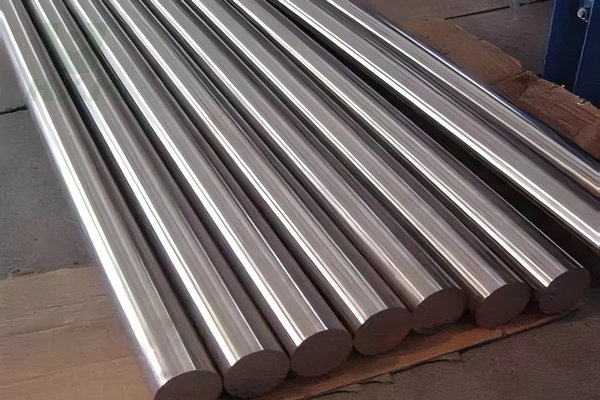
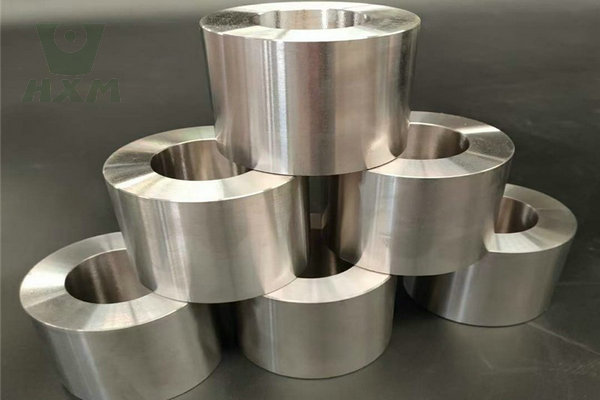
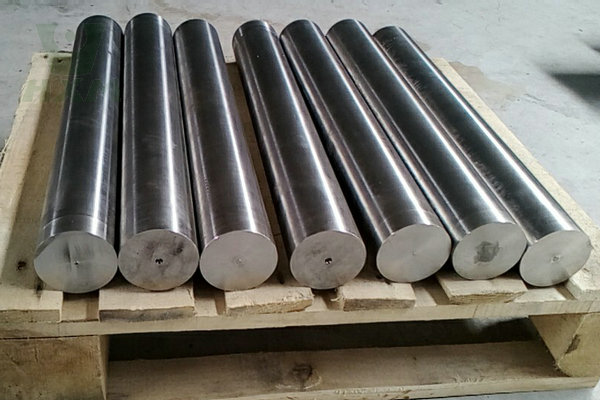
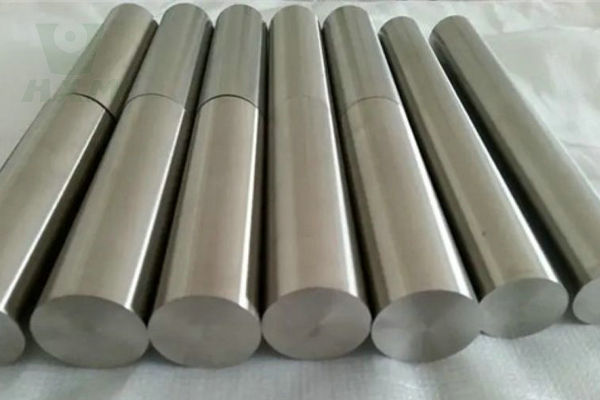
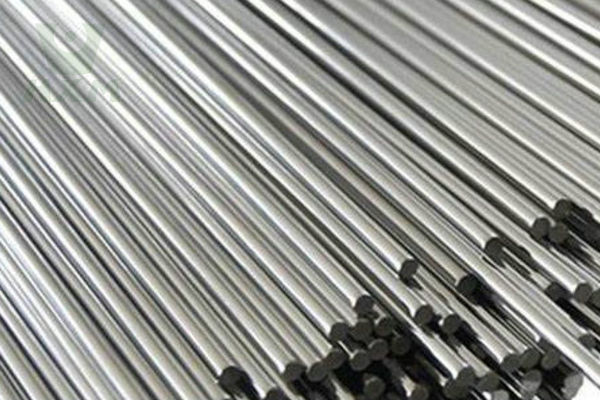
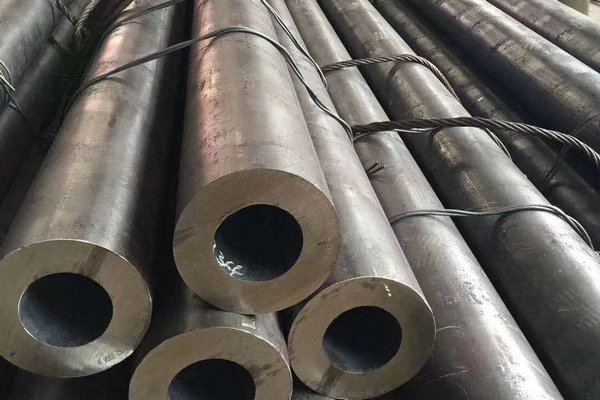
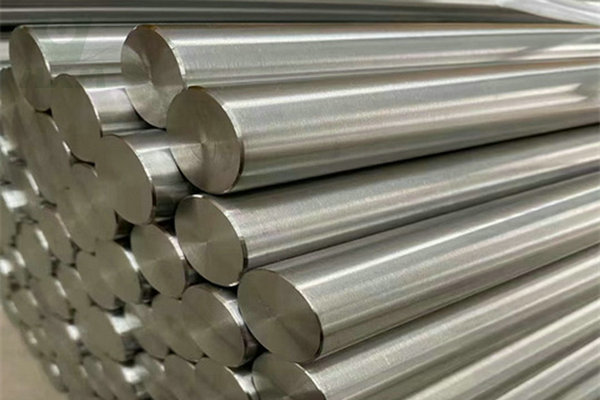
Precipitation Hardening Stainless Steel Bar, Precipitation-Hardening Stainless Bars

PH Stainless Steel Available Grades & Standards

  • Grades: 17-4PH(05Cr17Ni4Cu4Nb,sus630), 17-7PH(07Cr17Ni7Al,sus631), 15-7PH(0Cr15Ni7Mo2Al), 15-5PH (05Cr15Ni5Cu4Nb), etc.

  • Sizes: Custom sizes available

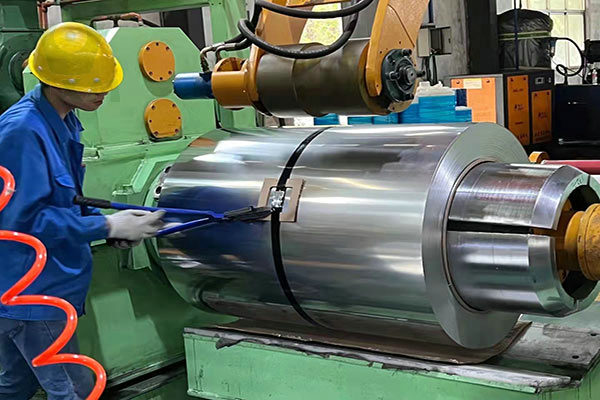
  • Shapes: Sheet/Plate/Bar/Tube/Strip/Coil/Wire, etc.

  • Temper: H900, H1150, H950, H1025, H1075, etc.

  • Standard: ASTM A564, AMS 5643, AMS 5659, ASTM A693, AMS 5629, AMS 5604, etc.

Huaxiao Metal specializes in the supply of precipitation hardened stainless steel in various specifications, including 17-4PH, 15-5PH, 17-7PH, 13-8Mo, and other grades, ensuring stable quality, sufficient inventory, and competitive prices. Contact us now to get a quote!

Our Main PH Stainless Steel Grades

We provide a comprehensive range of PH alloys tailored for high-stress environments.

Grade (Common)UNS DesignationForm AvailableKey Advantage
17-4 PHS17400Bar, Plate, SheetMost versatile; high hardness and excellent corrosion resistance.
15-5 PHS15500Round Bar, ForgingBetter transverse toughness; ideal for complex structural parts.
17-7 PHS17700Strip, Coil, WireExcellent fatigue properties; the top choice for aerospace springs.
13-8 MoS13800Precision BarHighest fracture toughness and resistance to stress corrosion.

Precipitation Hardening Stainless Steel Data Sheet

Chemical Composition Comparison (%)

GradeCCrNiCuMoMnSiOthers
17-4 PH≤ 0.0715.0-17.53.0-5.03.0-5.0≤ 1.0≤ 1.0Nb 0.15-0.45
15-5 PH≤ 0.0714.0-15.53.5-5.52.5-4.5≤ 1.0≤ 1.0Nb 0.15-0.45
13-8 Mo≤ 0.0512.25-13.257.5-8.52.0-2.5≤ 0.1≤ 0.1Al 0.9-1.35
PH 13-8≤ 0.0512.25-13.257.5-8.52.0-2.5≤ 0.10≤ 0.10Al 0.90-1.35
17-7 PH≤ 0.0916.0-18.06.5-7.75≤ 1.0≤ 1.0Al 0.75-1.5
15-7 Mo≤ 0.0914.0-16.06.5-7.752.0-3.0≤ 1.0≤ 1.0Al 0.75-1.5
  • Al is added to 17-7 PH and 15-7 Mo stainless steels to enhance the material’s precipitation hardening characteristics, making them suitable for high-strength and fatigue-resistant applications.
  • 15-7 Mo contains Mo to increase corrosion resistance.
  • Comparing the compositions of precipitation-hardening stainless steel grades can help select the most appropriate material, which should be determined based on the application requirements and the material supplier’s specifications.

Physical Properties Comparison

GradeDensity (g/cm³)Thermal Conductivity (W/m·K)Electrical Resistivity (µΩ·cm)Elastic Modulus (GPa)Coefficient of Thermal Expansion (µm/m·K)
17-4 PH7.7517.08020010.8
15-5 PH7.7516.09020010.8
13-8 Mo7.8015.48720010.3
17-7 PH7.8015.08520010.4
15-7 Mo7.8014.68720010.4

These properties are approximate, as slight variations can occur due to differences in processing and exact composition.


Mechanical Properties Comparison

GradeConditionTensile Strength (MPa)Yield Strength (MPa)Elongation (%)Hardness (HRC)
17-4 PHH900131011701040-47
 H11509307251628-34
15-5 PHH900131011701242-46
 H11509307251528-34
13-8 MoH950124010701038-44
 H115010359651332-36
17-7 PHCondition A1035965936-40
 Condition TH105014001240647-51
15-7 MoCondition A1035965936-40
 Condition TH105013751170744-48
  • Tensile Strength indicates the maximum stress the material can withstand.
  • Yield Strength is the stress at which the material begins to deform permanently.
  • Elongation measures ductility, showing how much the material can stretch before breaking.
  • Hardness (HRC) reflects resistance to deformation or scratching, particularly useful for wear-resistance considerations.

These values ​​are provided for reference only and properties may vary slightly depending on the exact alloy composition and heat treatment process. Each precipitation hardening manufacturer’s values ​​will have slight differences, but the overall data will not vary much.

Precipitation Hardening Stainless Steel Application

Precipitation hardening stainless steel is widely used in fields with strict requirements on material strength and corrosion resistance, including:

  • Aerospace: Suitable for aircraft parts and structural parts, providing lightweight and high-strength solutions.

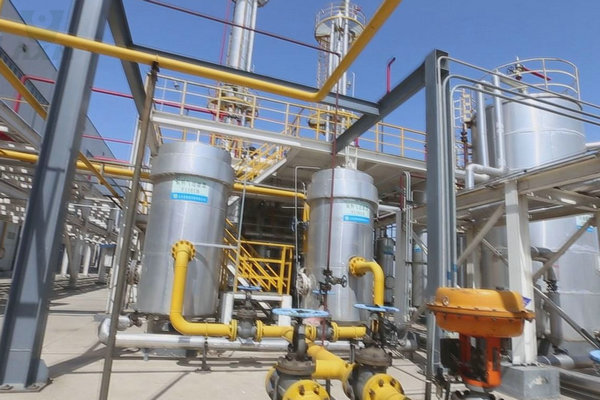
  • Chemical and petroleum: Maintain good performance in corrosive environments, suitable for oil well equipment, valves, and pipelines.

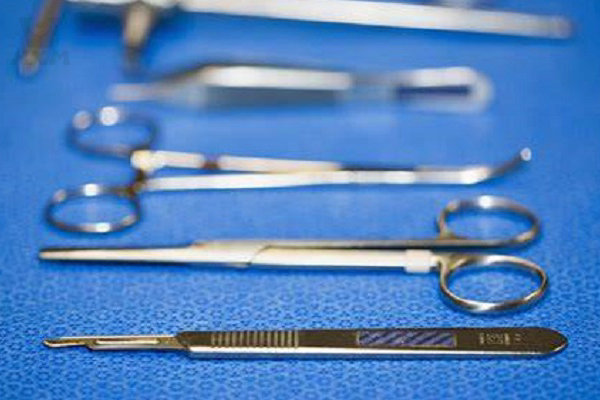
  • Medical equipment: Used for surgical instruments and medical implants, ensuring high strength and corrosion resistance.

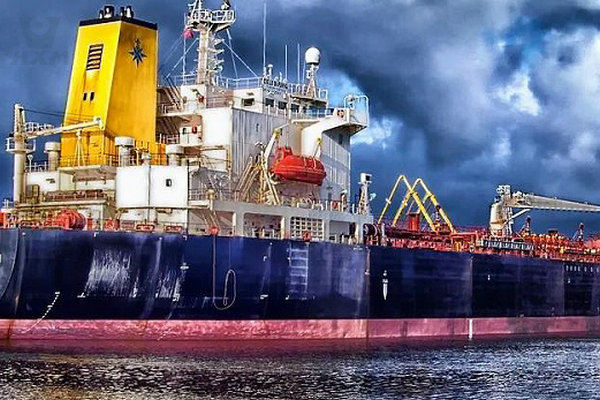
  • Marine engineering: Suitable for use in marine and salt spray environments, extending the service life of equipment.

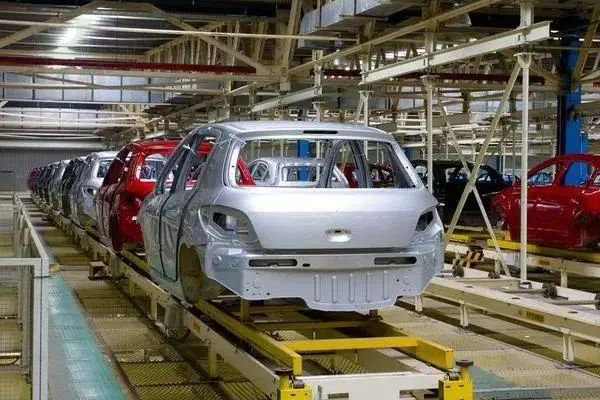
  • Automobile manufacturing: Used for important components such as transmissions and bearings, ensuring high strength and wear resistance.

Product Features of Precipitation Hardened Stainless Steel

  • High strength and hardness: The strength after heat treatment can be as high as 1500 MPa, suitable for applications requiring extremely high strength.

  • Excellent corrosion resistance: Especially suitable for the chemical environment and marine climate conditions, with good corrosion resistance.

  • Easy to process: Precipitation hardened stainless steel has good processability before hardening, and can be further hardened after processing to improve performance.

  • Excellent wear resistance: Long service life and can maintain stable performance in a high friction environment.

Need high-strength, corrosion-resistant stainless steel? Huaxiao Metal has it in stock!

Why Choose Huaxiao Metal

  • 15+ years of export experience

  • Stable raw material supply

  • Global customers (Europe, the Middle East, and South America)

  • Competitive factory price

  • Precision Processing: Custom cutting, grinding, and CNC machining to meet your exact blueprints.

  • Rigorous Quality Control: Every batch undergoes Ultrasonic Testing (UT) and Hardness Testing before leaving our warehouse.

  • Authentic Stock: We provide real-time photos and videos of our warehouse stock to ensure transparency.

We help you reduce procurement cost by 10–20%

FAQ From Huaxiao Metal Supplier

Precipitation hardened stainless steel is a type of stainless steel that achieves high strength through a heat treatment process called precipitation hardening. This process increases the strength and hardness of the stainless steel by forming fine particles, or precipitates, in the alloy matrix. These steels, often called PH stainless steels, combine corrosion resistance and strength, making them ideal for applications that require a durable, high-strength material that can withstand harsh environments. Common grades include 17-4 PH, 15-5 PH, and 13-8 Mo, etc.
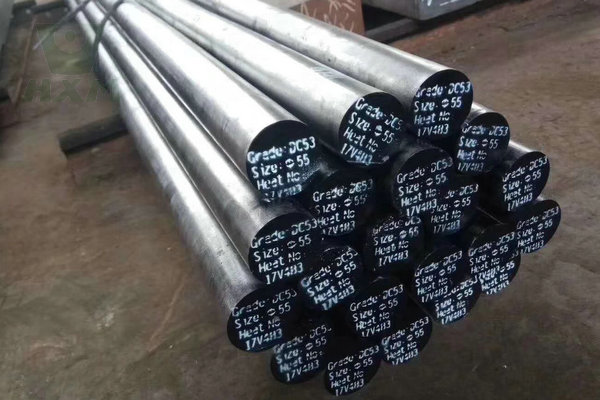
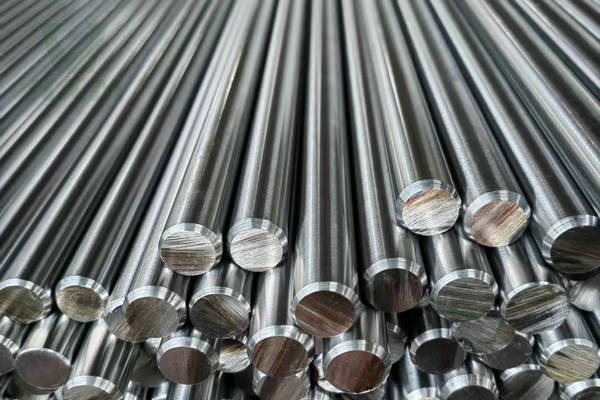
Precipitation hardening is a three-stage heat treatment process that strengthens and hardens alloys by creating small particles in the material structure:

  • Solution treatment: The alloy is heated to a high temperature to dissolve the elements into a solid solution, then cooled rapidly to trap the alloying elements in the metal matrix.

  • Quenching: The material is cooled rapidly (quenched) to retain the elements in solution, preventing them from precipitating out as the material cools.

  • Aging: The alloy is reheated to a moderate temperature and held for some time. During aging, the trapped elements precipitate as very fine particles, strengthening the alloy by hindering dislocation movement.

The process produces a hardened, high-strength material suitable for structural applications in aerospace, military, and industrial machinery.

Welding precipitation-hardened stainless steels requires careful control to maintain the strength and corrosion resistance of the weld area. Typically, welding is performed before the final aging stage of the heat treatment process. After welding, the material is aged to restore its mechanical properties. This technique ensures that the strength and corrosion resistance of the weld area remain the same as the rest of the material. Some PH stainless steels, such as 17-4 PH, are easier to weld and better retain their properties after welding.

  • Consider strength requirements: Do you need extremely high tensile strength? Choose 17-4PH, 17-7PH.

  • Corrosion resistance: Do you need high corrosion resistance? Choose 15-5PH, 13-8Mo.

  • Processing performance: Do you need welding and machining? 15-5PH and 17-4PH are more suitable.

  • Application industries: Aviation, medical, marine environment, choose the most suitable grade.

The main difference between martensitic stainless steel and precipitation hardening stainless steel is their strengthening mechanism and applications:

  • Strengthening mechanism: Martensitic stainless steel hardens by rapid cooling (quenching), which transforms the structure into a hard and brittle martensite phase. However, precipitation hardening stainless steel gains strength through aging, when fine particles form in the alloy matrix.

  • Properties: Martensitic stainless steels typically have high hardness and moderate corrosion resistance, while precipitation hardening stainless steels combine high strength, corrosion resistance, and toughness.

  • Applications: Martensitic stainless steels are widely used in applications where hardness is required, such as knives, cutting tools, and turbine blades. Precipitation hardening stainless steels have balanced strength and corrosion resistance and are used in aerospace components, valve components, and high-stress structural applications.

Martensitic Stainless Steel vs. Precipitation Hardening Stainless Steel

Yes, in their hardened conditions (like H900 or H1150), PH stainless steels are typically ferromagnetic.

Yes. All PH stainless steel (including 17-4, 15-5, and 17-7 PH) comes with an original MTC conforming to EN 10204 3.1. For demanding aerospace or oil and gas projects, we support ultrasonic testing (UT) and chemical composition re-inspection by third-party organizations such as SGS and TUV.

Huaxiao Metal has a large inventory of 17-4 PH and 15-5 PH round bars and plates, supporting spot shipments with no MOQ. We also provide CNC sawing and precision grinding services, and can customize parts blanks to specific sizes according to your drawings to meet customers’ R&D testing or emergency repair needs.

We understand the impact of long-distance transportation on metal materials. All PH alloy products are coated with a thickened anti-rust oil and packaged in professional fumigated wooden crates or export-grade reinforced packaging. Each shipment includes a desiccant to ensure the products arrive at your factory free of rust and mechanical damage.

Of course. Our technical team will provide material comparison options based on your application environment (e.g., corrosion resistance, transverse impact toughness requirements, work hardening rate, etc.). Generally, 17-4 PH is the most versatile and cost-effective choice, while 15-5 PH performs better in large longitudinal components.

Get Professional Precipitation Hardened Stainless Steel Prices From Huaxiao Supplier

Ready to start your project? Our technical team is here to assist with material selection and pricing.

Huaxiao Special Alloy Steel Products