[email protected]

24/7 Customer Support

+86-13761906384

24/7 Customer Support

Blogs

Shanghai Huaxiao Metal will show you some common blogs and questions about metals, if you have any questions, please contact us directly! Looking forward to becoming one of your metal suppliers in China!

Aluminum Coils, Aluminum Coil Stock

Recent Metal Blogs

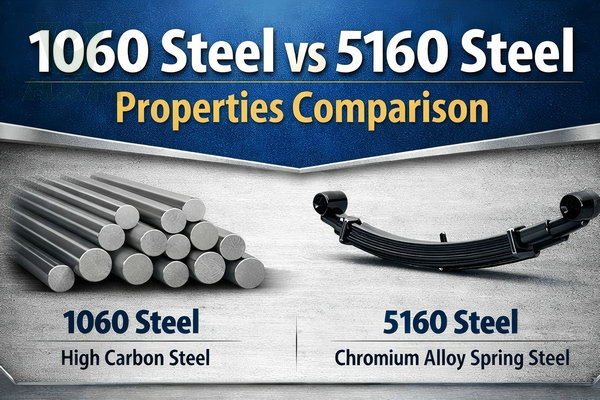
1060 steel vs 5160 steel comparison chart

1060 Steel vs 5160 Steel: Key Differences, Properties, Applications & Buying Guide

When selecting carbon steel for industrial manufacturing, mechanical parts, or tool production, engineers and buyers often compare 1060 steel vs 5160 steel. Both steels are widely used in manufacturing due to their strength, hardness, and durability. However, although these two steels contain similar carbon levels, they differ significantly in alloy
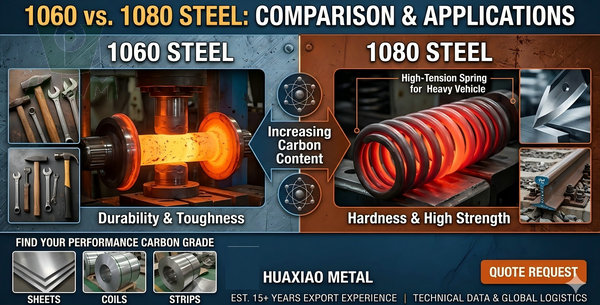
1060 vs 1080 carbon steel comparison chart showing industrial applications like springs, rails, and forged tools by Huaxiao Metal.

1060 vs 1080 Steel: Which Carbon Steel is Better for Your Project?

When selecting carbon steel for industrial manufacturing or tooling applications, 1060 steel and 1080 steel are two commonly used high-carbon steel grades. Both belong to the AISI carbon steel series and offer excellent hardness and heat-treating capabilities. However, the difference in carbon content, hardness, toughness, and wear resistance means that

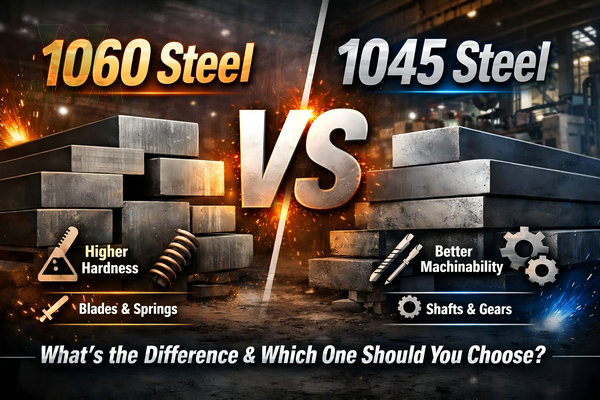
Comparison of AISI 1060 Steel vs 1045 Steel: Properties, Applications, and Industrial Uses

1060 vs 1045 Steel: Which Carbon Steel is Better for Your Project?

When choosing carbon steel for industrial applications, engineers and buyers often compare 1060 vs 1045 steel. Both belong to the AISI 10xx carbon steel series, meaning their primary alloying element is carbon. However, their different carbon levels significantly affect hardness, strength, machinability, and applications. Understanding the differences between these two

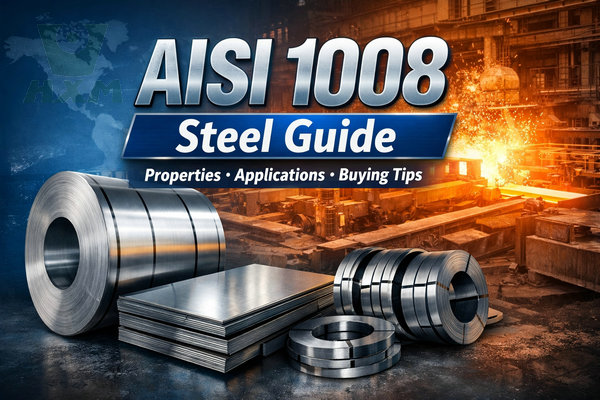
AISI 1008 steel sheet, coil and strip in manufacturing plant

AISI 1008 Steel Guide: Properties, Applications & Buying Tips

When sourcing low carbon steel for stamping, forming, or automotive components, AISI 1008 steel is one of the most widely selected grades. Known for its excellent formability, weldability, and cost efficiency, 1008 steel is commonly supplied in sheet, coil, and strip formats for industrial manufacturing. If you are evaluating a

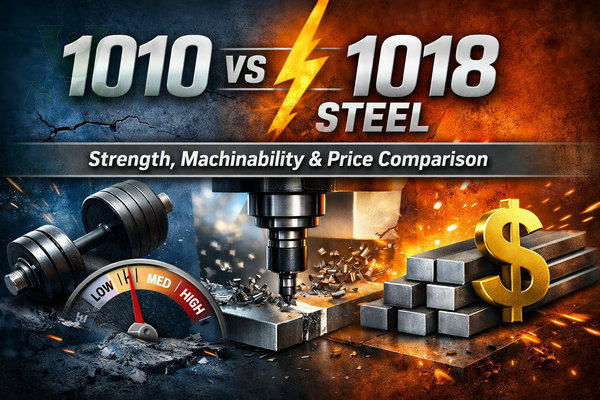
Comparison of 1010 vs 1018 steel showing strength, machinability, and price for B2B manufacturing applications

1010 vs 1018 Steel: Strength, Machinability & Price Comparison

When choosing between AISI 1010 steel and AISI 1018 steel, the decision usually comes down to one key question: Do you need maximum formability — or higher strength and machinability? Both grades are low-carbon (mild) steels. However, their small differences in carbon and manganese content significantly affect: Strength Hardness Machinability

1010 carbon steel sheet and round bars with industrial background showing properties and applications

Everything You Need to Know About 1010 Carbon Steel

1010 Carbon Steel is a low-carbon steel with excellent machinability and moderate strength. It is commonly used in industrial applications where high strength is not required but formability and cost-effectiveness are important. Key Features of 1010 Carbon Steel: Carbon content: 0.08–0.13% Manganese: 0.30–0.60% Low hardness, easy to shape, weldable Suitable

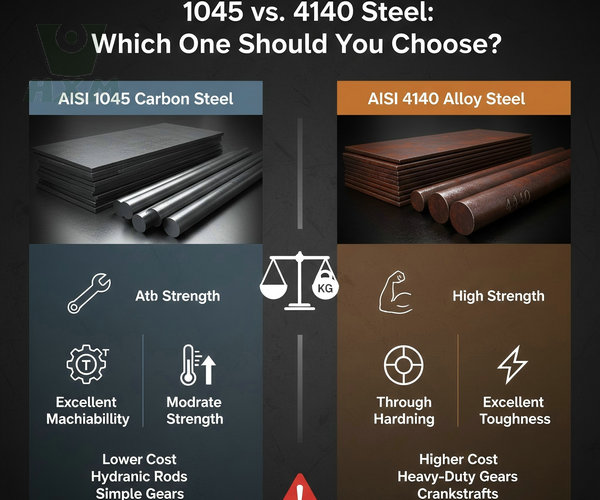
Comparison chart of AISI 1045 carbon steel vs 4140 alloy steel plates and round bars - Huaxiao Metal

1045 vs 4140 Steel: Which One Should You Choose?

In the world of machinery and manufacturing, choosing between AISI 1045 carbon steel and AISI 4140 alloy steel is a decision that impacts both the performance and the bottom line of your project. While both are widely used in the production of shafts, gears, and bolts, they belong to different

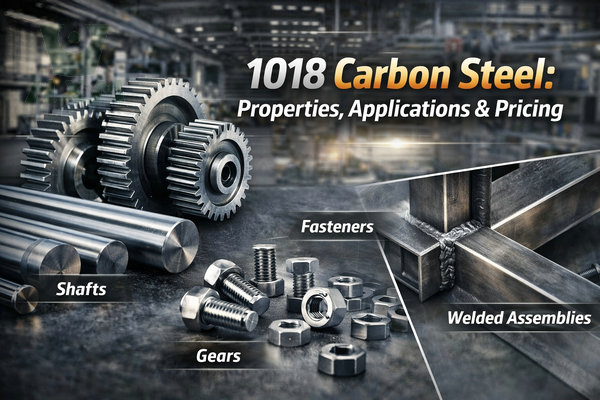
1018 carbon steel applications including shafts, gears, fasteners, and welded assemblies in industrial manufacturing

1018 Steel Guide: Properties, Applications & Global Pricing for Buyers

AISI 1018 carbon steel (UNS G10180) is the industry’s most versatile, low-carbon mild steel. Known as the “workhorse” of the machining world, it contains approximately 0.15%–0.20% carbon and a balanced manganese content. Its reputation stems from an extraordinary combination of excellent machinability, superior weldability, and high formability. For engineering and

Engineering Machinery Steel

Please Share This

Metal Categories

Get The Latest Updates

Subscribe To Our Weekly Newsletter

Get all latest content delivered to your email a few times a month.

Welcome