Proper heat treatment is critical for maximizing the performance of 1080 carbon steel. Without correct processing, high-carbon steels can become brittle or fail under stress. In this guide, Huaxiao Metal shares a complete step-by-step process for annealing, quenching, and tempering, along with expert tips to ensure your steel components achieve optimal hardness, toughness, and durability.
Properties of 1080 Carbon Steel
- Carbon Content: 0.78–0.85%
- Hardness Potential: Can reach 60–65 HRC after quenching and tempering
- Applications: Automotive gears, machinery shafts, springs, and industrial dies
Understanding these properties is essential before starting the heat treatment process.
Top Uses of 1080 Carbon Steel in Automotive & Machinery
1080 Carbon Steel is a high-carbon steel known for its excellent hardness, tensile strength, and wear resistance. It is widely used in industries that demand
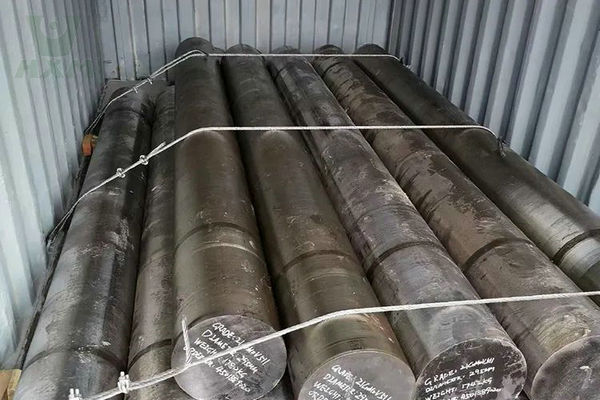
AISI 1080 Steel Supplier & Manufacturer | Huaxiao Metal Trusted AISI 1080 Steel Supplier and Manufacturer – Huaxiao Metal 1080 Carbon Steel (UNS G10800) is
Step-by-Step Heat Treatment Process
Step 1: Annealing
- Heat steel to 760–780°C and cool slowly in a furnace or insulating medium.
- Softens steel for machining and relieves internal stress.
Step 2: Quenching
- Heat steel to 800–830°C.
- Rapidly cool in oil or water for high hardness.
- Ensures wear resistance for gears, shafts, and springs.
Step 3: Tempering
- Reheat quenched steel to 200–400°C.
- Reduces brittleness while maintaining high hardness.
- Choose temperature based on desired balance between toughness and hardness.
Tips for Best Performance
- Maintain uniform heating to avoid warping
- Select appropriate quenching medium based on part size
- Conduct hardness tests (Rockwell/Brinell) after treatment
- Document process parameters for reproducibility
For custom heat treatment guidance or 1080 steel quotes, contact Huaxiao Metal today.
FAQ – 1080 Carbon Steel Heat Treatment
Can 1080 steel be used without heat treatment?
It can, but untreated steel will have lower hardness and wear resistance, reducing component lifespan.
What cooling medium is best for quenching?
Oil is most common for medium-size parts; water or polymer quench may be used for smaller parts requiring maximum hardness.
How does tempering temperature affect steel?
Higher tempering temperatures reduce hardness but improve toughness. Lower temperatures maintain hardness but may increase brittleness.
Does Huaxiao Metal provide heat-treated 1080 steel?
Yes. We supply both pre-treated and untreated steel, depending on customer requirements.