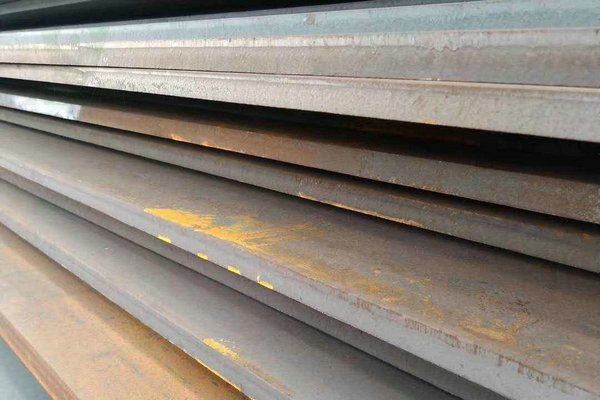
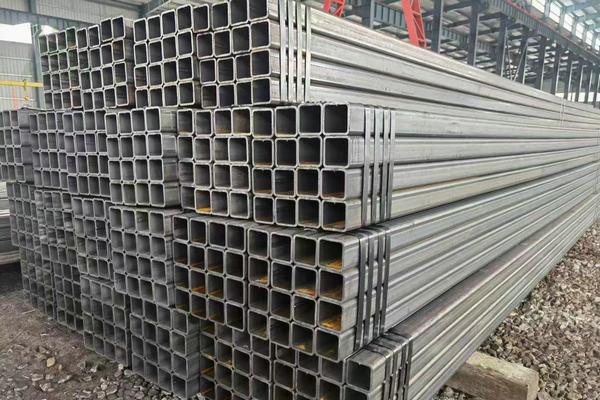
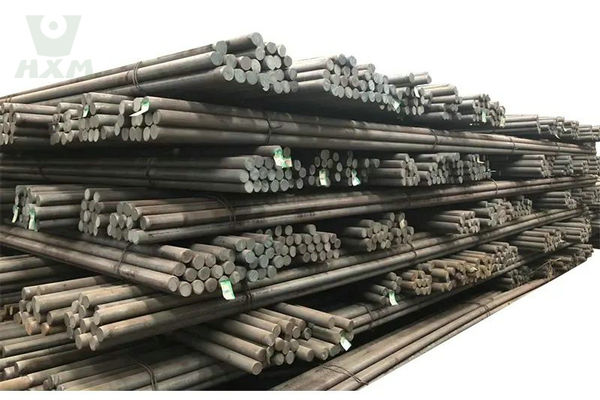
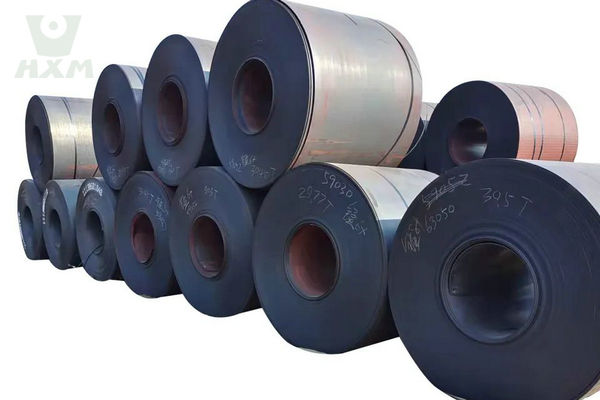
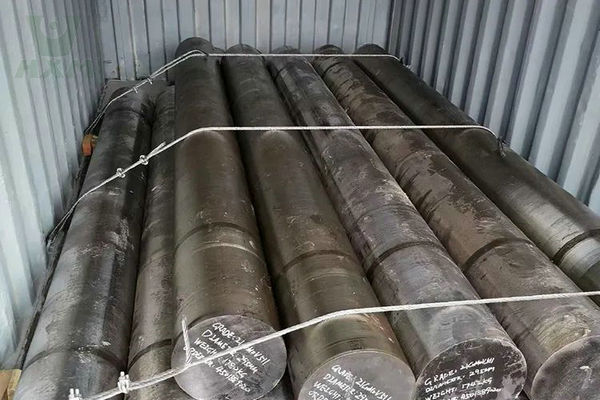
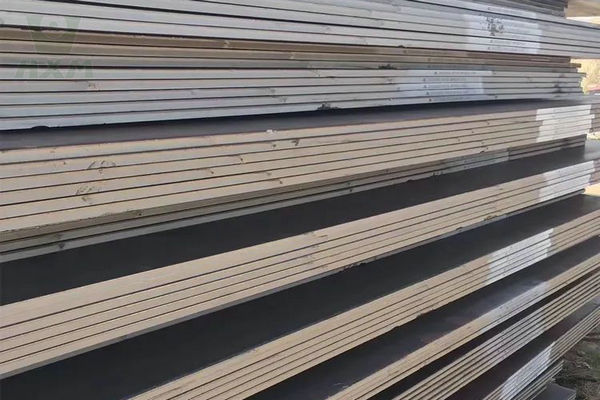
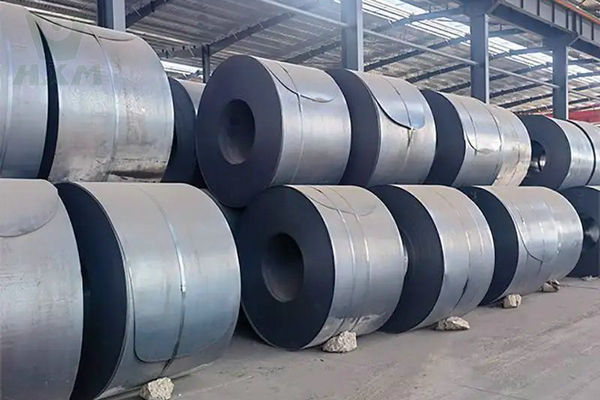
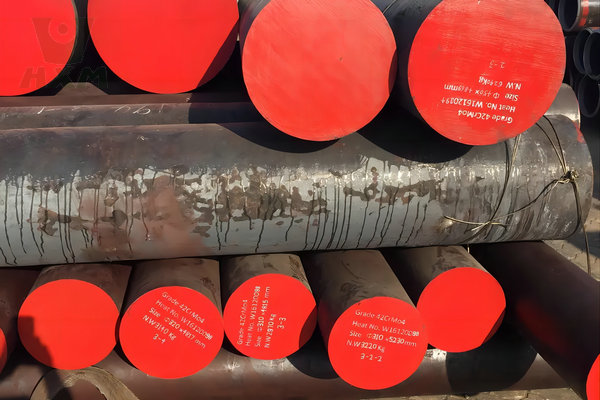
Forged carbon steel is one of the most widely used engineering materials due to its excellent combination of strength, ductility, and toughness. It plays a vital role in industries such as automotive, machinery, oil & gas, and construction. At Huaxiao Metal, we supply a comprehensive range of carbon steel products, including forged and rolled steel plates, bars, and pipes, tailored to meet your project requirements.
In this article, we’ll explore what forged carbon steel is, how it’s made, its key properties, and its typical industrial applications. By the end, you’ll understand why forged carbon steel remains a top choice for engineers and manufacturers worldwide.
What Is Forged Carbon Steel?
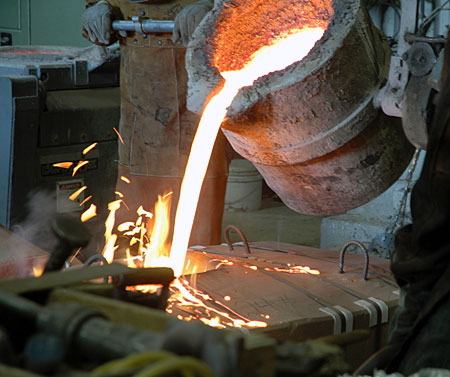
Forged carbon steel is a combination of two basic metallurgical components: carbon steel and forgings. Carbon steel is a broad term that applies to steels of all compositions, excluding stainless steel. Forging is a metal-forming process that uses repeated force to compress a heated billet of metal into the desired final shape.
Forging is often used to produce finished parts due to the lack of defects inherent in steel structures by other manufacturing methods, making parts well-suited for high-temperature and high-pressure applications. Some common forged carbon steel parts include machinery, valves, and piping system components. Hand forging is done by blacksmiths.
Carbon steel is a generic designator for a family of steel alloys primarily alloyed with carbon, along with varying amounts of other elements such as tungsten, cobalt, and chromium. Typically when defining carbon steels, no minimum or maximum concentrations are quoted for these elements, although stainless steels are generally accepted to be ineligible.
In other words, the concentration of primary carbon and secondary alloying elements can be adjusted to suit the intended end use of the steel. For example, increasing the carbon content in an alloy increases its hardness while reducing its ductility. Forging is one of the oldest methods of metal forming, which involves repeated human or powered shocks to force red-hot steel into a certain shape.
The metal is heated in a forge and then hammered in a forming jig or between the two halves of a complete device to achieve its final shape. Hand blacksmithing is performed by a smaller hand-held blacksmith with hammers, pliers, and chisels, and the hammering is usually performed on an anvil. Forged carbon steel produced by power forges is hammered with a large stroke hammer capable of exerting a great deal of pressure when striking hot metal in some cases.
Forged carbon steel parts are generally considered superior to parts made by other methods such as casting. , this is because the hammering of the metal during the forming process eliminates most microscopic crystallographic defects such as bubbles and cracks. This structural integrity makes forged carbon steel parts stronger and more suitable for applications involving high pressure and high temperature. This strength makes these forgings ideal for oil and gas piping systems, mechanical parts, and the internal mechanisms of high-pressure valves.
Definition summary:
Forged carbon steel = Carbon steel + Forging process (pressure & heat) → Higher strength, better toughness, improved durability.
Huaxiao Metal provides forged carbon steel in various grades, including:
AISI 1020, 1040, 1045, 1060
ASTM A105 (for flanges and fittings)
EN8, EN9, C45, and more
Composition of Forged Carbon Steel
The composition of carbon steel depends on its carbon content and alloying elements. Generally, forged carbon steel is classified into three categories:
| Type | Carbon Content | Example Grades | Typical Uses |
|---|---|---|---|
| Low Carbon Steel | <0.25% | AISI 1020, A36 | Bolts, shafts, plates |
| Medium Carbon Steel | 0.25–0.60% | 1040, 1045 | Gears, axles, couplings |
| High Carbon Steel | 0.60–1.0% | 1060, 1095 | Springs, cutting tools |
Huaxiao Metal’s forged carbon steel products are carefully controlled to meet ASTM, EN, JIS, and DIN standards, ensuring uniform performance and reliability.
Forging Process of Carbon Steel
The forging process is a key factor determining the steel’s performance. It generally includes several steps:
(1) Heating
The carbon steel billet or ingot is heated to a temperature range between 1100–1250°C to achieve plasticity without melting.
(2) Forging
The heated metal is subjected to compressive forces using forging hammers or presses. This step eliminates internal defects and aligns the grain flow with the shape of the part.
(3) Heat Treatment
After forging, the steel is often normalized, quenched, and tempered to achieve the desired hardness, strength, and toughness.
(4) Finishing and Inspection
Final machining, surface treatment, and non-destructive testing (NDT) such as ultrasonic inspection ensure high-quality forged components.
At Huaxiao Metal, our advanced forging facilities and strict quality control enable us to deliver precision-forged carbon steel parts that meet demanding industrial standards.
Forged Carbon steel to determine the initial forging temperature
Carbon steel forging should ensure that the bad material does not overburn during the heating process, and at the same time try to avoid overheating. Therefore, the initial forging temperature of carbon steel should be 150 ~ 250 lower than the solidus. The initial forging temperature of carbon steel decreases with the increase in carbon content.
Alloy steel tends to decrease more with the increase in carbon content. When determining the final forging temperature, it is necessary to ensure that the metal has sufficient plasticity before final forging, and it is also necessary to ensure that the forging can obtain good microstructure and properties.
Therefore, the final forging temperature should not be too high. If the temperature is too high, the grains of the forging will be coarse, and abnormal structures will appear when cooling after forging. On the contrary, if the temperature is too low, it will not only lead to work hardening in the later stage of forging, and may cause forging cracks, but also make the forging part in a critical deformation state, forming coarse grains.
Therefore, usually, the final forging temperature of steel should be slightly higher than its recrystallization temperature. According to the above principles, the final forging temperature of carbon steel is about 25 to 75 above the line. The final forging temperature of medium carbon steel is located in the austenite single-phase region, the structure is uniform, and the plasticity is good, which fully meets the requirements of final forging.
Although the final forging temperature of low-carbon steel is in the dual-phase region of austenite and ferrite, it will not bring difficulties to forging because of the good plasticity of the two phases. The final forging temperature of high-carbon steel is in the dual-phase region of austenite and cementite. When forging in this temperature range, the precipitated cementite can be broken into dispersion by means of plastic deformation. Final forging at a certain temperature will cause reticular cementite to precipitate along the grain boundaries after forging.
Forged Carbon Steel vs Cast Carbon Steel
| Feature | Forged Carbon Steel | Cast Carbon Steel |
|---|---|---|
| Production Method | Compressed under pressure | Poured into molds |
| Grain Structure | Refined and aligned | Random and coarse |
| Strength | Higher | Lower |
| Ductility | Better | Moderate |
| Internal Defects | Minimal | Possible porosity |
| Cost | Slightly higher | Lower for large shapes |
If your application requires high mechanical strength, fatigue resistance, and reliability, forged carbon steel is the superior choice.
Common Applications of Forged Carbon Steel
Forged carbon steel components are used across multiple industries:
Automotive Industry
Crankshafts, connecting rods, gears, and axles
Offers excellent wear resistance and mechanical reliability.
Oil & Gas Industry
Flanges, fittings, and valves made from ASTM A105
Suitable for high-pressure environments.
Heavy Machinery
Shafts, rollers, and couplings are used in construction and mining equipment.
Power Generation
Turbine shafts, rotors, and pressure vessels.
Construction & Infrastructure
Bolts, joints, and load-bearing frames that demand structural integrity.
At Huaxiao Metal, we supply forged carbon steel materials that meet your specific design and engineering requirements — from custom sizes to heat-treated conditions.
Advantages of Choosing Huaxiao Metal as Your Supplier
Huaxiao Metal is not just a supplier — we are your partner in steel solutions. Here’s why clients worldwide trust us:
Comprehensive Product Range: Plates, bars, pipes, and forged components.
Global Standards Compliance: ASTM, EN, JIS, DIN, GB, ISO.
Custom Processing: Cutting, heat treatment, surface finishing.
Competitive Carbon Steel Prices: Factory-direct sales with quick delivery.
Reliable Logistics: Professional export packaging and worldwide shipping.
Contact Huaxiao Metal today to get the latest forged carbon steel prices or request a custom quote for your project!
How to Choose the Right Forged Carbon Steel Grade
Choosing the correct grade depends on your mechanical requirements, working environment, and cost targets.
| Requirement | Recommended Grade | Description |
|---|---|---|
| High strength, general use | 1045 | Balanced performance and affordability |
| Pressure parts, flanges | A105 | High toughness, common in oil & gas |
| High wear resistance | 1060 | Used for springs and machine parts |
| Low-cost structural parts | A36 | Easy to machine and weld |
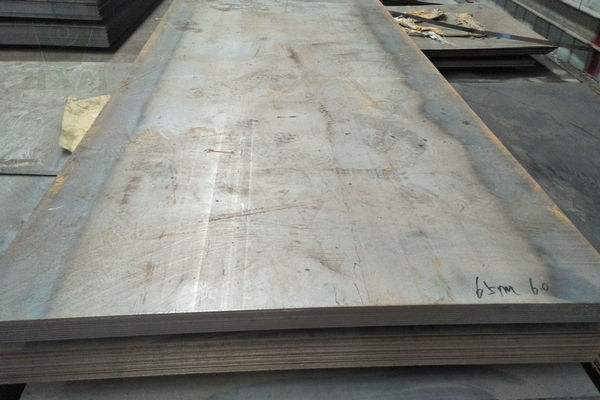
Huaxiao Metal’s technical team can assist you in selecting the most suitable carbon steel grade for your specific needs.

FAQ
What is the fundamental difference between forged carbon steel and ordinary carbon steel?
The fundamental difference lies in the manufacturing process and final properties. Ordinary carbon steel usually refers to materials that have not undergone plastic deformation (such as castings or ordinary rolled profiles), and its grain structure may be uneven. Forged carbon steel is carbon steel that has been forged under high pressure, resulting in continuous and dense internal grain lines. This leads to significantly higher strength, toughness, fatigue life, and reliability compared to ordinary carbon steel, making it particularly suitable for critical, high-stress applications.
Why is forged carbon steel more suitable than cast steel for high-pressure valves and flanges?
Because the structural integrity of the material is crucial under high pressure. Cast steel parts are prone to micropores and porosity, which can easily become stress concentration points under high pressure, leading to leaks or cracks. The forging process eliminates these defects through high pressure, ensuring a highly dense internal structure and providing unparalleled sealing reliability and safety performance.
What are some common forged carbon steel grades offered by Huaxiao Metal?
Huaxiao Metal offers a wide range of forged carbon steel grades, including but not limited to ASTM A105 for pressure piping and valves, various medium and high carbon steel series (such as 1045, 4140, etc.) for mechanical components, and specific custom alloys. Custom heat treatment services are available for all products.
What are some common forged carbon steel grades offered by Huaxiao Metal?
Huaxiao Metal offers a wide range of forged carbon steel grades, including but not limited to ASTM A105 for pressure piping and valves, various medium and high carbon steel series (such as 1045, 4140, etc.) for mechanical components, and specific custom alloys. Custom heat treatment services are available for all products.
Is forged carbon steel prone to rust? How can it be protected?
Forged carbon steel is essentially still carbon steel and is as prone to rust (corrosion) as ordinary carbon steel, especially in humid environments. To prevent corrosion, surface treatments are usually required, such as painting, galvanizing, nickel plating, or anti-corrosion coatings commonly used in the oil and gas industry. When selecting a protection solution, please consult our technical team to match your specific operating conditions.
How to verify the quality of forgings when purchasing them?
When purchasing, you should request the following quality documents and test reports from the supplier:
Chemical composition analysis report.
Mechanical property test reports (such as tensile strength, yield strength, impact toughness).
For critical components, non-destructive testing (NDT) reports, such as ultrasonic testing (UT), must be provided to verify that there are no internal defects.
What surface finishes are available for forged carbon steel?
Common finishes include black oxide, galvanized, machined, and polished surfaces depending on the application.
What standards does Huaxiao Metal follow for forged carbon steel?
We comply with ASTM A105, A350 LF2, EN 10083, DIN 17200, and other relevant international standards.
In Conclusion
Forged carbon steel combines high strength, durability, and affordability, making it an indispensable material in modern industries.
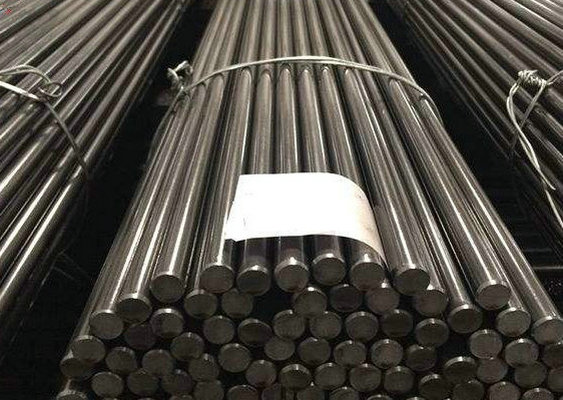
Whether you need forged bars, plates, or custom parts, Huaxiao Metal offers premium-quality carbon steel materials that meet your toughest engineering challenges.
Visit: Huaxiao Metal – Carbon Steel Products
Inquire Now: Get the latest forged carbon steel prices and specifications for your next project!