[email protected]

24/7 Customer Support

+86-13761906384

24/7 Customer Support

Sheet Metal Gauge Chart (Complete Thickness Guide for Steel, Stainless & Aluminum)

measure 16 gauge steel thickness, Sheet Metal Gauge Tool

Why Sheet Metal Gauge Matters?

When it comes to sheet metal fabrication, one of the most common sources of confusion is the gauge system. Engineers, manufacturers, and buyers often ask: “What thickness is 18 gauge steel?” or “Is 20 gauge stainless steel the same as 20 gauge aluminum?” The answer is not always straightforward, because the gauge system differs depending on the type of metal.

To help you navigate these differences, Huaxiao Metal has prepared this comprehensive Sheet Metal Gauge Chart, covering multiple materials including stainless steel, mild steel, aluminum, galvanized steel, brass, and copper. This guide explains how gauge works, provides clear charts with conversions to millimeters and inches, and highlights practical applications across industries.

What Is a Sheet Metal Gauge?

Sheet metal gauge is a standardized system used to define the thickness of metal sheets. However, unlike millimeters or inches, gauge numbers are not fixed units and vary depending on the material type. For example:

  • 18 gauge steel18 gauge aluminum.

  • 16 gauge stainless steel is thicker than 16 gauge aluminum
  • In most cases, the higher the gauge number, the thinner the sheet.

    • Lower gauge number = thicker metal
    • Higher gauge number = thinner metal

This is why engineers always use a material-specific gauge chart instead of a universal conversion.

Common Gauge Standards

Several gauge standards exist worldwide, the most widely used being:

  • Manufacturers’ Standard Gage (MSG) – for steel and most ferrous metals.

  • Brown & Sharpe (AWG) – for non-ferrous metals like aluminum, brass, and copper.

  • Birmingham Wire Gauge (BWG) – commonly used in wire and tubing applications.

Understanding which standard applies is critical when ordering or designing with sheet metal.

Sheet Metal Gauge Conversion Charts

Below you will find gauge-to-thickness conversion charts for different materials. Each chart includes values in inches and millimeters, and, where applicable, approximate weight per square foot for easier calculation.

Carbon Steel Sheet Metal Gauge Chart

GaugeThickness (mm)Thickness (inch)
103.420.134
113.050.120
122.660.105
132.340.092
141.900.075
151.650.065
161.520.060
171.270.050
181.210.048
191.020.040
200.910.036
210.760.030
220.710.028
230.640.025
240.610.024

Stainless Steel Sheet Metal Gauge Chart

GaugeThickness (mm)Thickness (inch)
103.570.141
113.230.127
122.780.1094
132.410.095
141.980.078
151.780.070
161.590.0625
171.400.055
181.270.050
191.090.043
200.950.0375
210.830.033
220.760.030
230.660.026
240.610.024

Aluminum Gauge Chart

GaugeThickness (mm)Thickness (inch)
102.590.1019
112.3050.0907
122.050.0808
141.630.064
151.450.057
161.290.051
181.020.04
200.810.032
210.710.028
220.640.025
230.570.022
240.510.02

Pro Tip: For HVAC ductwork, 20–24 gauge steel is common. For automotive body panels, 18–20 gauge steel or stainless steel is typically used.


Galvanized Steel Gauge Chart

Galvanized steel is widely used for roofing, ductwork, outdoor enclosures, and structural applications. Its gauge system is slightly different due to the zinc coating.

GaugeThickness (inches)Thickness (mm)
100.1382 in3.510 mm
120.1084 in2.753 mm
140.0785 in1.994 mm
160.0635 in1.613 mm
180.0516 in1.311 mm
200.0396 in1.006 mm
220.0316 in0.802 mm
240.0250 in0.635 mm
260.0187 in0.475 mm

Brass Gauge Chart

Brass sheets are popular in decorative, musical, and architectural applications.

GaugeThickness (inches)Thickness (mm)
100.1020 in2.591 mm
120.0810 in2.057 mm
140.0640 in1.626 mm
160.0510 in1.295 mm
180.0400 in1.016 mm
200.0320 in0.813 mm
220.0250 in0.635 mm
240.0200 in0.508 mm
260.0160 in0.406 mm

Copper Gauge Chart

Copper is valued for its conductivity and corrosion resistance, used in roofing, electronics, and HVAC.

GaugeThickness (inches)Thickness (mm)
100.1340 in3.404 mm
120.1090 in2.769 mm
140.0830 in2.108 mm
160.0650 in1.651 mm
180.0490 in1.245 mm
200.0350 in0.889 mm
220.0280 in0.711 mm
240.0220 in0.559 mm
260.0180 in0.457 mm
Zinc Non Ferrous Metals, galvanized sheet metal

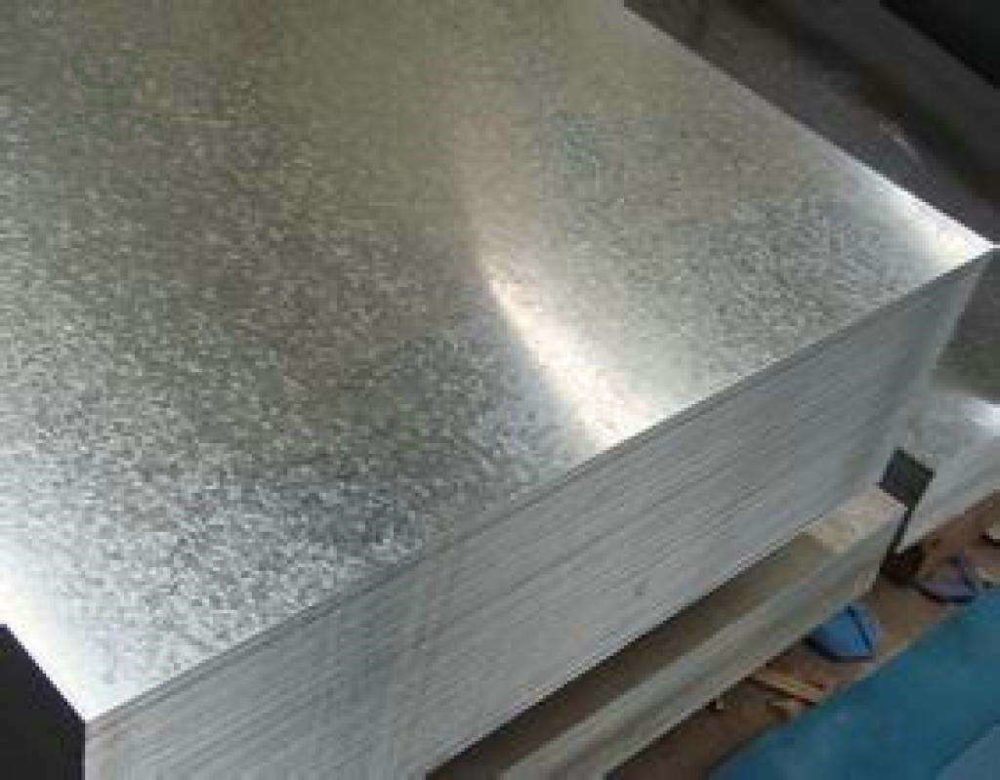
Galvanized Sheet Metal

High-Quality Galvanized Sheet Metal & Zinc Coated Steel Coils – Huaxiao Metal Looking for high-quality galvanized sheet metal sheets and coils? Huaxiao Metal is your
Read More »
Copper Coil Stock

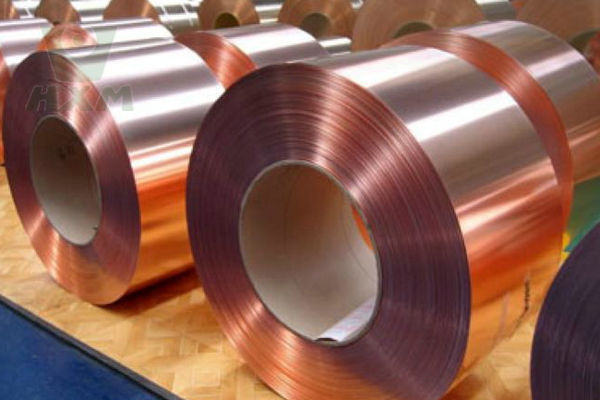
Copper Metal

Copper Metal Suppliers From China The company is one of those that produce, process, and sell copper rods, copper tubes, and copper metal suppliers in
Read More »
Cold Rolled Stainless Steel Sheet Suppliers

Stainless Steel

Stainless Steel Suppliers From China Huaxiao Metal is one of the leading stainless steel suppliers & manufacturers in China, we can provide stainless steel plates,
Read More »
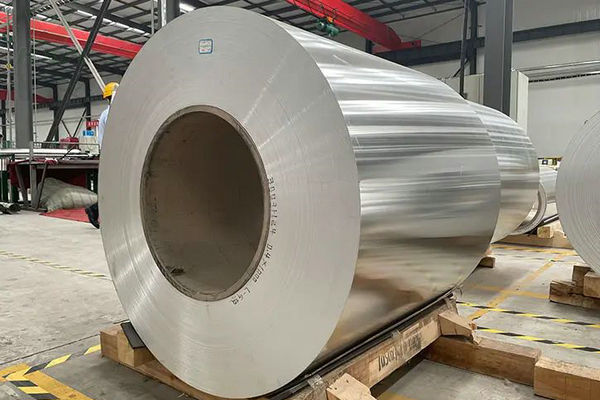
Aluminum Coil Suppliers, Aluminum Coils, Aluminum Coil Manufacturer, Aluminum Coil Factory, 16 Gauge Aluminum

Aluminium Metal

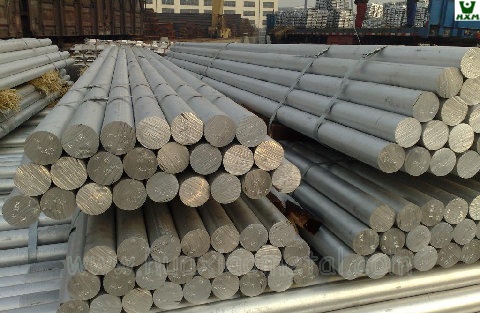
Aluminium Metal Suppliers | Manufacturers Trusted aluminum solutions for your business needs Reliable delivery of high-quality aluminum sheet/coil/strip/tube/wire/bar Get A Quote Looking for a reliable
Read More »
carbon steel bar suppliers and manufacturers

Carbon Steel

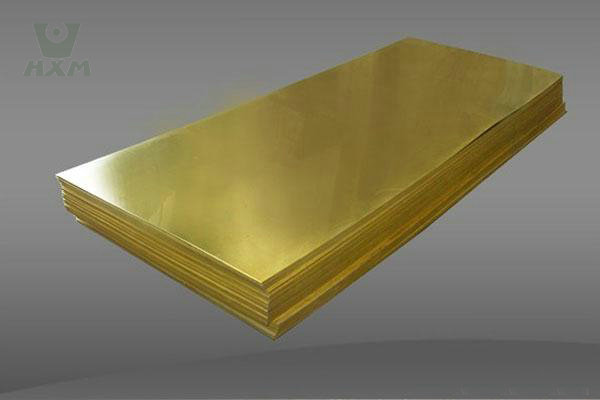
Carbon Steel Bar/Wire Rod Huaxiao offers different sizes and grades of carbon steel bars and wire rods. Carbon Steel Bar/Wire Prices Available Specification of Carbon
Read More »

Online Thickness Tools:

Some manufacturers offer online calculators or conversion charts for converting gauge dimensions to millimeters/inches. Below is our online conversion chart to see which gauges correspond to which thicknesses.

Metal Gauge to Thickness Converter


Why Gauge Differs by Material

Gauge is based on weight-per-area standards, not physical thickness.

That means:

Steel, stainless steel, aluminum use different standards
Same gauge number → different thickness

👉 This is the most important concept buyers misunderstand.

How to Choose the Right Sheet Metal Gauge

Please note: Gauge, used to indicate the thickness of sheet metal, is not part of the imperial or metric system, and its value does not directly correspond to a specific dimension in inches or millimeters. Therefore, a gauge conversion table is required to determine the actual thickness. For example, according to the conversion table, 18-gauge steel is 0.0478 inches (approximately 1.214 mm) thick, but the number “18” itself does not reflect any actual unit of measurement.

It is important to note that different materials use different gauge systems. For example, 18-gauge stainless steel is 0.0478 inches thick, while aluminum is 0.0403 inches thick. This discrepancy means that you must strictly refer to the material’s gauge table to ensure that the thickness meets your design requirements.

Practical applications of specification sheets include:

  • Engineering Design: Selecting the appropriate thickness based on strength and weight requirements
    • Construction / roofing: 16–24 gauge
    • HVAC ducts: 18–26 gauge
    • Automotive panels: 18–20 gauge
    • Heavy structural parts: 10–14 gauge
  • Manufacturing: Ensuring compatibility between materials and processing equipment (e.g., bending and welding equipment)

  • Procurement: Accurately converting specifications to millimeters/inches for precise ordering

Finally, it’s important to confirm that the specification sheet used matches the material type before ordering to avoid dimensional deviations due to differing standards.

Buying Risk Warning

Choosing the wrong gauge may lead to:

  • structural failure
  • welding deformation
  • cost overrun
  • assembly mismatch

👉 Always confirm material + thickness before ordering.

Need help choosing the right sheet metal gauge? Contact Huaxiao Metal for expert advice

History of the Gauge System

The gauge system has a long history in the metalworking industry. Its origins date back to the days of the British wire industry, even before the widespread adoption of the modern imperial and metric measurement systems. Initially, the system was used to describe the diameter of wire, and later expanded to specify the thickness of sheet metal.

Despite the availability of more precise units of measurement today, such as millimeters or inches, the gauge system remains widely used in many industries with deep traditions. Its enduring appeal stems from its historical continuity and its status as a universal and efficient method for specifying thickness within the industry.

Thus, while the gauge value doesn’t directly correspond to a standard unit, it remains a practical and widely understood method for specifying thickness, particularly in manufacturing environments where convention and experience are paramount.

Why Gauge System is Still Used

Even though metric units are more precise, gauge is still widely used in:

  • Construction & building materials
  • HVAC ducting systems
  • Automotive body panels
  • Industrial fabrication

Reason: Gauge provides a fast “industry shorthand” for thickness selection.

Applications of Sheet Metal

Sheet metal is widely used in:

  • Construction: roofing sheets, wall cladding, ductwork.

  • Automotive: body panels, chassis components.

  • Appliances & Kitchenware: sinks, ovens, refrigerators.

  • Aerospace & Transportation: lightweight aluminum panels.

  • Industrial Equipment: enclosures, machine guards, housings.

Why Choose Huaxiao Metal

At Huaxiao Metal, we supply:

  • Stainless steel sheet & coil
  • Carbon steel sheet
  • Aluminum sheet
  • Custom thickness cutting service

We support:

  • OEM / bulk order
  • international shipping
  • custom gauge-to-mm conversion support

👉 Contact us for accurate thickness selection and quotation.

FAQ – Sheet Metal Gauge

No. 18 gauge steel is 1.21 mm thick, while 18 gauge aluminum is approximately 1.02 mm.

14 gauge is thicker and stronger than 16 gauge.

Usually 24 gauge galvanized steel is standard for roofing due to its durability.

Yes, Huaxiao Metal offers custom rolling and cutting services to match your project needs.

Millimeters (or inches) are more precise, as gauge is a relative numbering system.

Gauge systems vary by material and standard. Steel, stainless steel, and aluminum use different charts. Always refer to conversion tables.

No. Each material has its own gauge standard, so always refer to the correct chart.

Yes. For example, the U.S. Manufacturers’ Standard Gage may differ from the UK Birmingham Gage.

HVAC ducts: 20–24 gauge steel; automotive panels: 18–20 gauge steel or stainless.

In Conclusion

Understanding the sheet metal gauge system is essential for accurate material selection, cost estimation, and manufacturing. By using a reliable Sheet Metal Gauge Chart, you can avoid costly mistakes, ensure proper fit, and improve efficiency in your projects.

At Huaxiao Metal, we supply a wide range of sheet metal products, including stainless steel, carbon steel, aluminum, galvanized steel, copper, and brass in multiple thicknesses. Whether you are in construction, automotive, aerospace, or industrial manufacturing, our team can provide high-quality materials, precise cutting, and global export services.

Looking for the right sheet metal thickness for your project? Contact Huaxiao Metal today for technical support, pricing, and fast delivery.

Share:

Facebook
Twitter
Pinterest
LinkedIn

Contact Us For Metal Prices

Table of Contents

On Key

Related Posts

Welcome