
When engineers, fabricators, or buyers look for versatile sheet metal for construction, automotive, kitchen equipment, and industrial manufacturing, 16 gauge steel is often the perfect choice. Many people search online with questions like how thick is 16 gauge steel, what is the thickness of 16 gauge steel sheet, or how strong is 16 gauge metal?
This comprehensive guide from Huaxiao Metal, a global supplier of stainless steel, carbon steel, aluminum, and coated products, covers everything you need to know about 16 gauge steel thickness, properties, applications, pricing, and supply options. By the end, you will not only understand the technical details but also know why choosing the right supplier matters for your project success.
What is 16 Gauge Steel?
The word “gauge” refers to the thickness measurement system commonly used in the sheet metal industry. Unlike millimeters or inches, gauge numbers work inversely:
Higher gauge number → thinner metal.
Lower gauge number → thicker metal.
16 gauge steel is considered medium thickness. It provides a balance between strength and workability, which is why it is widely used in:
Construction structures and building components.
Kitchen sinks, appliances, and commercial equipment.
Automotive panels and exhaust parts.
Furniture and architectural panels.

16 Gauge Steel Thickness Explained
One of the most frequent questions customers ask is: “How thick is 16 gauge steel?” The answer depends on the type of metal because gauge thickness standards vary between carbon steel, stainless steel, galvanized steel, and aluminum.
Standard 16 Gauge Steel Thickness
| Material Type | Thickness (inches) | Thickness (mm) |
|---|---|---|
| Stainless Steel | 0.0625 in | 1.59 mm |
| Carbon Steel | 0.0598 in | 1.52 mm |
| Galvanized Steel | 0.0635 in | 1.61 mm |
| Aluminum (16 ga) | 0.0508 in | 1.29 mm |
Therefore, when someone searches for “what is the thickness of 16 gauge steel”, the precise measurement depends on the metal category.
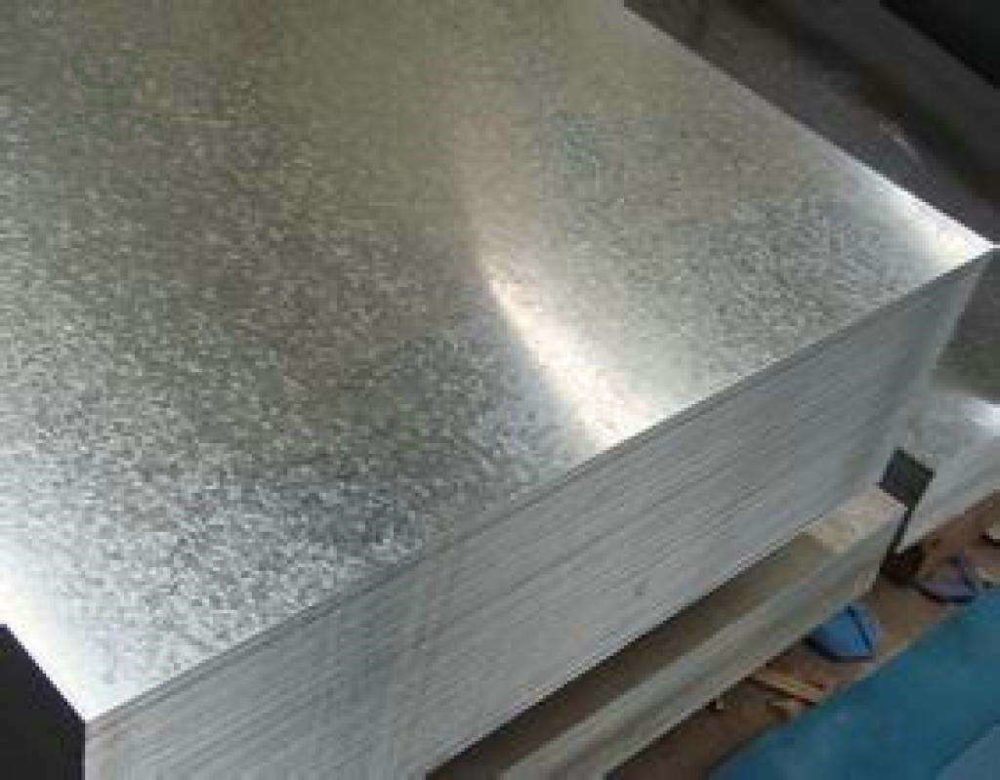
High-Quality Galvanized Sheet Metal & Zinc Coated Steel Coils – Huaxiao Metal Looking for high-quality galvanized sheet metal sheets and coils? Huaxiao Metal is your
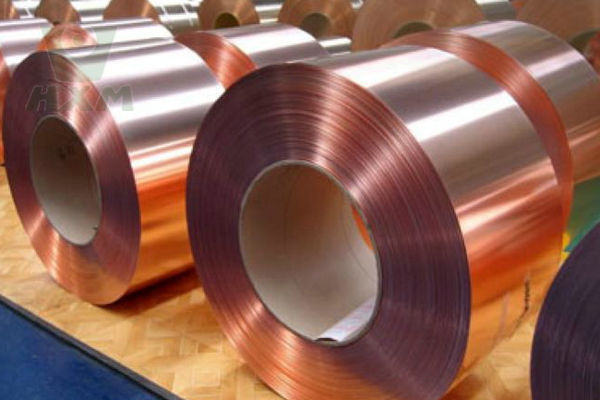
Copper Metal Suppliers From China The company is one of those that produce, process, and sell copper rods, copper tubes, and copper metal suppliers in
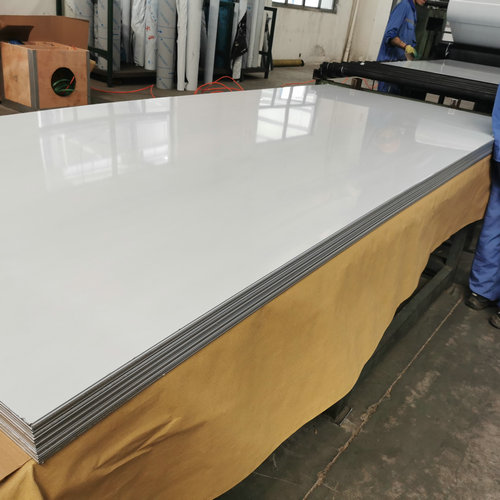
Stainless Steel Suppliers From China Huaxiao Metal is one of the leading stainless steel suppliers & manufacturers in China, we can provide stainless steel plates,
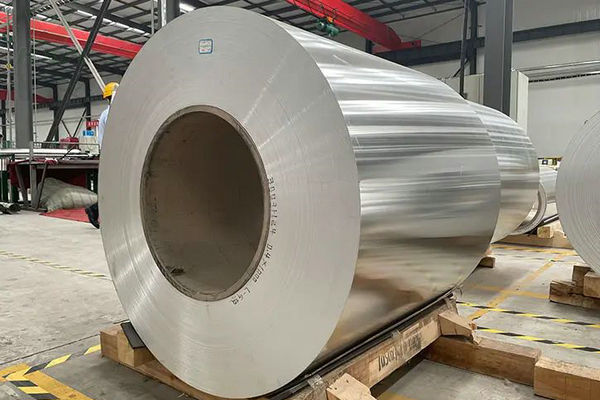
Aluminium Metal Suppliers | Manufacturers Trusted aluminum solutions for your business needs Reliable delivery of high-quality aluminum sheet/coil/strip/tube/wire/bar Get A Quote Looking for a reliable
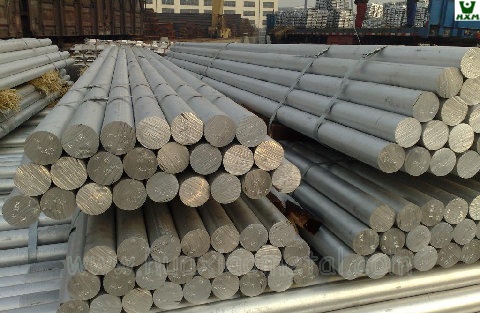
Carbon Steel Bar/Wire Rod Huaxiao offers different sizes and grades of carbon steel bars and wire rods. Carbon Steel Bar/Wire Prices Available Specification of Carbon
Different Material Categories of 16 Gauge Steel
1. 16 Gauge Stainless Steel Sheet
Typically made from 304 or 316 stainless steel.
Excellent corrosion resistance, making it ideal for kitchen sinks, food processing equipment, and architectural panels.
Thickness: ~1.588 mm (0.0625 inches).
Higher cost but long lifespan.
2. 16 Gauge Carbon Steel Sheet
Strong, durable, and cost-effective.
Common in construction frameworks, automotive body parts, and machinery components.
Requires coating (painting, powder coating, or galvanizing) to prevent rust.
3. 16 Gauge Galvanized Steel Sheet
Carbon steel coated with zinc for extra corrosion resistance.
Thickness slightly higher (~1.61 mm) due to the zinc layer.
Used in outdoor applications: roofing, ductwork, enclosures.
4. 16 Gauge Aluminum Sheet
Lightweight compared to steel (1.29 mm thick).
Used in transportation, aerospace, and decorative panels.
Not as strong as steel but excellent for weight-sensitive projects.
Mechanical Properties and International Standards
16 gauge steel sheets are manufactured according to international standards like ASTM, EN, DIN, and JIS. Typical mechanical properties include:
Tensile Strength: 270–620 MPa depending on alloy.
Yield Strength: 170–450 MPa.
Hardness: Varies by material type (Brinell 120–200 HB for carbon steel).
Density: 7.85 g/cm³ for steel, 2.7 g/cm³ for aluminum.
Relevant Standards
ASTM A240 / A480 – Stainless steel sheets and plates.
ASTM A653 – Galvanized steel sheets.
EN 10088 – Stainless steel standards in Europe.
JIS G4304 – Japanese stainless steel sheets.
Applications of 16 Gauge Steel Sheets
1. Construction & Architecture
Wall panels, roofing supports, framing systems.
Decorative panels for building facades.
HVAC ductwork and enclosures.
2. Automotive Manufacturing
Body panels, chassis components.
Exhaust systems requiring durability and heat resistance.
Reinforcement parts.
3. Kitchen Equipment & Appliances
Commercial kitchen sinks, countertops, refrigerators.
Ovens and industrial cooking units.
Restaurant worktables.
4. Furniture & Interior Design
Cabinets, desks, heavy-duty shelves.
Stainless steel decorative panels.
Modern industrial-style furniture.
5. Industrial Equipment
Machine enclosures and protective covers.
Fabricated parts for heavy-duty machinery.
Storage and transportation containers.

16 Gauge Steel vs Other Gauges
| Gauge | Thickness (mm) | Common Use Cases |
|---|---|---|
| 14 ga | 1.90 mm | Heavy structural work, load-bearing components. |
| 16 ga | 1.52 mm | Balanced applications, construction, furniture, and appliances. |
| 18 ga | 1.27 mm | Lightweight furniture, automotive trims. |
| 20 ga | 0.91 mm | Thin enclosures, decorative parts, light ductwork. |
16 vs 18 Gauge → 16 is thicker and stronger, used for heavy-duty applications.
16 vs 14 Gauge → 14 is stronger but more expensive and harder to fabricate.
16 vs 20 Gauge → 20 is much lighter, mainly used where weight reduction matters.

18 Gauge Steel – Everything You Need to Know
When it comes to sheet metal, 18 gauge steel is one of the most widely used thicknesses across industries like construction, automotive, furniture, and manufacturing.

14 Gauge Steel – Everything You Need to Know
In the world of metal fabrication and engineering, 14 gauge steel is a household name. Its exceptional strength, workability, and cost-effectiveness make it an indispensable
Fabrication and Processing of 16 Gauge Steel
Cutting
Laser cutting for precision.
Plasma cutting for thick and large sheets.
Shearing for cost-effective mass production.
Bending & Forming
Easily formed into structural components.
Used in press brake operations for angles and profiles.
Welding
Compatible with MIG, TIG, and spot welding.
Stainless steel requires shielding gases for corrosion resistance.
Surface Finishes
2B Finish – Smooth and reflective, common in kitchen equipment.
BA Finish – Bright annealed, highly reflective.
Galvanized Coating – Zinc protection against rust.
Brushed Finish – Aesthetic appeal for furniture and design.
Measuring 16 Gauge Thickness
16 gauge steel refers to a standardized sheet thickness, which is approximately 1.5 mm (0.0598 inches) for carbon steel and slightly less for stainless steel depending on the standard. To measure the thickness accurately, you can use the following methods:
Caliper Measurement:
Use a digital or vernier caliper to measure the steel sheet thickness directly.
Ensure the caliper jaws are clean and apply gentle pressure to avoid compressing the metal.
Micrometer Measurement:
For higher precision, a micrometer can measure thickness to the nearest 0.01 mm.
This method is ideal for stainless steel sinks or sheets where exact gauge is important.
Gauge Chart Reference:
You can use a steel gauge chart to match the sheet thickness to its gauge number.
For example, 16 gauge = 1.5 mm (0.0598 in) for carbon steel, 1.2 mm (0.047 in) for stainless steel.
Online Thickness Tools:
Some manufacturers offer online calculators or conversion charts for converting gauge dimensions to millimeters/inches. Below is our online conversion chart to see which gauges correspond to which thicknesses.
Metal Gauge to Thickness Converter
Why Choose Huaxiao Metal as Your 16 Gauge Steel Supplier?
Huaxiao Metal is an international supplier with a strong reputation in steel, stainless steel, aluminum, and coated products.
Extensive Inventory – Ready stock of 16 gauge steel sheets in stainless, carbon, and galvanized steel.
Customization – Cutting, bending, and surface finishing available.
Competitive Prices – Direct factory supply with cost advantages.
Global Delivery – Export experience to over 80 countries.
Quality Guarantee – Compliance with ASTM, EN, JIS, and DIN standards.
If you are searching for 16 gauge steel suppliers, 16 ga sheet metal stock, or want to know the latest 16 gauge steel price, Huaxiao Metal is your trusted partner.
FAQ – 16 Gauge Metal
How thick is 16 gauge steel?
Standard 16 gauge steel thickness is about 1.52 mm (0.0598 inches) for carbon and stainless steel, and 1.61 mm for galvanized steel.
What is the thickness of 16 gauge steel sheet compared to 18 gauge?
16 gauge sheet (1.52 mm) is thicker and stronger than 18 gauge (1.27 mm).
Can 16 gauge steel be used outdoors?
Yes. For outdoor use, galvanized 16 ga sheet metal or 316 stainless steel is recommended due to superior corrosion resistance.
What is the weight of a 16 gauge steel sheet?
A standard 4×8 ft carbon steel sheet (16 gauge) weighs around 65–70 lbs (29–32 kg) depending on density.
Can 16 gauge steel be powder coated or painted?
Yes. It is commonly powder-coated, painted, or galvanized to improve durability and appearance.
Where can I buy 16 gauge steel sheet at competitive prices?
Contact Huaxiao Metal. We supply 16 ga sheet metal worldwide with reliable packaging and delivery.
Is 16 gauge steel strong enough for structural use?
16 gauge steel has a thickness of approximately 1.5 mm (0.0598 inches), which provides moderate strength. It is suitable for light- to medium-duty structural applications such as framing, automotive parts, or enclosures. However, for heavy structural loads like building beams or large supports, thicker steel (e.g., 10–14 gauge) is usually recommended.
Can you weld 16 gauge steel easily?
Yes, 16 gauge steel can be welded using common methods such as MIG, TIG, or stick welding. Its moderate thickness allows for good heat control, but care should be taken to avoid warping or burn-through, especially with thinner sections. Proper preparation and using the right welding parameters will yield strong joints.
Is 16 gauge steel rust resistant?
The rust resistance depends on the type of steel. Plain carbon steel is prone to rust if not coated or painted. Stainless steel 16 gauge offers excellent corrosion resistance due to its chromium content, making it ideal for sinks, kitchen equipment, and outdoor applications.
Which is better: 16 gauge vs 18 gauge stainless steel sink?
16 gauge stainless steel sinks are thicker (≈1.52 mm) and generally stronger, quieter, and more durable than 18 gauge sinks (≈1.27 mm). They resist dents and heavy use better, making them ideal for kitchens with frequent or heavy usage. 18 gauge sinks are lighter and slightly cheaper but may flex or dent more easily.
In Conclusion
To summarize, 16 gauge steel provides the perfect balance between strength, durability, and workability, making it a top choice for industries such as construction, automotive, kitchen equipment, furniture, and industrial machinery. Whether you are asking how thick is 16 gauge steel, comparing 16 ga sheet metal thickness with other gauges, or looking for 16 gauge steel suppliers, this guide gives you all the details.
At Huaxiao Metal, we supply high-quality 16 gauge steel sheets at competitive prices, with customization options and global delivery.
Contact Huaxiao Metal today to request a free quote, check stock availability, or consult our experts about your 16 gauge steel project needs.