22 gauge steel, a seemingly simple number, is a crucial cornerstone of global metalworking and precision manufacturing. Whether you’re designing the next generation of heating, ventilation, and air conditioning (HVAC) systems or striving for ultimate cost-efficiency in automotive manufacturing, a thorough understanding of 22 gauge steel thickness is crucial to project success. This steel, with its perfect balance of strength, weight, and cost, holds an irreplaceable position in the global supply chain.
As a leading global metal materials supplier, Huaxiao Metal is committed to providing international customers with the most accurate and comprehensive information on 22 gauge metal. We understand that customers need more than just a 22 gauge sheet of metal; we need a solution that guarantees product performance and optimizes production processes.
This article is your ultimate guide to understanding 22 gauge metal thickness. We’ll answer the precise measurement question of “how thick is 22 gauge steel?“, explore the differences in properties of different materials (such as galvanized steel and stainless steel) at 22 gauge, and explore its applications across a wide range of industries. If you are looking for high-quality 22 gauge steel sheet and want to get a competitive quote and global delivery service, please read on. Huaxiao Metal will be your ideal partner.
22 Gauge Steel Basics: Definition, Thickness, and Standards
What is “Gauge“? — An Inverse Standard for Metal Thickness
To understand 22 gauge steel, one must first understand the gauge system. Gauge, or “number,” is an ancient, standardized unit of measurement used to describe the thickness of sheet metal. However, it has a key characteristic: it is inversely proportional.
Core Principle: The smaller the gauge number, the thicker the sheet metal; the larger the gauge number, the thinner the sheet metal.
For example, 10 gauge steel is much thicker than 22 gauge steel. This standard system was originally established in the 19th century to simplify trade and manufacturing, providing a universal identification code for materials of varying weights and thicknesses. For gauges like 22 gauge steel, the gauge system ensured that global buyers and manufacturers maintained a consistent understanding of thickness for trade and production.
Analyzing the Precise 22 Gauge Steel Thickness
When clients ask, “how thick is 22 gauge steel,” the answer must be specified by the metal type, as different metals (such as carbon steel, stainless steel, and aluminum) rely on different gauge charts.
For the most common materials, Carbon Steel and Galvanized Steel, we utilize the U.S. Standard Gauge. Precise data is paramount, as it directly impacts subsequent processing like stamping, bending, and welding.
| Material Type | Thickness (Inches) | Thickness (Millimeters) | Applicable Standard | Keyword Reference |
| Carbon/Galvanized Steel (22 gauge carbon steel/Galvanized Steel) | 0.0299″ | 0.759 mm | U.S. Standard Gauge | how thick is 22 gauge steel in inches |
| Stainless Steel (22 gauge stainless steel) | 0.0312″ | 0.793 mm | U.S. Standard Gauge | what is 22 gauge steel thickness |
| Aluminum (22 gauge aluminum) | 0.0253″ | 0.643 mm | B&S/AWG Gauge | how many mm is 22 gauge |
| Copper Alloys (22 gauge copper alloy) | 0.0285″ | 0.724 mm | B&S/AWG Gauge | 22 gauge metal thickness |
Important Note:
For carbon and galvanized steel, the precise 22 gauge steel thickness is 0.759 mm (approximately 0.0299 inches). This is the standard answer to “what is the thickness of 22 gauge steel.”
It is crucial to note that stainless steel is usually slightly thicker. This is primarily due to historical standards based on weight per square foot, accounting for its differing density.
Aluminum utilizes a different gauge system (B&S/AWG), which is why 22 gauge aluminum is thinner than 22 gauge steel.
Comparing 22 Gauge with Other Common Gauges
The best way to fully understand the thickness positioning of 22 gauge is to compare it with its common neighboring specifications. This helps clients weigh the balance between structural strength and cost optimization.
| Gauge | Carbon Steel Thickness (Inches) | Carbon Steel Thickness (mm) | Relative to 22 Gauge | Keyword Reference |
| 18 Gauge | 0.0478″ | 1.214 mm | Significantly Thicker (Heavy-duty) | is 22 gauge thicker than 18 (Answer: No) |
| 20 Gauge | 0.0359″ | 0.912 mm | Slightly Thicker (Medium-duty, e.g., heavy doors) | is 22 gauge thicker than 20 (Answer: No) |
| 22 Gauge | 0.0299″ | 0.759 mm | The Balance Point | steel 22 gauge thickness |
| 24 Gauge | 0.0239″ | 0.607 mm | Slightly Thinner (Light-duty ducts or trim) | is 24 gauge thicker than 22 (Answer: No) |
| 26 Gauge | 0.0179″ | 0.455 mm | Significantly Thinner |
Key Takeaway: 22 gauge steel falls in the medium-thin range. It provides sufficient strength to support most panels, enclosures, and non-structural frameworks while significantly reducing material weight and cost, making it highly competitive for mass-produced goods.
12 Gauge Steel – Everything You Need to Know
When it comes to industrial materials, 12 gauge metal is one of the most popular thickness options for steel, aluminum, and other alloys.In simple terms,
20 Gauge Steel – Everything You Need to Know
In modern industrial manufacturing, material selection is crucial for determining product performance, cost, and production efficiency. Among various metal materials, 20-gauge steel, due to its
18 Gauge Steel – Everything You Need to Know
When it comes to sheet metal, 18 gauge steel is one of the most widely used thicknesses across industries like construction, automotive, furniture, and manufacturing.
14 Gauge Steel – Everything You Need to Know
In the world of metal fabrication and engineering, 14 gauge steel is a household name. Its exceptional strength, workability, and cost-effectiveness make it an indispensable
16 Gauge Steel – Everything You Need to Know
When engineers, fabricators, or buyers look for versatile sheet metal for construction, automotive, kitchen equipment, and industrial manufacturing, 16 gauge steel is often the perfect
Sheet Metal Gauge Chart (Complete Thickness Guide for Steel, Stainless & Aluminum)
Why Sheet Metal Gauge Matters? When it comes to sheet metal fabrication, one of the most common sources of confusion is the gauge system. Engineers,
Material Types and Properties of 22-Gauge Steel
22 gauge is merely a thickness specification, but actual performance depends on the metal material and surface treatment used. [Huaxiao Metal] offers a variety of 22-gauge sheet metal materials to meet diverse customer needs.
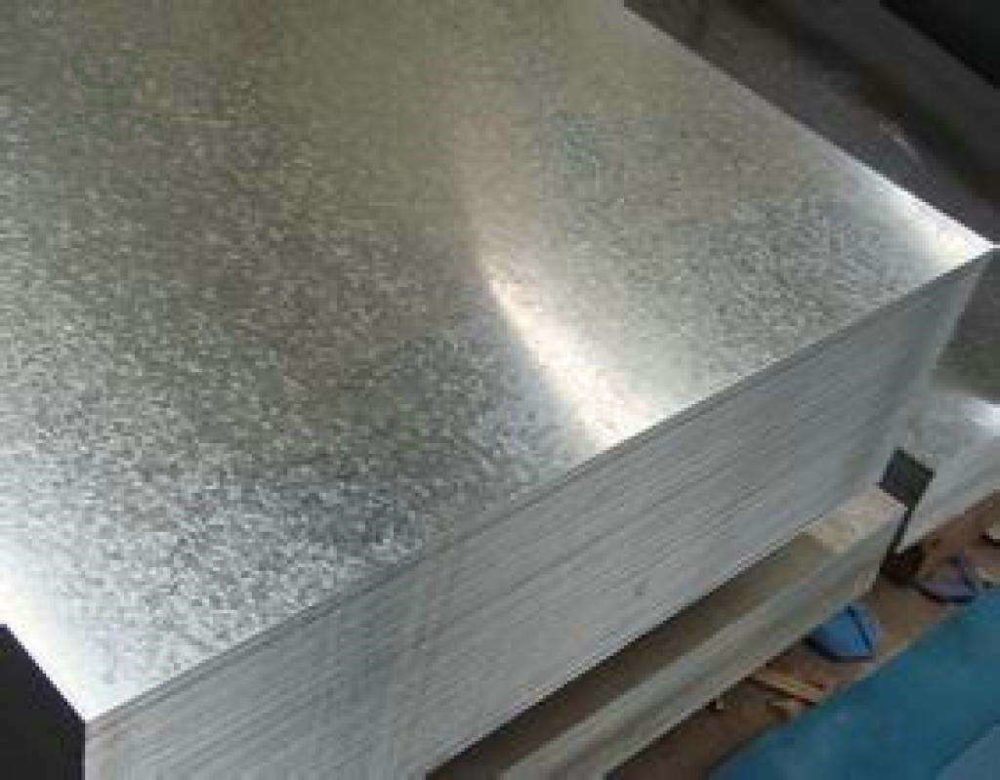
A. 22-Gauge Galvanized Steel
Properties and Applications:
How to Identify: Galvanized steel is a hot-dip galvanizing process that coats standard carbon steel with a zinc layer, providing superior sacrificial anodic protection.
Corrosion Resistance: The zinc layer effectively prevents oxidation and rust, making 22-gauge galvanized steel an ideal choice for outdoor and wet environment applications.
Key Applications: It is a popular gauge for HVAC ducting, roof assemblies, downspouts, and outdoor storage cabinets.
Huaxiao Metal Advantages: Our galvanized steel sheet features a uniform zinc layer thickness (such as Z275 and G90), ensuring maximum weather resistance and service life even in 22-gauge thicknesses.
B. 22 Gauge Stainless Steel
Features and Applications:
High Strength and Hygiene: 22 gauge stainless steel (most commonly grades 304 and 316) is known for its exceptional strength, high-temperature resistance, and resistance to chemical corrosion. A protective layer of chromium oxide gives it its “rustproof” properties.
Key Applications: Commonly used in food processing equipment, medical device housings, kitchen appliance panels, and chemical exposure environments. Even though 22 gauge stainless steel is slightly thicker than its carbon steel counterpart, it remains the preferred choice for applications requiring high aesthetics and long-term durability.
Huaxiao Metal Advantages: We offer customized stainless steel surface finishes (such as BA, 2B, NO.4, and Mirror Finish) to ensure our 22 gauge sheet meets our customers’ stringent aesthetic and functional requirements.
C. 22 Gauge Carbon Steel (Cold Rolled)
Properties and Applications:
Cost-Effectiveness and Processability: 22 gauge carbon steel, typically cold-rolled, offers excellent surface finish, high dimensional accuracy, and ease of deep drawing and bending. It is the lowest-cost 22 gauge metal option.
Key Applications: Primarily used in interior applications requiring subsequent painting or coating, such as furniture manufacturing, storage cabinets, office equipment housings, and general stampings.
Huaxiao Metal Advantages: Our carbon steel coils and sheets offer excellent flatness and weldability, making them ideal for large-scale, high-precision production applications such as automotive parts and appliance panels.
High-Quality Galvanized Sheet Metal & Zinc Coated Steel Coils – Huaxiao Metal Looking for high-quality galvanized sheet metal sheets and coils? Huaxiao Metal is your
Copper Metal Suppliers From China The company is one of those that produce, process, and sell copper rods, copper tubes, and copper metal suppliers in
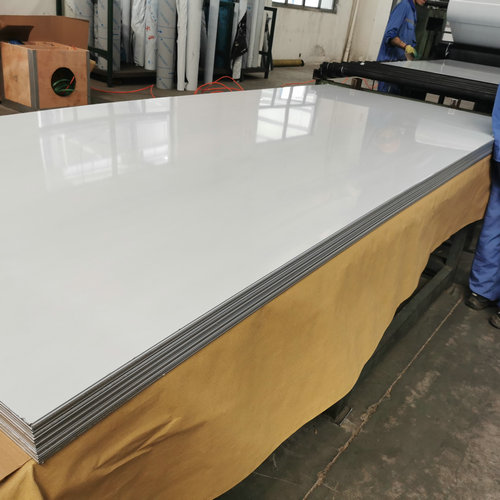
Stainless Steel Suppliers From China Huaxiao Metal is one of the leading stainless steel suppliers & manufacturers in China, we can provide stainless steel plates,
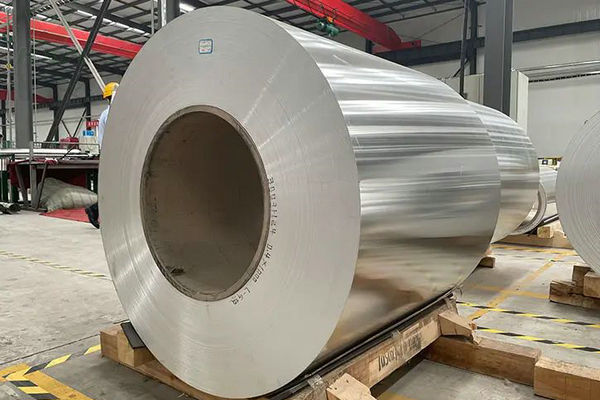
Aluminium Metal Suppliers | Manufacturers Trusted aluminum solutions for your business needs Reliable delivery of high-quality aluminum sheet/coil/strip/tube/wire/bar Get A Quote Looking for a reliable
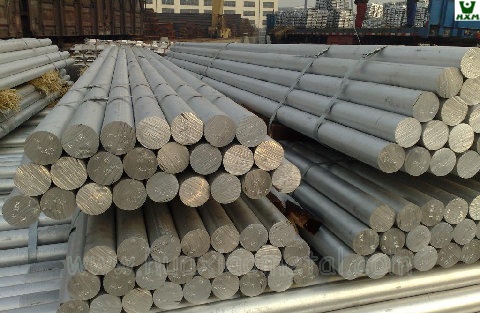
Carbon Steel Bar/Wire Rod Huaxiao offers different sizes and grades of carbon steel bars and wire rods. Carbon Steel Bar/Wire Prices Available Specification of Carbon
Industrial Applications and Advantages of 22 Gauge Steel Metal
The choice of 22 gauge steel is not accidental, but rather based on the unique combination of properties it offers in specific industries. It successfully balances rigidity (resistance to denting), machinability (ease of forming), and cost.
A. Key Application Sectors
1. HVAC System Manufacturing (Heating, Ventilation, and Air Conditioning)
Application: Fabrication of rectangular and circular ducts, vents, and air handler housings.
Reason: 22 gauge sheet metal provides sufficient structural strength to maintain duct shape and withstand internal pressure, while its lightweight properties make installation and hanging easier and more cost-effective. Galvanized steel is the mainstream material in this industry.
2. Automotive Industry
Application: Non-structural body panels, interior components, heat shields, and fuel tank accessories.
Why: With the trend toward lightweighting in automobiles, 22 gauge metal (particularly high-strength low-alloy steel/HSLA steel variants in this thickness) helps reduce vehicle weight, thereby improving fuel efficiency, while maintaining acceptable impact and dent resistance.
3. Appliance Manufacturing
Applications: Refrigerator housings, oven panels, and washer and dryer bodies.
Why: 22 gauge steel’s excellent surface finish (cold-rolled or stainless steel) and ease of painting or polishing make it a popular choice for appliance panels. It provides a strong housing without adding unnecessary weight or cost.
4. Construction and Metal Furniture
Applications: Lightweight frames, metal doors, lockers, filing cabinets, and desks.
Why: Its ease of welding and bending allows for the quick and economical creation of load-bearing cabinets and frame structures.
B. The Unique Advantages of 22 Gauge
The choice of 22 gauge steel is a strategic one, often centered on achieving a perfect balance between cost, formability, and weight optimization. It is this balance that makes it highly valuable across numerous high-volume manufacturing sectors.
| Advantage | Description | Manufacturing Value |
| Cost-Effectiveness | Compared to thicker materials like 20 or 18 gauge steel, the 22 gauge steel sheet requires less raw material, directly translating into lower procurement costs per unit area. | Preferred for Mass Production |
| Formability | Its moderate thickness makes it exceptionally well-suited for high-precision stamping, deep drawing, and bending operations, reducing the stress on tooling and equipment. | Ideal for Complex Part Fabrication |
| Welding Efficiency | Welding thin-gauge sheets is generally faster and results in a smaller heat-affected zone (HAZ), which helps maintain the material’s original properties and surface quality. | Boosts Production Line Throughput |
| Weight Optimization | For applications involving transportation or installation, the reduced weight translates to lower logistics costs, easier on-site handling, and improved fuel efficiency (in automotive applications). | Logistics and Installation Benefits |
Sourcing and Quality Control of 22 Gauge Steel
After selecting 22 gauge steel, choosing a reliable supplier is crucial. Huaxiao Metal stands out in the global market with its global operations, rigorous quality management system, and customized service.
A. Why Choose Huaxiao Metal?
1. Guaranteed Specifications: We understand our customers’ precise requirements for 22 gauge steel thickness. All our coils and sheets are inspected with advanced thickness gauges, ensuring that every batch of 22 gauge metal adheres to a strict standard tolerance of 0.759 mm (0.0299 inches). We have industry-leading experience in addressing subtle variations between different materials (carbon steel and stainless steel).
2. Customization: In addition to standard sizes, we offer custom widths, lengths, and surface finishes. Whether you require a specific galvanizing weight, tensile strength, or yield strength, Huaxiao Metal can provide a customized solution to meet your project’s 22 gauge steel sheet needs.
3. International Supply Chain and Global Delivery: As a supplier to the international market, our logistics network covers a global scope. We can ensure that your 22 gauge steel thickness orders arrive promptly and safely anywhere in the world, reducing your supply chain risks and transportation costs.
B. Our Quality Assurance Process
Huaxiao Metal strictly adheres to international quality standards such as ISO 9001. Our quality control process includes:
Raw Material Chemical Composition Analysis: Ensures that steel grades (such as 304, 430, SPCC) meet international standards.
Thickness and Flatness Testing: Ensures that the 22 gauge thickness is uniform across the entire coil or sheet.
Mechanical Property Testing: Including tensile and bend tests to ensure that the steel has the required formability and strength.
Surface Defect Inspection: Ensures that the sheet surface is free of scratches, indentations, or wavy defects.
How Gauge Measurement Works
Unlike metric thickness (mm), the gauge system was developed historically in the United States and the United Kingdom. It originated from the number of operations (drawing or rolling) needed to reduce a metal sheet to its final thickness.
That means:
Lower gauge = thicker sheet
Higher gauge = thinner sheet
Today, two main standards are commonly used:
U.S. Standard Gauge (USSG) for ferrous metals (steel, stainless steel)
Brown & Sharpe Gauge (B&S) for non-ferrous metals (aluminum, copper)
Understanding these differences helps avoid confusion when comparing international specifications.
Material Grades Commonly Used in 22 Gauge Steel
| Category | Common Grades | Standard | Features |
|---|---|---|---|
| Carbon Steel | ASTM A1008, A1011 | ASTM / SAE | Good formability |
| Galvanized Steel | G90, SGCC | ASTM A653 / JIS G3302 | Corrosion-resistant |
| Stainless Steel | 304, 316, 430 | ASTM A240 / JIS G4304 | Excellent corrosion resistance |
| Aluminum | 1100, 3003, 5052 | ASTM B209 | Lightweight and rust-proof |
Is 22 Gauge Steel Suitable for Welding or Forming?
Yes. 22 gauge steel sheets can be easily welded, bent, and cut, especially when using TIG or MIG welding techniques. However, since it’s relatively thin, professionals must control heat input to avoid warping.
At Huaxiao Metal, our processing centers are equipped with CNC cutting, bending, and laser fabrication equipment, ensuring precise shaping of 22 gauge metal sheets for OEM or custom applications.
Why Choose Huaxiao Metal?
At Huaxiao Metal, we supply:
- Stainless steel sheets (304, 316, 430)
- Carbon steel sheets
- Galvanized steel sheets
- Aluminum sheets
We provide:
- Custom thickness cutting (including 22 gauge precision)
- Global export supply chain
- OEM & bulk industrial orders
- Technical support for material selection
👉 If you are unsure whether 22 gauge is suitable for your project, contact our engineering team for recommendations and quotation support.
FAQ – 22 Gauge Sheet Metal
How thick is 22 gauge steel in inches and millimeters?
For standard carbon or galvanized steel, 22 gauge steel thickness is precisely 0.0299inches or 0.759 mm. This is the critical measurement used across the HVAC, automotive, andappliance industries. Note that 22 gauge stainless steel is slightly thicker at 0.0312 inches.
Is 22 gauge metal suitable for outdoor use?
Yes, but the material type matters. 22 gauge Galvanized Steel is highly suitable for outdoor use like HVAC ducts and roofing due to its protective zinc coating providing excellent corrosion resistance. For extreme environments, 22 gauge stainless steel (grade 316) offers superior, long-lasting protection.
Is 22 gauge thicker than 20 gauge?
No. In the metal gauging system, a lower gauge number indicates a thicker material. Therefore20 gauge (0.0359 inches) is approximately 20% thicker than 22 gauge steel (0.0299 inches).This difference is critical for structural calculations.
What is the primary advantage of using 22 gauge sheet metal over a thicker material?
The main advantage of 22 gauge sheet metal is achieving the best balance among cost, weight, and rigidity. It provides sufficient strength and anti-flex properties for enclosure and non-structural applications (like paneling and appliance shells) while significantly reducing material costs and overall product weight compared to 20 or 18 gauge.
Can 22 gauge steel be welded or bent easily?
Yes. It’s thin enough for bending but strong enough to maintain rigidity after welding — making it popular for light fabrication and decorative work.
How thick is 22 gauge carbon steel compared to 22 gauge aluminum?
22 gauge carbon steel is 0.759 mm (0.0299 inches) thick, while 22 gauge aluminum (whichuses a different gauge standard -B&S/AWG) is 0.643 mm (0.0253 inches) thick. The 22 gaugesteel is notably thicker than the 22 gauge aluminum.
Is 22 gauge steel strong enough for construction?
It depends on the application. It is suitable for non-structural or light structural components.
Why does 22 gauge thickness vary by material?
Because different metals use different gauge standards based on density and historical measurement systems.
In Conclusion
In summary, 22 gauge steel, with its precise 22 gauge metal thickness (0.0299 inches or 0.759 mm), strikes the perfect balance between cost, strength, and machinability, making it the gold standard in HVAC, automotive, appliance manufacturing, and construction. A thorough understanding of the critical question of “how thick is 22 gauge metal” and the properties of different materials are key to successfully implementing your project and achieving cost optimization.
Huaxiao Metal, with its years of industry experience, state-of-the-art production equipment, and global logistics network, can provide you with 22 gauge steel sheet in a variety of materials (galvanized, stainless steel, and carbon steel) that meet international standards. We guarantee that both the accuracy of our 22 gauge steel thickness and the mechanical properties of the material will meet your highest standards.
Don’t let specification selection and quality issues become bottlenecks in your project!
If you need to purchase 22 gauge steel in bulk or have any questions about 22 gauge steel thickness or custom specifications, please contact our dedicated sales team today. We will provide expert consultation to ensure you select the highest-quality metal that best suits your needs.