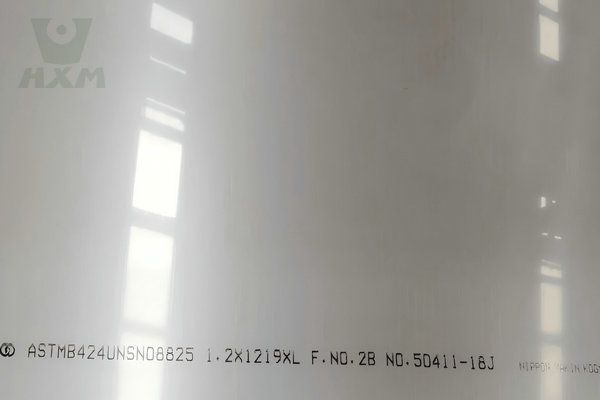
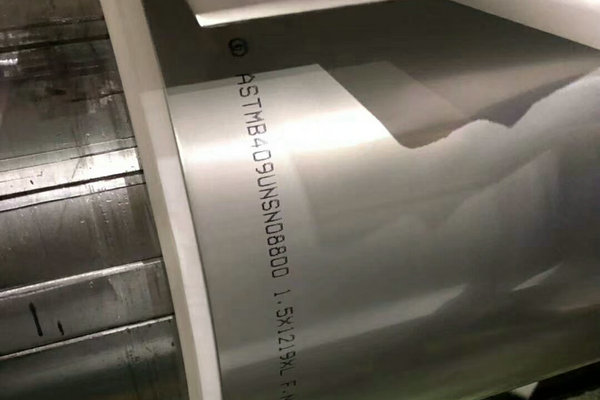
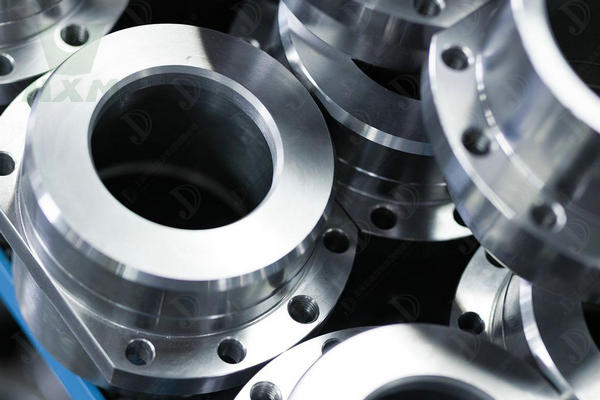
Incoloy is a family of superalloys primarily composed of nickel and iron, with smaller amounts of chromium and other elements. Renowned for their excellent resistance to oxidation, corrosion, and high temperatures, Incoloy alloys are widely used in demanding industrial applications.
As leading Incoloy Alloy Suppliers and Manufacturers, Huaxiao Metal proudly offers a wide range of Incoloy products — including sheet, plate, pipe, tube, wire, bar and custom configurations — with competitive Incoloy Alloy Prices and global delivery options.
What are Incoloy Metals and Alloys?
The incoloy metal alloy is a general term for a series of high-iron high-temperature alloys. Depending on the ratio of nickel, chromium, and iron, Incoloy alloy can be nickel-iron-chromium alloy, iron-nickel-chromium alloy, or iron-chromium-nickel alloy.
In the context of the development of Incoloy alloy, nickel is a very scarce strategic metal. Therefore, people hope to have an alloy with a lower nickel content but equally resistant to high-temperature corrosion. And Incoloy is an alloy that meets the demand. It uses a large amount of iron instead of nickel. Although its corrosion resistance is not as good as Inconel alloy, it is sufficient in many cases and costs less.
In short, Incoloy alloy is a nickel-saving Inconel alloy. It is cheaper than Inconel.
Why Incoloy Alloys Matter in Industry
Incoloy superalloys bridge the gap between traditional stainless steels and high-end nickel alloys by combining:
High corrosion resistance in both oxidizing and reducing environments
Excellent mechanical strength at elevated temperatures
Fabrication compatibility similar to stainless steel
Long service life with less frequent maintenance
These features make Incoloy ideal for equipment like heat exchangers, furnaces, pressure vessels, tubular components, valves, and containment systems.
Incoloy Metals and Alloys Grades
Different grades of Incoloy alloys are tailored to meet specific industrial needs. The grades are categorized into three main types:
Incoloy 800 / 800H / 800HT
Base Composition: Ni-Fe-Cr
Strengths: Excellent high-temperature oxidation resistance, good creep strength
Common Uses: Industrial furnaces, heat-treating equipment, petrochemical vessels, and piping
Advantages: Lower cost alternative to more exotic nickel alloys with superior stability at elevated temperatures (up to ~1100°C)
This grade is globally popular where long-term exposure to high heat and oxidation occurs.
Incoloy 825 (UNS N08825 / 2.4858)
One of the most widely used Incoloy materials, Incoloy 825 features enhanced corrosion resistance due to additions of molybdenum, copper, and titanium, which improve resistance to sulfuric and phosphoric acids, chloride stress-corrosion cracking, and pitting.
Applications: Chemical processing, pollution control equipment, and marine environments.
Features: Exceptional resistance to sulfuric and phosphoric acids.
Incoloy 925 and Other Specialty Incoloy Alloys
Although less common than 800/825, alloys such as Incoloy 925 provide high strength and excellent corrosion resistance in harsh environments and are particularly valued for subsea, aerospace and marine applications.
Applications: Oil and gas drilling, marine engineering.
Features: High strength combined with superior corrosion resistance
Incoloy Alloys Data Sheet
Incoloy Alloys Chemical Compositions
| Element | Incoloy 800 | Incoloy 825 | Incoloy 925 |
|---|---|---|---|
| Ni | 30-35% | 38-46% | 42-46% |
| Cr | 19-23% | 19.5-23.5% | 19.5-23.5% |
| Fe | Balance | Balance | Balance |
| Mo | – | 2.5-3.5% | 2.5-3.5% |
| Cu | – | 1.5-3.0% | 1.5-3.0% |
| C | ≤0.1% | ≤0.05% | ≤0.03% |
The Mechanical Properties of Incoloy
| Property | Incoloy 800 | Incoloy 825 | Incoloy 925 |
|---|---|---|---|
| Tensile Strength (MPa) | ≥450 | ≥550 | ≥650 |
| Yield Strength (MPa) | ≥170 | ≥220 | ≥300 |
| Elongation (%) | ≥30 | ≥30 | ≥25 |
| Hardness (HB) | ≤200 | ≤200 | ≤220 |
The Physical Properties of Incoloy
| Property | Incoloy 800 | Incoloy 825 | Incoloy 925 |
|---|---|---|---|
| Density (g/cm³) | 7.94 | 8.14 | 8.14 |
| Melting Point (°C) | 1357-1385 | 1350-1400 | 1350-1400 |
| Thermal Conductivity (W/m·K) | 11.2 | 10.8 | 10.8 |
| Electrical Resistivity (µΩ·m) | 1.05 | 1.07 | 1.08 |
Characteristics of Incoloy Alloys
High-Temperature Resistance: Incoloy metals maintain their strength and stability even at elevated temperatures, making them ideal for heat exchangers and furnace components.
Corrosion Resistance: The chromium and nickel content provides excellent protection against oxidation and corrosive environments, such as seawater and acidic chemicals.
Versatility: Incoloy alloys can be fabricated into various forms, including sheets, plates, bars, and wires, to suit different industrial needs.
Special Properties of Incoloy Alloys
Corrosion Resistance of Incoloy Alloys
| Corrosive Medium | Incoloy 800 | Incoloy 825 | Incoloy 925 |
|---|---|---|---|
| Oxidation Resistance | Excellent | Good | Good |
| Sulfuric Acid Resistance | Limited | Excellent | Excellent |
| Chloride Stress Corrosion Cracking | Moderate | Excellent | Excellent |
| Seawater Resistance | Limited | Excellent | Excellent |
Machinability of Incoloy Alloys
| Performance | Details |
|---|---|
| Cutting | Requires carbide tools due to material hardness. |
| Forming | Good ductility allows for cold and hot forming. |
| Surface Finish | Excellent polishability for industrial and aesthetic uses. |
Weldability of Incoloy Alloys
| Welding Process | Suitability |
|---|---|
| Gas Tungsten Arc Welding (GTAW) | Highly suitable for thin sections and precision welding. |
| Shielded Metal Arc Welding (SMAW) | Commonly used for thicker sections. |
| Pre- and Post-Weld Heat Treatment | Recommended for reducing residual stress. |
Heat Treatment of Incoloy Alloys
| Heat Treatment | Effect on Properties |
|---|---|
| Annealing | Enhances ductility and removes residual stresses. |
| Aging Treatment | Increases strength and hardness for Incoloy 925. |
| Stress Relief | Minimizes distortion during machining or welding. |
Additional Features
| Performance Aspect | Description |
|---|---|
| Thermal Fatigue Resistance | High resistance to thermal cycling. |
| Oxidation at Elevated Temperatures | Maintains protective oxide layer up to 1000°C. |
| Magnetic Properties | Non-magnetic under normal conditions. |
Benefits of Incoloy Alloys
Superior performance in harsh environments.
Long lifespan with minimal maintenance.
Availability in multiple grades and forms to meet diverse requirements.
Interested in learning more about Incoloy metal alloys? Contact us for detailed specifications and pricing!
Applications for Incoloy Metal Alloys
Incoloy metal alloys are highly versatile and find applications in several industries:
Aerospace: Components subjected to high stress and temperatures, such as jet engines.
Petrochemical Industry: Heat exchangers, process piping, and reactors.
Marine Industry: Corrosion-resistant parts for offshore platforms and subsea operations.
Power Generation: Turbine blades, nuclear reactor components.
Industry Case Examples
Example 1: Incoloy 825 lined reactors used in acid plants reduced maintenance downtime by 30% vs carbon steel alternatives — improving throughput and lowering lifecycle cost.
Example 2: Offshore platforms deploying Incoloy fixtures saw extended corrosion resistance compared to duplex stainless steels in high-chloride seawater environments.
These real-world deployments confirm Incoloy’s value in demanding conditions and justify the initial material cost through reduced downtime and superior performance.
How to Choose the Right Incoloy Alloy Supplier
When selecting an Incoloy Alloy Supplier, consider:
Quality & Certification
Ensure the supplier meets ISO 9001 or equivalent certification and adheres to ASTM/ASME/DIN standards for product quality and traceability.
Inventory Depth
A supplier with broad stock holdings — multiple sizes, grades, and product forms — allows faster turnaround and lower lead times.
Global Logistics Capability
Look for partners that offer reliable export documentation, flexible incoterms, and door-to-door logistics.
Customer Service & Technical Support
A strong technical team helps in selecting the right alloy grade, size, and finish for your application.
Incoloy Alloy Price Factors & Cost Considerations
Incoloy prices depend on:
Raw material market (nickel, chromium)
Grade and specification
Form (plate, tube, bar)
Quantity and delivery location
Manufacturing processes and certifications
At Huaxiao Metal, we provide transparent Incoloy Alloy Prices and tailored quotations based on precise buyer requirements.
FAQ — Common Incoloy Alloy Questions
What is the difference between Incoloy 800 and Incoloy 825?
Incoloy 800 focuses on high-temperature oxidation resistance, whereas 825 adds elements like molybdenum and copper for improved corrosion resistance in aggressive chemical environments.
To learn more about the differences between Incoloy 800 and 825, please click on this article.
Incoloy 800 vs 825 Alloy – Comprehensive Comparison & Supplier Guide
Are Incoloy alloys weldable and machinable?
Yes, Incoloy alloys can be machined and welded using conventional stainless steel methods with appropriate practices.
Can I get custom sizes and shapes?
Absolutely. We offer custom cut-to-length, fabrication options, and certification documentation with every shipment.
In Conclusion
Incoloy metals and alloys are ideal for industries that demand reliable performance in demanding environments. With their outstanding resistance to high temperatures, corrosion, and versatility, they continue to be the material of choice for critical applications around the world.
Looking for high-quality Incoloy metal alloys? Contact us today to discuss your requirements and request a quote!
Recommended Articles

Incoloy 800 Alloy: Properties, Applications & Reliable Supplier Guide
In high-temperature and corrosive industrial environments, material performance directly affects equipment safety, service life, and operating costs. Incoloy 800 Alloy, a nickel-iron-chromium alloy, has become
Incoloy vs Copper: Full Material Comparison, Cost Analysis & Supplier Guide for 2026
Incoloy vs copper are widely used materials across various industries, each with unique properties and applications. Choosing the right material can significantly impact the efficiency
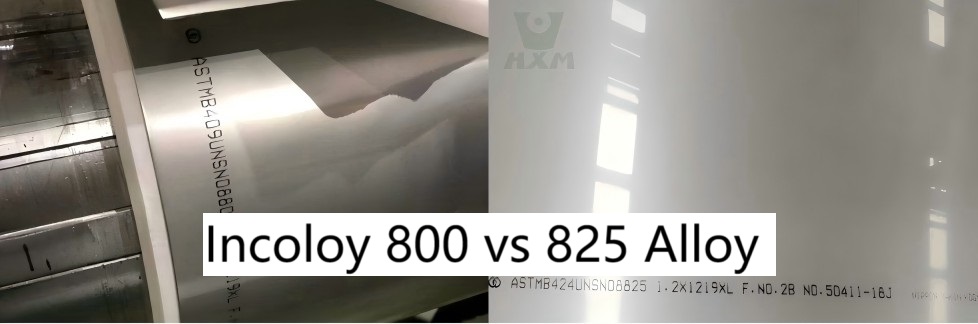
Incoloy 800 vs 825 Alloy – Comprehensive Comparison & Supplier Guide
Incoloy 800 vs 825 are two widely used nickel-iron-chromium alloys that are known for their excellent corrosion resistance, mechanical strength, and suitability for high-temperature environments.
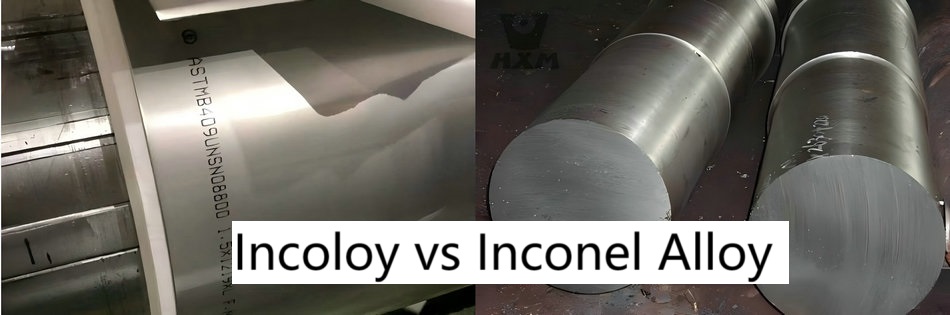
Incoloy vs Inconel Alloys: Key Differences, Properties, Applications & Buying Guide (2026)
Incoloy vs Inconel are two prominent superalloys known for their excellent performance in demanding environments. Both materials are widely used across various industries, but they
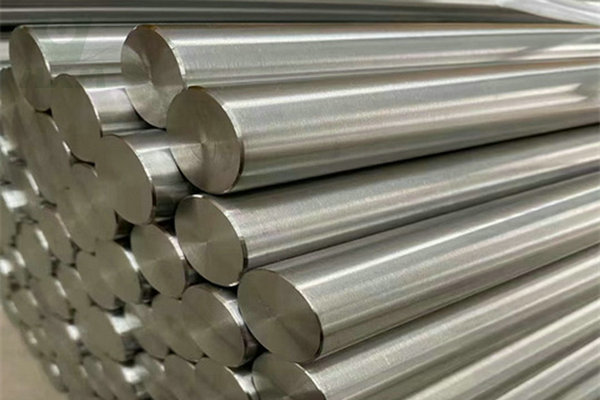
Incoloy Alloy
Incoloy Alloy Supplier and Manufacturer From China Incoloy alloys are a class of corrosion-resistant and high-temperature alloys widely used in petrochemical, chemical processing, seawater treatment,