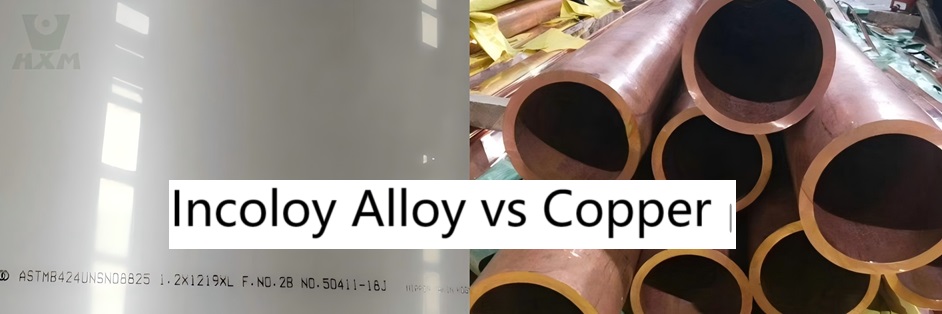
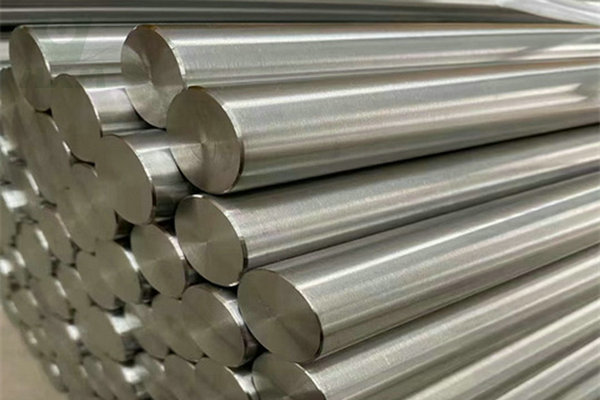
Incoloy Alloy
Incoloy Alloy Supplier and Manufacturer From China Incoloy alloys are a class of corrosion-resistant and high-temperature alloys widely used in petrochemical, chemical processing, seawater treatment,
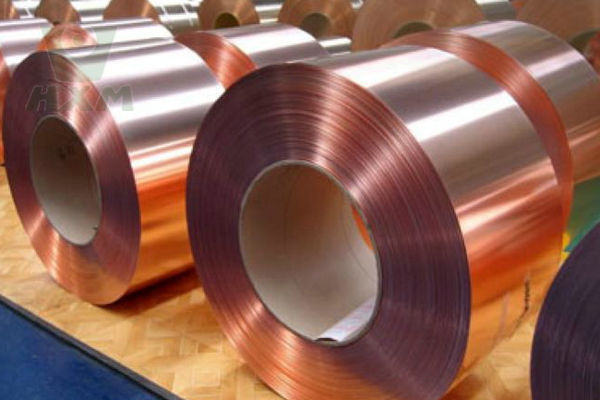
Copper Metal
Copper Metal Suppliers From China The company is one of those that produce, process, and sell copper rods, copper tubes, and copper metal suppliers in
Material Composition: Incoloy vs Copper
| Property | Incoloy Alloy | Copper |
|---|---|---|
| Nickel (Ni) | 30–46% | 0% |
| Chromium (Cr) | 19–23% | 0% |
| Iron (Fe) | Balance | 0% |
| Copper (Cu) | 0–3% | 99–100% |
| Molybdenum (Mo) | 2–3% | 0% |
Incoloy: Primarily composed of nickel, iron, and chromium, with variations depending on specific grades.
Copper: Pure metal, sometimes alloyed with zinc, tin, or other elements for specific applications.
Thermal Properties: Incoloy vs Copper
Incoloy: Maintains structural integrity at high temperatures, making it ideal for heating elements.
Copper: Superior thermal conductivity, suitable for heat exchangers and electrical applications.
Thermal Conductivity
Incoloy: ~13–15 W/m·K
Copper: 386 W/m·K
Insight: Copper is far superior for heat transfer applications (heat exchangers, wiring). Incoloy is chosen where mechanical strength at high temperature is critical rather than heat conduction.
Mechanical Properties: Incoloy vs Copper
| Property | Incoloy | Copper |
|---|---|---|
| Tensile Strength | 550–750 MPa | 210 MPa |
| Yield Strength | 250–500 MPa | 70 MPa |
| Hardness | HRC 20–30 | 40–60 HB |
| Fatigue Resistance | Excellent | Moderate |
Incoloy: High tensile strength and resistance to deformation under stress.
Copper: Excellent ductility and flexibility, but lower strength compared to Incoloy.
Environmental Impact: Incoloy vs Copper
Incoloy: Recyclable but requires more energy-intensive processes.
Copper: Highly recyclable and widely reused, contributing to sustainable practices.
Corrosion Resistance: Incoloy vs Copper
Incoloy: Exceptional resistance to pitting, crevice corrosion, and cracking in harsh environments.
Copper: Naturally resistant to corrosion but can develop patina over time.
Weldability & Fabrication
Incoloy: Requires careful welding techniques; specialized filler may be needed
Copper: Easily welded, soldered, and machined
Tip: Copper is often preferred for simple fabrication, Incoloy for high-performance industrial components.
Electrical Properties: Incoloy vs Copper
Incoloy: Not suitable for electrical conductivity applications.
Copper: Among the best materials for electrical wiring and circuitry.
Chemical Properties: Incoloy vs Copper
Incoloy: Resists oxidation and chemical degradation.
Copper: Reactive to some acids and alkalis, leading to potential degradation in extreme conditions.
Economic Considerations: Incoloy vs Copper
Cost Considerations: Copper is generally more affordable, while Incoloy’s price reflects its specialized properties.
| Material | Cost | Lifecycle Cost | Maintenance |
|---|---|---|---|
| Incoloy | High | Long-term cost-effective in harsh conditions | Low |
| Copper | Moderate | Lower upfront but higher replacement in extreme conditions | Medium |
Durability: Incoloy’s longevity in challenging environments can offset its higher initial cost.
Applications and Uses: Incolfoy vs Copper
Incoloy: Heating elements, marine components, and chemical processing.
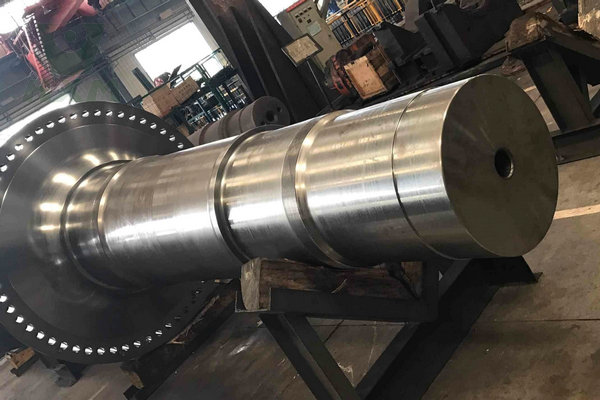
Copper: Electrical wiring, plumbing, and architectural applications.
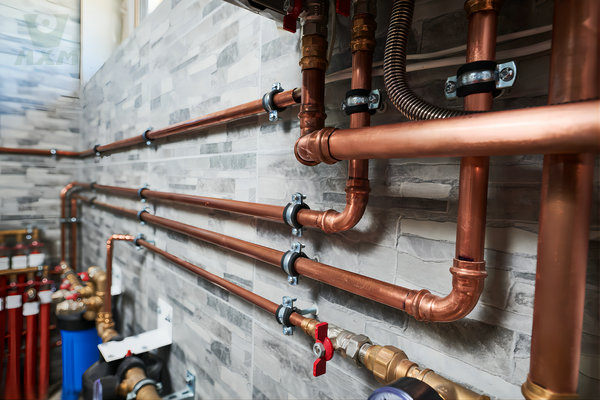
Industrial Heating Elements
Incoloy’s heat resistance makes it a top choice for industrial heating applications, where durability is crucial.
Oil and Gas Industry
Incoloy is preferred for pipelines and equipment exposed to corrosive substances, ensuring safety and longevity.
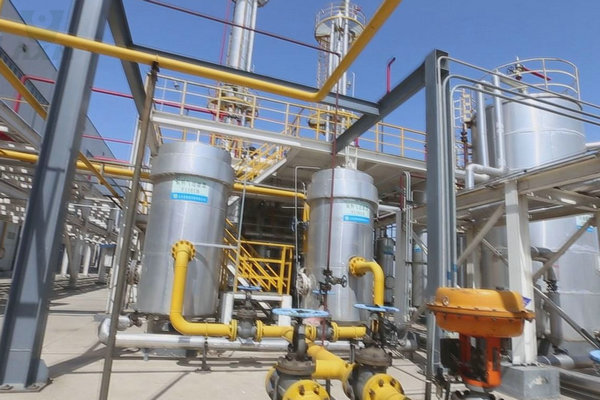
Copper is commonly used for its excellent thermal conductivity, ensuring efficient heat transfer.
Marine Applications
Incoloy’s resistance to saltwater corrosion makes it ideal for marine engineering, while copper’s affordability suits smaller-scale applications.
Aerospace Applications
Incoloy’s strength-to-weight ratio and thermal stability are essential for aerospace components.

Renewable Energy Systems
Copper is widely used in solar panels and wind turbines due to its conductivity and recyclability.
Automotive Industry
Both materials find use in this industry—copper for wiring and Incoloy for exhaust systems.

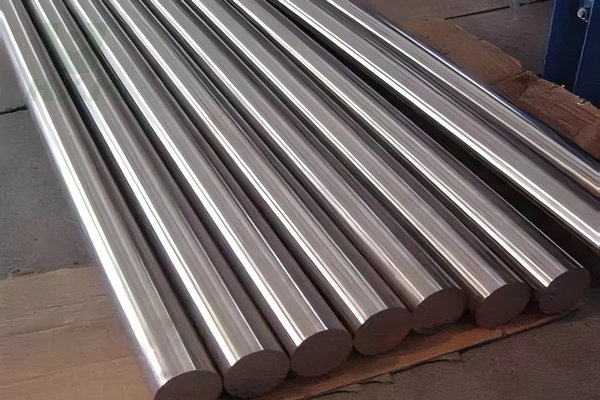
13-8 Mo Stainless Steel
13-8 Mo Stainless Steel Bar, Plate & Forging Supplier AMS 5629 / UNS S13800 / 1.4534 High-Strength PH Stainless Steel Huaxiao Metal supplies high-performance 13-8
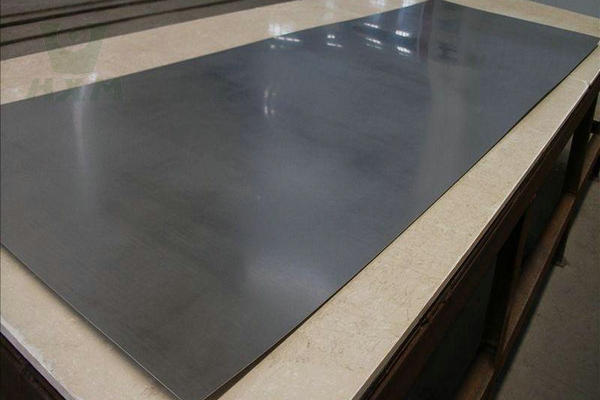
17-7PH Stainless Steel
Leading 17-7PH Stainless Steel Supplier | AISI 631 Sheet, Strip, Coil & Foil in Stock Certified AMS 5528 / ASTM A693 / UNS S17700 Precipitation
15-5PH Stainless Steel
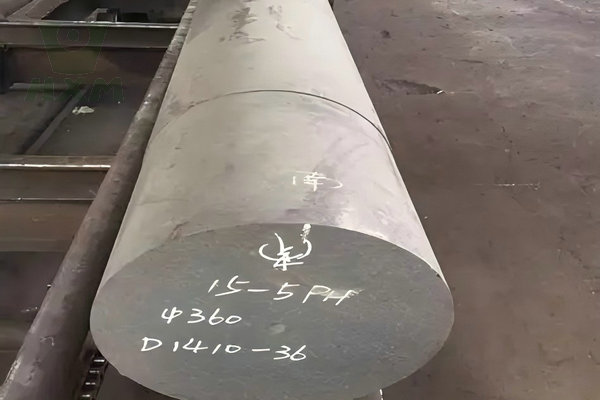
15-5PH Stainless Steel Supplier | UNS S15500 Plate & Bar Stock 15-5 PH Stainless Steel – High Toughness PH Grade Huaxiao Metal supplies 15-5PH stainless
17-4 PH Stainless Steel
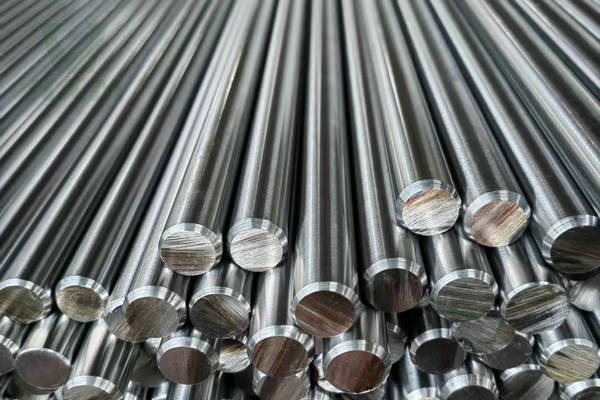
17-4PH Stainless Steel Supplier | UNS S17400 Plate, Bar, Sheet in Stock 17-4 PH Stainless Steel – Factory Supply, Fast Delivery 17-4 PH (also known
Incoloy Alloy 925
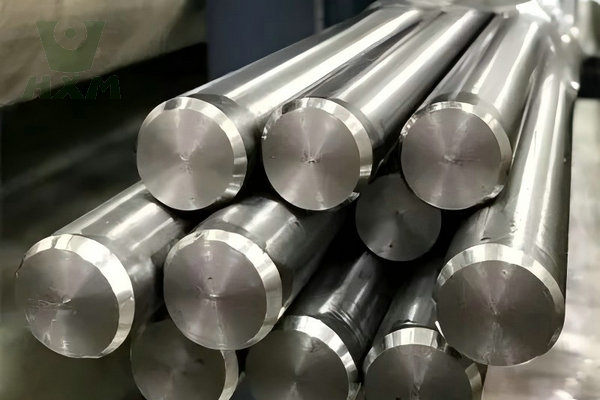
Incoloy Alloy 925 (UNS N09925) – Sheets, Plates, Bars, Pipes, Coils, Strips, Wires High-Strength Corrosion-Resistant Nickel Alloy Supplier & Manufacturer Incoloy 925 is a precipitation
Incoloy 825
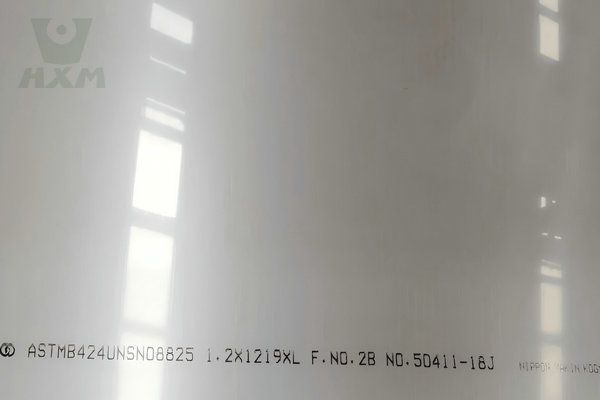
Incoloy 825 Alloy (UNS N08825) – Sheets, Plates, Bars, Pipes, Coils, Strips, Wires Corrosion Resistant Nickel-Iron-Chromium Alloy Supplier & Manufacturer Incoloy 825 alloy (UNS N08825)
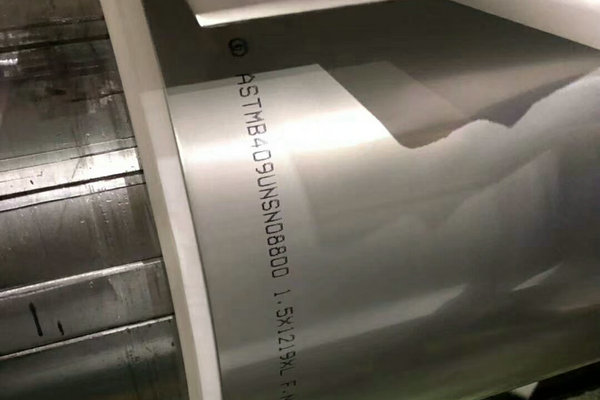
Incoloy 800
Incoloy 800 Alloy – Sheets, Plates, Bars, Pipes, Coils, Strips, Wires Incoloy 800 is part of our Incoloy alloy product range, which includes various nickel-iron-chromium

Molybdenum Metal & Alloys
Molybdenum Metal & Alloys Products – High-Quality Suppliers & Manufacturers | Huaxiao Metal Molybdenum-based materials—whether in the form of pure molybdenum metal, molybdenum alloys, or

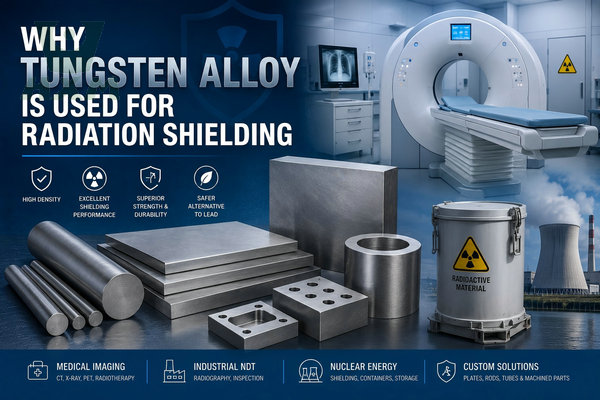
Tungsten Alloy
Tungsten Alloy Supplier – Rods, Plates, Sheets, Tubes, Wires & Custom Parts Tungsten alloy, also known as tungsten heavy alloy (WHA), is a high-density engineering