When selecting carbon steel for industrial manufacturing, mechanical parts, or tool production, engineers and buyers often compare 1060 steel vs 5160 steel. Both steels are widely used in manufacturing due to their strength, hardness, and durability.
However, although these two steels contain similar carbon levels, they differ significantly in alloy composition, mechanical performance, and typical applications.
1060 steel is a high-carbon steel known for its excellent hardness and wear resistance, making it suitable for blades, tools, and machine components. 5160 steel, on the other hand, is a chromium alloy spring steel designed for high toughness and fatigue resistance.
Let me guide you through the differences between these materials, which will help manufacturers select the most suitable steel for their specific projects.
In this comprehensive guide, we will compare:
chemical composition
mechanical properties
heat treatment characteristics
industrial applications
cost and supplier considerations
This comparison will help engineers, procurement managers, and manufacturers determine whether 1060 steel or 5160 steel is the better choice.

As a professional carbon steel supplier, Huaxiao Metal provides a wide range of high-quality carbon steel products including 1060 steel and 5160 spring steel for global industrial applications.
What is 5160 Steel?
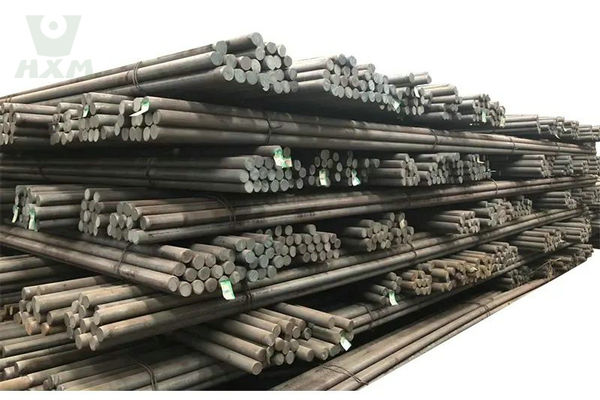
5160 steel is a high-carbon alloy steel, commonly known as “Spring Steel.” The addition of about 0.8% Chromium transforms its personality, making it incredibly resilient.
Key Characteristic: It is the king of toughness. It can flex and bend under extreme stress and “spring” back to its original shape without snapping. This makes it the industry standard for truck leaf springs and heavy-duty combat swords.
What is 1060 Steel?
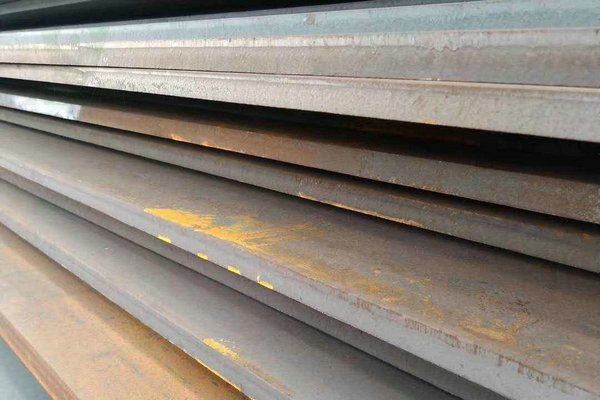
1060 steel is a high-carbon plain steel with a 0.60% carbon content. It is known for its purity and balance: tough enough to resist breaking, yet hard enough to hold a sharp edge.
Key Characteristic: It’s the “Goldilocks” of carbon steels—easy to forge and perfect for traditional clay-tempered blades (like Katanas) that need a hard edge and a soft spine.
1060 Steel vs 5160 Steel Quick Comparison
| Property | 1060 Steel | 5160 Steel |
|---|---|---|
| Steel type | High carbon steel | Chromium alloy spring steel |
| Carbon content | 0.55–0.66% | 0.56–0.64% |
| Chromium | None | 0.7–0.9% |
| Hardness potential | High | High |
| Toughness | Moderate | Very high |
| Fatigue resistance | Medium | Excellent |
| Machinability | Good | Moderate |
| Typical applications | Tools, blades, mechanical parts | Springs, suspension, heavy-duty tools |
| Cost | Lower | Higher |

The key difference is the chromium alloying element in 5160 steel, which significantly improves toughness, fatigue resistance, and hardenability.
1060 Steel vs 5160 Steel: Chemical Composition Comparison
Chemical Composition of 1060 Steel
1060 steel belongs to the 10xx carbon steel series, where the last two digits represent the approximate carbon content.
Typical chemical composition:
| Element | Content |
|---|---|
| Carbon | 0.55–0.66% |
| Manganese | 0.60–0.90% |
| Silicon | 0.15–0.35% |
| Phosphorus | ≤0.04% |
| Sulfur | ≤0.05% |
| Iron | Balance |
The relatively high carbon content increases the steel’s hardness and strength, making it suitable for cutting tools and wear-resistant components.
Because 1060 steel does not contain strong alloying elements like chromium or molybdenum, it is easier to:
- machine
- weld
- forge
This makes it a cost-effective material for large-scale industrial manufacturing.
Chemical Composition of 5160 Steel
5160 steel is a chromium alloy spring steel designed for components that experience repeated mechanical stress.
Typical chemical composition:
| Element | Content |
|---|---|
| Carbon | 0.56–0.64% |
| Chromium | 0.7–0.9% |
| Manganese | 0.75–1.00% |
| Silicon | 0.15–0.35% |
| Phosphorus | ≤0.04% |
| Sulfur | ≤0.03% |
The chromium addition improves:
- hardenability
- wear resistance
- fatigue strength
These characteristics make 5160 steel particularly suitable for automotive springs and high-impact tools.
1060 Steel vs 5160 Steel: Mechanical Properties Comparison
Mechanical properties are critical when choosing steel for industrial use.
| Property | 1060 Steel | 5160 Steel |
|---|---|---|
| Tensile strength | 620–850 MPa | 660–1150 MPa |
| Yield strength | 350–500 MPa | 275–1010 MPa |
| Hardness | up to 55 HRC | 48–57 HRC |
| Density | 7.85 g/cm³ | 7.85 g/cm³ |
| Elastic modulus | ~200 GPa | 190–210 GPa |
Although both steels can achieve high hardness after heat treatment, 5160 steel generally provides better toughness and fatigue resistance, especially under cyclic loading conditions.
This is why 5160 steel is widely used in components exposed to repeated bending or shock.
Hardness and Wear Resistance
Hardness determines how well steel resists deformation and wear.
1060 Steel Hardness
1060 steel can reach high hardness after proper heat treatment.
Typical hardness levels:
- Rockwell hardness: up to 55 HRC
- Brinell hardness: around 200 HB
This makes it suitable for applications such as:
- cutting tools
- blades
- mechanical components
5160 Steel Hardness
5160 steel can achieve similar hardness levels but offers better toughness due to chromium alloying.
Typical hardness range:
48–57 HRC after heat treatment
This combination of hardness and flexibility allows the steel to absorb impact without cracking.
1060 Steel vs 5160 Steel Heat Treatment Differences
Heat treatment plays a critical role in determining final steel properties.
Heat Treatment for 1060 Steel
Typical process:
- Austenitizing: ~800–830°C
- Oil or water quenching
- Tempering at 200–400°C
Resulting properties:
- high hardness
- good wear resistance
However, excessive hardness may reduce toughness.
Heat Treatment for 5160 Steel
Typical heat treatment process:
- Austenitizing: ~830°C
- Oil quenching
- Tempering at 400–500°C
Due to chromium content, 5160 steel maintains excellent strength and toughness even after tempering.
Fatigue Resistance and Toughness
One of the most important differences between these steels is fatigue resistance.
Fatigue strength refers to the ability of a material to withstand repeated stress cycles.
5160 steel has significantly higher fatigue resistance because chromium improves:
- microstructure stability
- crack resistance
- shock absorption
Fatigue strength for 5160 steel can range from 180 to 650 MPa, which is significantly higher than typical carbon steels.
This property makes 5160 steel ideal for applications such as automotive suspension components.
Applications: Where Each Steel Performs Best

Applications of 1060 Steel
1060 steel is commonly used in industries that require hardness and wear resistance at relatively low cost.
Typical applications include:
- agricultural tools
- cutting blades
- machine parts
- shafts and gears
- industrial knives
Its combination of hardness and machinability makes it a popular material for general manufacturing.
Applications of 5160 Steel
5160 steel is widely known as a spring steel.
Common applications include:
- automotive leaf springs
- railway suspension springs
- heavy-duty knives
- machetes and swords
- mining equipment
The steel’s ability to withstand repeated stress makes it ideal for dynamic mechanical components.
If your project requires extreme shock loading (like a machete hitting a branch), 5160 is superior due to its chromium-enhanced grain structure. However, if you seek aesthetic beauty and edge precision (like a display katana), 1060 allows for the traditional clay-tempering process that 5160 cannot achieve.
1060 Steel vs 5160 Steel Corrosion Resistance
Both 1060 steel and 5160 steel belong to the carbon steel category, and therefore are prone to rust.
However, 5160 steel offers slightly better corrosion resistance because chromium can form a protective oxide layer on the steel surface.
In most applications, both steels require protective treatments such as:
- coating
- oiling
- painting
1060 Steel vs 5160 Steel Cost Comparison
Cost is often a key factor for procurement teams.
Generally speaking:
1060 steel is cheaper than 5160 steel.
Reasons include:
- fewer alloying elements
- simpler manufacturing
- easier processing
5160 steel contains chromium and requires more precise heat treatment, which increases production cost.
However, for applications requiring high durability, the performance benefits of 5160 steel often justify the higher price.
1060 Steel vs 5160 Steel Advantages and Disadvantages
Advantages of 1060 Steel
lower cost
good hardness
easier machining
widely available
Disadvantages of 1060 Steel
lower fatigue resistance
less toughness
Advantages of 5160 Steel
excellent toughness
superior fatigue resistance
better impact resistance
Disadvantage of 5160 Steel
higher cost
more complex processing
Which Steel Should You Choose?
Choosing between 1060 steel and 5160 steel depends largely on the intended application.
Choose 1060 steel if you need:
cost-effective material
high hardness
easier machining
Choose 5160 steel if you need:
high toughness
excellent fatigue resistance
spring performance
For automotive or heavy-duty equipment, 5160 steel is often the better choice.
For tools and blades where hardness is the priority, 1060 steel may be sufficient.
FAQ: 1060 Steel vs 5160 Steel
What is the difference between 1060 steel and 5160 steel?
1060 steel is a high carbon steel with good hardness and wear resistance, while 5160 steel is a chromium alloy spring steel with higher toughness and fatigue resistance.
Is 5160 steel stronger than 1060 steel?
Yes. 5160 steel generally provides higher toughness and fatigue resistance due to its chromium alloy content.
Is 1060 steel good for knife making?
Yes. 1060 steel can achieve high hardness after heat treatment and offers good edge retention.
Why is 5160 steel used for springs?
5160 steel provides excellent elasticity and fatigue resistance, making it ideal for automotive leaf springs and suspension components.
Which steel is cheaper?
1060 steel is generally more affordable because it contains fewer alloying elements.
Does 5160 steel rust faster than 1060?
No. The small amount of Chromium in 5160 actually provides a tiny bit more corrosion resistance than plain 1060, though both will rust if not oiled.
Who is a reliable supplier for 1060 steel and 5160 steel?
Reliable suppliers such as Huaxiao Metal provide high-quality carbon steel products including 1060 steel bars, 5160 spring steel plates, and custom industrial steel materials for global buyers.
Conclusion: 1060 Steel vs 5160 Steel
Both 1060 steel and 5160 steel are widely used materials in the carbon steel industry.
1060 steel offers a cost-effective solution with high hardness and good wear resistance.
5160 steel provides superior toughness and fatigue resistance due to chromium alloying.
For high-impact applications such as automotive suspension systems, 5160 steel is usually the better choice. For cutting tools or general industrial components, 1060 steel remains a reliable and economical option.
If you are looking for reliable 1060 steel suppliers or 5160 spring steel manufacturers, Huaxiao Metal can provide high-quality carbon steel materials with competitive pricing and global export experience.
Contact our team today to get the latest 1060 steel and 5160 steel price and stock availability.
Choosing a Reliable Carbon Steel Supplier
When sourcing carbon steel materials such as 1060 steel or 5160 spring steel, it is important to choose a reliable supplier that can guarantee consistent quality and stable supply.
Huaxiao Metal is a professional carbon steel exporter with extensive experience supplying industrial steel products to global markets. Our product range includes:
1060 carbon steel bars
5160 spring steel plates
carbon steel coils and sheets
With strict quality control and competitive pricing, Huaxiao Metal helps manufacturers find the right steel solutions for their projects.