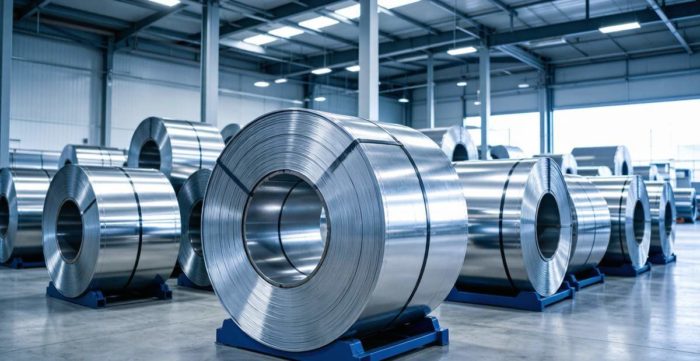

In the world of metal fabrication and engineering, 14 gauge steel is a household name. Its exceptional strength, workability, and cost-effectiveness make it an indispensable component across numerous industries. From sturdy automotive frames to durable industrial equipment, 14 gauge sheet metal is ubiquitous. However, for many, this seemingly simple term hides complex details, such as its precise thickness, variations between different metals, and its wide range of potential applications.
At Huaxiao Metal, we understand the importance of these details. As a leading supplier of high-quality metal materials to customers worldwide with over 15 years of experience, we are committed to providing a comprehensive guide to help you master all things 14 gauge steel. This in-depth blog will provide a deeper understanding of 14 gauge steel thickness, its key characteristics, its diverse applications, and why choosing a trusted partner like us is crucial.
Understanding Steel Gauge
Before we dive into the specifics of 14 gauge steel, it’s important to understand the concept of a “gauge” in the context of metal.
What is Metal Gauge?
The gauge system is a standardized measurement used to denote the thickness of sheet metal. It’s a non-linear scale where a lower gauge number corresponds to a thicker material, and a higher gauge number means a thinner material. This can be counter-intuitive, but it’s a critical concept to grasp.
Key Fact: The gauge number is inversely proportional to the thickness. For example, 14 gauge steel is thicker than 16 gauge steel but thinner than 12 gauge steel.
Why is the Gauge System Used?
The gauge system was developed to provide a quick, simple way to refer to metal thickness without having to cite precise decimal measurements in inches or millimeters, which can be cumbersome in verbal communication or on older blueprints.

Sheet Metal Gauge Chart (Complete Thickness Guide for Steel, Stainless & Aluminum)
Why Sheet Metal Gauge Matters? When it comes to sheet metal fabrication, one of the most common sources of confusion is the gauge system. Engineers,
14 Gauge Steel: Thickness and Measurement
One of the most common questions we get from clients is: “how thick is 14 gauge steel?” and “what is the thickness of 14 gauge steel in mm?” The answer depends slightly on the type of steel, as different standards exist (e.g., U.S. Standard Gauge for steel vs. galvanization standards).
The Precise Dimensions of 14 Gauge Steel
14 Gauge Steel Thickness in Inches: The industry standard for 14 gauge steel is 0.0747 inches. This is the most widely accepted measurement for carbon steel, stainless steel, and other ferrous metals.
14 Gauge Steel Thickness in mm: For international clients, the equivalent metric measurement for 14 gauge steel is 1.905 mm.
Note on Tolerance: It’s important to remember that all metal products have a manufacturing tolerance. Reputable suppliers like Huaxiao Metal adhere to strict international standards to ensure the actual thickness of our 14 gauge steel sheet falls well within the specified tolerance range.
Comparison Table: 14 Gauge vs. Common Gauges
| Gauge Number | Thickness (Inches) | Thickness (mm) | Common Applications |
| 12 Gauge | 0.1046 | 2.657 | Heavy-duty frames, structural components |
| 14 Gauge | 0.0747 | 1.905 | General-purpose fabrication, automotive parts |
| 16 Gauge | 0.0598 | 1.519 | Electrical boxes, HVAC ductwork, lighter panels |
| 18 Gauge | 0.0478 | 1.214 | Appliance siding, metal furniture, cabinetry |
| 20 Gauge | 0.0359 | 0.912 | Thin metal art, decorative trims |

18 Gauge Steel – Everything You Need to Know
When it comes to sheet metal, 18 gauge steel is one of the most widely used thicknesses across industries like construction, automotive, furniture, and manufacturing.

16 Gauge Steel – Everything You Need to Know
When engineers, fabricators, or buyers look for versatile sheet metal for construction, automotive, kitchen equipment, and industrial manufacturing, 16 gauge steel is often the perfect
Thickness Comparison of 14 Gauge Steel in Different Materials

Although we often say “14 gauge steel”, the actual thickness is not identical across different metals. This is because gauge standards vary depending on the metal type and industry practices. Below is a comparison of 14 gauge thickness in carbon steel, stainless steel, galvanized steel, and aluminum.
| Material Type | 14 Gauge Thickness (inches) | 14 Gauge Thickness (mm) | Key Features |
|---|---|---|---|
| Carbon Steel Sheet | 0.0747 in | 1.897 mm | Strong, economical, requires coating to avoid rust |
| Galvanized Steel Sheet | 0.079 in | 2.01 mm | Zinc-coated for corrosion resistance, slightly thicker due to coating |
| Stainless Steel Sheet | 0.0781 in | 1.98 mm | Corrosion-resistant, used in food, marine, and medical industries |
| Aluminum Sheet | 0.0641 in | 1.63 mm | Lightweight, good corrosion resistance, but lower strength than steel |
Key Observations
Galvanized 14 gauge steel is slightly thicker than standard carbon steel because of the zinc coating layer.
Stainless steel 14 gauge sheet is also a bit thicker (around 1.98 mm) compared to carbon steel.
Aluminum 14 gauge sheet is significantly thinner (1.63 mm), which reflects its lightweight property.
This means that when customers ask “how thick is 14 gauge steel in mm or inches?”, the answer depends on whether they are referring to carbon steel, galvanized steel, stainless steel, or aluminum.
At Huaxiao Metal, we supply all these material types in 14 gauge thickness, helping customers select the right option depending on strength, corrosion resistance, and weight requirements.
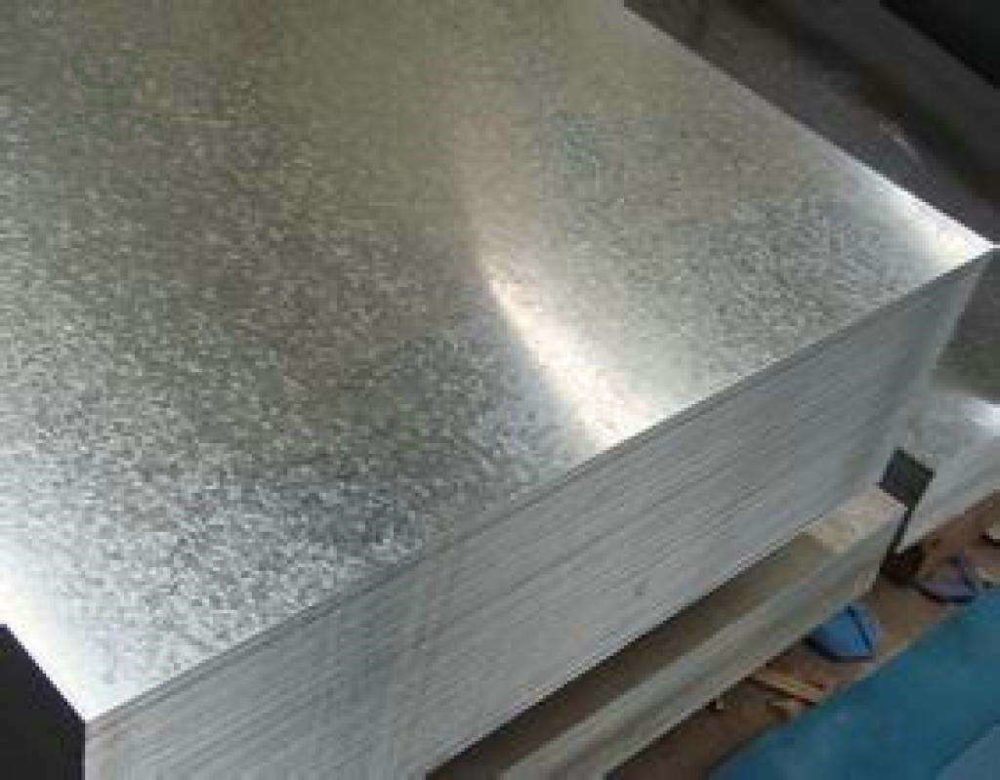
High-Quality Galvanized Sheet Metal & Zinc Coated Steel Coils – Huaxiao Metal Looking for high-quality galvanized sheet metal sheets and coils? Huaxiao Metal is your
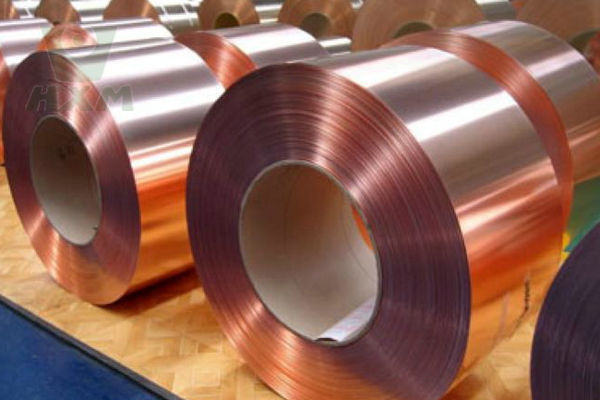
Copper Metal Suppliers From China The company is one of those that produce, process, and sell copper rods, copper tubes, and copper metal suppliers in
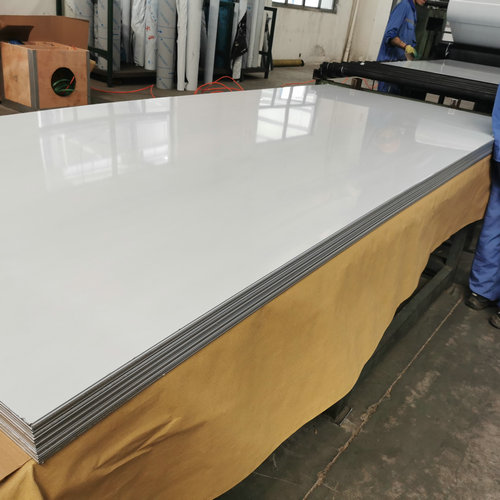
Stainless Steel Suppliers From China Huaxiao Metal is one of the leading stainless steel suppliers & manufacturers in China, we can provide stainless steel plates,
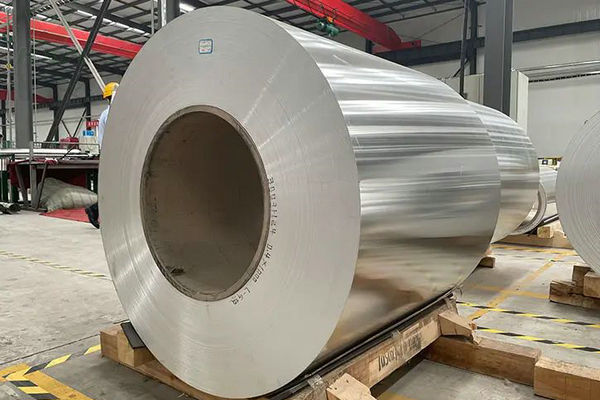
Aluminium Metal Suppliers | Manufacturers Trusted aluminum solutions for your business needs Reliable delivery of high-quality aluminum sheet/coil/strip/tube/wire/bar Get A Quote Looking for a reliable
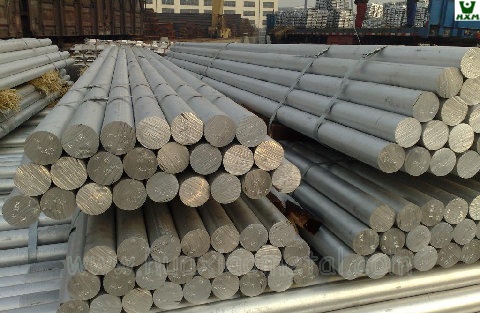
Carbon Steel Bar/Wire Rod Huaxiao offers different sizes and grades of carbon steel bars and wire rods. Carbon Steel Bar/Wire Prices Available Specification of Carbon
Performance Comparison of 14 Gauge Steel Materials with Common Grades
Below is a detailed performance comparison of 14 gauge steel sheets for different materials and commonly used grades. All values are approximate and based on standard specifications:
| Material | Common Grade | Tensile Strength (MPa) | Yield Strength (MPa) | Elongation (%) | Density (g/cm³) | Corrosion Resistance | Typical Applications |
|---|---|---|---|---|---|---|---|
| Carbon Steel | A36 | 400–550 | 250 | 20 | 7.85 | Low (needs coating) | Structural panels, machinery |
| ASTM A1011 (SPCC) | 270–410 | 170 | 28 | 7.85 | Low | Toolboxes, shelving | |
| Galvanized Steel | G90 | 350–450 | 200–250 | 20 | 7.85 | Moderate (zinc coating) | Roofing, automotive panels |
| DX51D+Z | 270–420 | 140–250 | 25 | 7.85 | Moderate | Outdoor enclosures | |
| Stainless Steel | 304 | 520–750 | 215–505 | 40 | 8.0 | Excellent | Food equipment, kitchen, marine |
| 316 | 515–690 | 205–310 | 35 | 8.0 | Excellent | Marine, chemical, medical devices | |
| Aluminum | 5052 | 228–290 | 193–228 | 12–20 | 2.68 | Good | Automotive panels, lightweight structures |
| 6061 | 290–310 | 240–270 | 12–17 | 2.70 | Good | Aerospace, decorative sheets |
Key Observations:
Carbon Steel: High strength and ductility, but low corrosion resistance; requires protective coating.
Galvanized Steel: Zinc coating improves corrosion resistance; slightly lower strength than pure carbon steel.
Stainless Steel: Excellent corrosion resistance and elongation; suitable for harsh environments.
Aluminum: Lightweight with moderate strength; ideal where weight reduction is critical.
Choosing the right grade of 14 gauge sheet metal ensures the required strength, durability, and corrosion resistance for your project.
Choosing the Right Type of 14 Gauge Steel
When sourcing 14 gauge steel sheet, it is important to choose the right type of material:
Carbon Steel 14 Gauge Sheet
Cost-effective
High strength
Requires coating to prevent rust
Galvanized 14 Gauge Steel Sheet
Zinc-coated for corrosion protection
Ideal for outdoor and structural use
Stainless Steel 14 Gauge Sheet
Excellent corrosion resistance
Suitable for food processing, marine, and medical industries
Aluminum 14 Gauge Sheet
Lightweight alternative
Good corrosion resistance, but lower strength than steel
Key Properties and Characteristics of 14 Gauge Steel
14 gauge steel is a workhorse material because of its unique combination of properties.
1. Excellent Strength and Stiffness: Mechanical Properties Analysis
With a thickness approaching 2 mm, 14-gauge steel offers exceptional stiffness and strength. It can withstand moderate loads without bending or deforming, making it an ideal choice for applications requiring structural integrity.
14-gauge carbon steel: Known for its exceptional strength and cost-effectiveness, it is a preferred choice for manufacturing frames and heavy equipment casings. Typical A36 carbon steel 14-gauge sheet metal typically has a yield strength of 36,000 psi and a tensile strength of 58,000-80,000 psi.
14-gauge stainless steel: While maintaining strength, it offers excellent corrosion resistance and aesthetics, making it ideal for environments where hygiene and appearance are critical. Common 304 stainless steel has a yield strength of approximately 30,000 psi and a tensile strength of approximately 75,000 psi.
2. Efficient Machinability and Formability
Despite its thickness providing strength, 14 gauge sheet metal remains highly machinable. It can be easily cut, punched, and bent.
How to bend 14 gauge sheet metal? This is a common question. It can be precisely formed using an industrial press brake. While it requires greater pressure than thinner materials, its high plasticity allows for clean, precise bends to meet complex geometries. During the forming process, it’s important to consider the material’s springback effect—the tendency for the material to return to a certain angle after bending.
Cutting Methods: 14 gauge steel can be cut using a variety of methods, including:
- Laser Cutting: Provides extremely high precision and smooth cut edges, suitable for complex geometries.
- Plasma Cutting: High speed, suitable for high-volume production, and low-cost.
- Waterjet Cutting: No heat input is required, and material properties are not altered, making it suitable for applications sensitive to thermal deformation.
3. High-Quality Welding Performance
The thickness of 14-gauge steel makes it well-suited for a variety of welding techniques, such as MIG and TIG welding. Because it provides excellent heat dissipation, it effectively reduces the risk of burn-through, thereby ensuring weld strength and durability.
Welding Parameters: For MIG welding of 14-gauge steel, a wire diameter of 0.030 inches (0.76 mm) is generally recommended, with a voltage between 16V and 18V and a wire feed speed of approximately 200-250 ipm.
Welding Different Materials: The welding procedures for carbon steel and stainless steel vary slightly. Stainless steel welding often requires the use of specific filler metals and inert gases to maintain its corrosion resistance.
4. Surface Treatment and Corrosion Resistance
Standard 14-gauge carbon steel is susceptible to rust, but various surface treatments can be used to enhance its corrosion resistance. Huaxiao Metal offers a variety of options, including:
Hot-dip galvanizing: Provides a thick, protective layer of zinc, significantly extending the life of steel in humid environments.
Electrogalvanizing: Provides a smoother, more aesthetically pleasing surface, ideal for applications requiring painting or more elaborate finishes.
Applications of 14 Gauge Steel
The balanced properties of 14 gauge steel make it an ideal choice for a wide array of industries and applications.
1. Automotive and Transportation
Automotive Parts: This gauge is used for truck beds, trailer panels, and custom vehicle frames due to its durability.
Vehicle Shelving: In commercial vehicles, it’s used for strong, lightweight shelving units.
2. Construction and Structural Components
Framing and Brackets: Its strength makes it suitable for non-load-bearing structural framing, brackets, and support members.
HVAC Systems: Used for large ducts, enclosures, and casings.
3. Industrial and Manufacturing
Machine Enclosures: Provides robust, protective casings for industrial machinery.
Storage and Racks: Used for industrial shelving, tool chests, and cabinets.
4. Custom Fabrication and Art
Metal Art: Its ease of welding and forming makes it a favorite among metal artists.
Custom Parts: Ideal for creating custom parts for a variety of machinery and equipment.

Why Choose Huaxiao Metal for Your 14 Gauge Steel Needs?
As a leading supplier with a global footprint, Huaxiao Metal is your trusted partner for high-quality 14 gauge steel.
Unmatched Quality: We source our steel from the world’s most reputable mills, ensuring every 14 gauge steel sheet meets stringent international standards for thickness, tolerance, and material composition.
Comprehensive Inventory: We maintain a large stock of 14 gauge sheet metal in various grades (carbon steel, stainless steel, galvanized, etc.) and finishes, ready to ship.
Customization Services: We offer custom cutting, slitting, and forming services to deliver products that precisely match your project specifications.
Competitive Pricing: Our economies of scale and direct relationships with mills allow us to offer highly competitive pricing without compromising on quality.
Global Logistics: We have a robust logistics network to ensure timely and cost-effective delivery to clients worldwide.
Why Choose Huaxiao Metal as Your 16 Gauge Steel Supplier?
Huaxiao Metal is an international supplier with a strong reputation in steel, stainless steel, aluminum, and coated products.
Extensive Inventory – Ready stock of 16 gauge steel sheets in stainless, carbon, and galvanized steel.
Customization – Cutting, bending, and surface finishing available.
Competitive Prices – Direct factory supply with cost advantages.
Global Delivery – Export experience to over 80 countries.
Quality Guarantee – Compliance with ASTM, EN, JIS, and DIN standards.
If you are searching for 16 gauge steel suppliers, 16 ga sheet metal stock, or want to know the latest 16 gauge steel price, Huaxiao Metal is your trusted partner.
FAQ – 14 Gauge Sheet Metal
How thick is 14 gauge steel in inches and mm?
The standard thickness of 14 gauge steel is 0.0747 inches, which is equivalent to 1.905 mm.
Is 14 gauge steel stronger than 16 gauge steel?
Yes, 14 gauge steel is significantly stronger and more rigid than 16 gauge steel. A lower gauge number indicates a thicker, and therefore stronger, material.
Can you weld 14 gauge sheet metal?
Absolutely. 14 gauge sheet metal is highly weldable. Its thickness makes it an ideal gauge for MIG and TIG welding, as it provides a stable base and is less prone to warping or burn-through compared to thinner gauges.
What is the weight of a 14 gauge steel sheet?
The weight depends on the sheet’s dimensions and the type of steel (e.g., carbon vs. stainless). For carbon steel, a common rule of thumb is that 14 gauge steel weighs approximately 3.06 pounds per square foot.
What are the common uses of 14 gauge steel sheet?
14 gauge steel sheets are widely used in automotive parts (e.g., truck beds), machine enclosures, industrial shelving, construction brackets, and various custom fabrication projects.
How to bend 14 gauge sheet metal?
Bending requires a brake press for precision. Manual bending is possible but requires strength. Heat assistance may be applied for certain alloys.
Where to buy 14 gauge steel?
You can source 14 gauge steel sheets, coils, and custom parts directly from Huaxiao Metal, a professional supplier and manufacturer with global export capability.
Is there a difference in the thickness of 14 gauge carbon steel and stainless steel?
Yes, there is a slight difference. Under US standards, the thickness of 14 gauge carbon steel is 0.0747 inches (1.905 mm), while the thickness of 14 gauge stainless steel is 0.0781 inches (1.984 mm).
Where is 14 gauge stainless steel commonly used?
Due to its excellent corrosion resistance and strength, 14 gauge stainless steel is commonly used in the manufacture of commercial kitchen equipment, food processing equipment, medical devices, chemical storage tanks, and building components requiring long-term corrosion resistance.
Can 14-gauge steel be used for outdoor projects? What kind of treatment is required?
Yes. If using carbon steel, we strongly recommend hot-dip galvanizing or other coatings to prevent rust. If long-term corrosion resistance is required, 14-gauge stainless steel (particularly grade 316) is a better choice; it is inherently corrosion-resistant and requires no additional treatment.
What is the yield strength of 14 gauge sheet metal?
he yield strength depends on the specific steel grade. For example, the yield strength of common 14 gauge A36 carbon steel is approximately 36,000 psi, while the yield strength of 304 stainless steel is approximately 30,000 psi.
In Conclusion
In summary, 14 gauge steel provides an excellent balance between thickness, strength, and workability, making it one of the most versatile sheet metal options. Whether you are wondering “how thick is 14 gauge steel in inches and mm”, or looking for 14 gauge sheet metal for construction, automotive, or industrial applications, the key is to choose the right material type and a reliable supplier.
If your project demands the robust performance of 14 gauge sheet metal, don’t settle for anything less than the best. At Huaxiao Metal, we are dedicated to providing the highest quality products and services to ensure the success of your ventures.
At Huaxiao Metal, we supply high-quality 14 gauge steel sheets, coils, and customized components to international customers at competitive prices. Contact us today to inquire about 14 gauge steel prices and get professional guidance for your projects.