In industries where strength and corrosion resistance are both critical, clad stainless steel has become a game-changing solution. But what is clad stainless steel? How does it differ from traditional stainless or carbon steel? In this guide, we’ll explore what clad stainless steel is, how it’s made, its key benefits, and how to choose a reliable clad stainless steel manufacturer or supplier.
Clad stainless steel is widely used in pressure vessels, petrochemical equipment, and heat exchangers, where both strength and corrosion resistance are critical.
At Huaxiao Metal, we supply engineered clad steel plate solutions for industrial projects worldwide, helping customers reduce cost while maintaining performance.
👉 Working on a project? Contact Huaxiao Metal → Get a clad plate solution and quote within 24 hours
What Is Clad Stainless Steel?
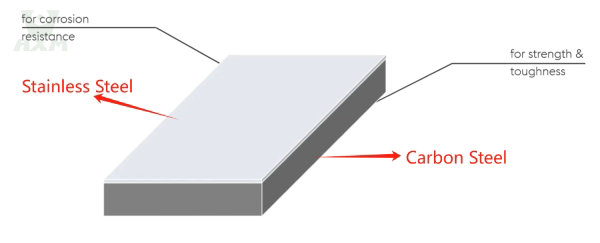
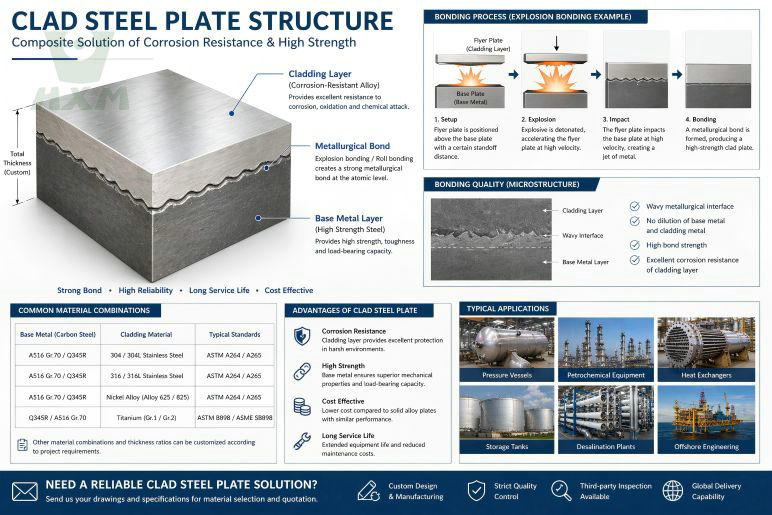
Clad stainless steel is a composite metal material made by combining a thin outer layer of stainless steel with a stronger, usually cheaper base material (such as carbon steel or alloy steel) through a cladding process. This fusion gives the material the corrosion resistance of stainless steel with the strength, machinability, and cost-effectiveness of the base material.
It is widely used in environments that require both durability and chemical resistance, such as pressure vessels, chemical storage tanks, and heat exchangers.
Serving over 50 countries. Shipping over 1000 tons of clad steel per year.
At Huaxiao Metal, we provide both explosion bonded and roll bonded clad plates with stable quality and reliable performance.
Need bulk clad stainless steel with guaranteed delivery times and competitive prices? Request a quote now – our sales team will respond within 24 hours.
Manufacturing Processes of Clad Stainless Steel
There are two widely used manufacturing methods to produce clad stainless steel:
1. Hot-Roll Bonding
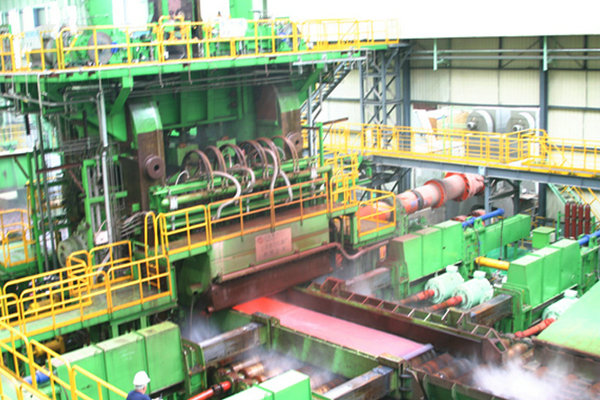
Involves rolling two or more metals together at high temperatures and pressure.
Common for large-volume production.
Ensures high-strength metallurgical bonding.
2. Explosion Bonding
Uses a controlled explosion to instantly bond dissimilar metals.
Ideal for bonding corrosion-resistant alloys to tough structural bases.
Suitable for custom or specialty applications.
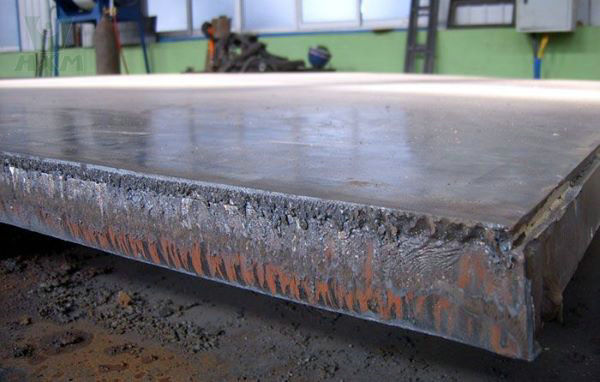
Explosive Bonding VS Hot Bonding VS Cold Bonding
In modern metal manufacturing, clad plates, or bimetallic plates, play an essential role in industries such as petrochemical, pressure vessels, shipbuilding, and power generation. The
Need help choosing the right cladding method? Our engineers at Huaxiao Metal provide free technical support based on your application and budget.
Send us your specifications now and we’ll provide you with a cladding process recommendation and quote within 24 hours.
Things To Note When Stainless Steel Cladding
While clad stainless steel offers cost and performance advantages, there are still several key factors to consider during material selection and application:
Clad Thickness Ratio: Make sure the stainless steel layer is thick enough to provide corrosion protection, but not too thick to unnecessarily increase costs. Standard thickness ratios range from 10/90 to 20/80 (stainless steel/substrate). The thickness of the cladding layer should be at least half the thickness of the parent material.
Welding and Forming: Clad plates require specific welding methods to avoid delamination. Check with your supplier for welding compatibility and edge cladding requirements.
Service Conditions: Know your environment – is it acidic, alkaline, or hot? Select the appropriate stainless steel grade (e.g., 316L, 2205, Incoloy) accordingly.
Bond Strength and Integrity: Make sure the manufacturer provides shear strength, peel testing, and ultrasonic testing.
Compliance with International Standards: Be sure to check for compliance with ASTM, ASME, EN, or GB standards depending on the project location.
Have questions about clad layer thickness, grade, or welding compatibility? Please contact Huaxiao Metal, our technical engineers will provide you with a free consultation.
Advantages of Clad Stainless Steel
| Feature | Clad Stainless Steel | Solid Stainless Steel |
|---|---|---|
| Corrosion Resistance | Excellent (via stainless steel layer) | Excellent |
| Strength & Load Capacity | High (due to carbon steel base) | Moderate |
| Cost | More economical | Expensive |
| Weldability | Easier due to composite structure | Can be complex |
| Customizability | High (layer combinations possible) | Limited |
Composite stainless steel is the future of industrial design – combining corrosion resistance and mechanical strength at a very competitive price. Whether you are an engineer, project purchaser or distributor, understanding how composite metals work will help you make more informed material decisions.
Looking for high-quality composite stainless steel?
Contact Huaxiao Metal today.
Where Is Clad Stainless Steel Used?
Clad stainless steel is used in a wide range of industries, including:
Chemical and Petrochemical Processing – Reactors, columns, and tanks
Water Treatment & Desalination Plants – Corrosion-resistant piping and walls
Power and Nuclear Industries – Pressure vessels and steam lines
Oil & Gas Industry – Clad pipes, separators, and pressure heads
Flue Gas Desulfurization Systems – High acid resistance needed
These applications benefit from the chemical resistance of stainless steel without the high material cost of using stainless alone.
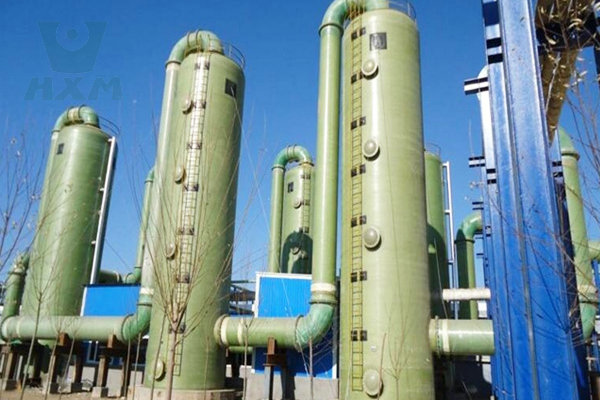
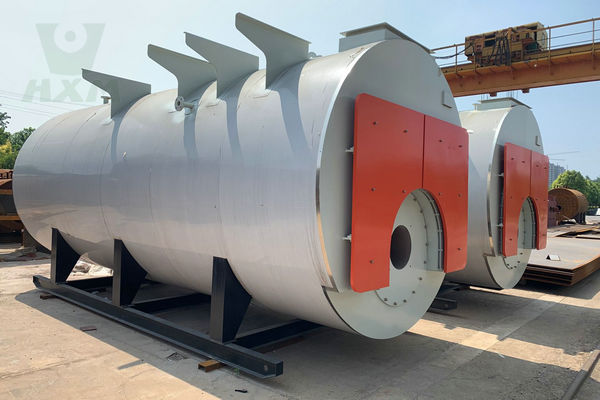
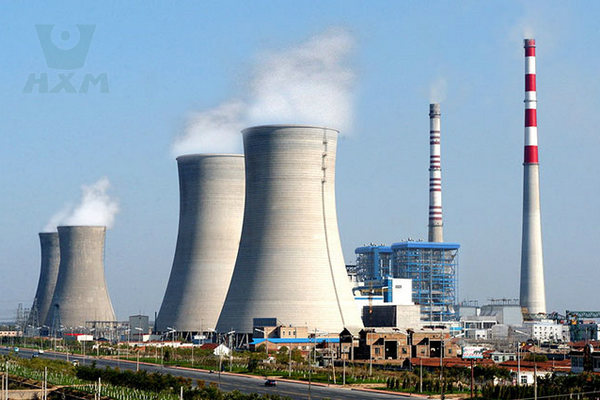
Not sure if clad stainless steel is right for your application? Send us your project specifications and we’ll get back to you with a competitive price within 24 hours.
Common Material Combinations
| Cladding Material | Base Material | Typical Use Cases |
|---|---|---|
| 304 / 316L | Q235B / SA516Gr70 | Tanks, vessels, heat exchangers |
| 2205 Duplex | Alloy Steel | Offshore, marine, pressure equipment |
| Inconel / Monel | Carbon Steel | Chemical, high-temperature environments |
Clad stainless steel plates, composite sheets, and clad coils, tubes can all be customized based on application needs.
How to Choose the Right Clad Plate
When selecting a clad steel plate, engineers typically consider:
1. Base Material
- A516 Gr.70 → pressure vessels
- Q345R → storage tanks
2. Cladding Material
- 304 / 304L → general corrosion
- 316 / 316L → chemical environments
- 2205 Duplex → high corrosion + strength
3. Cladding Ratio
- Typically 3%–20%
- Depends on corrosion requirements
4. Bonding Method
- Explosion bonding → high-performance applications
- Roll bonding → cost-effective solutions
👉 Not sure which combination to use? Send your working conditions – we will recommend the best solution
Typical Clad Plate Solutions
| Application | Material Combination |
|---|---|
| Pressure Vessel | A516 + 316L |
| Storage Tank | Q345R + 304 |
| Heat Exchanger | A516 + 304L |
👉 Every project is different – contact us for customized solutions
How to Choose a Clad Stainless Steel Supplier?
When sourcing clad stainless steel, Huaxiao Metal suggests that you select the manufacturer of the composite sheets based on the following factors:
Customizable clad layer materials and thicknesses
Experience with both hot roll and explosive bonding
Global quality certifications (ISO, ASTM, ASME, EN, GB)
In-house testing: ultrasonic, shear strength, corrosion resistance
OEM/ODM capability and competitive export logistics
Base Material: A516 / Q345R
Cladding Material: 304 / 316L / Duplex
Cladding Ratio: 3%–20%
Bonding Method: Explosion or Roll
Huaxiao Metal is a trustworthy stainless steel composite manufacturer and supplier that supports customization of product size and shape, and has a large number of products in stock and can be delivered at any time.
👉 Not sure? Huaxiao Metal engineers can recommend the best solution
Contact us immediately to obtain our inventory information and stainless steel clad plate prices, etc.
FAQ
What is clad stainless steel?
Clad stainless steel is a composite material made by combining layers of stainless steel with layers of another metal (such as carbon steel) through a special process to combine the advantages of both materials.
What are the manufacturing methods for clad stainless steel?
There are two main manufacturing methods: hot rolling bonding and explosive bonding. Hot rolling bonding combines two metal sheets using heat and pressure, making it suitable for large-scale production; explosive bonding uses the instantaneous high pressure generated by an explosion to combine the materials, making it suitable for specialized or custom applications.
What are the main advantages of clad stainless steel?
Compared to traditional solid stainless steel, the main advantages of clad stainless steel are lower cost, higher strength, and good weldability. It leverages the corrosion resistance of stainless steel with the cost-effectiveness and mechanical properties of the base metal.
What base metals are commonly used in clad stainless steel, and how do they affect performance?
Typical substrates include carbon steel, low-alloy steel, and aluminum alloys. Carbon steel provides strength and affordability; aluminum alloys reduce weight, making them ideal for lightweight applications. The choice depends on strength, cost, and weight requirements.
What stainless steels are commonly used for the surface layer?
Common grades include 304 and 316. Grade 304 is cost-effective and suitable for general corrosion resistance, while grade 316 contains molybdenum, offering superior performance in marine and chemical environments.
What should be considered during machining or welding?
Welding may damage the protective stainless surface, so post-weld pickling and passivation are recommended. During machining, account for differences in hardness between layers to prevent defects.
How does the lifespan of clad stainless steel compare to solid stainless steel?
It offers great cost-effectiveness and good performance in normal use. However, if the stainless surface is damaged and exposes the substrate, localized corrosion may occur. Regular inspection is important. Pure stainless steel generally lasts longer but costs more.
Can clad stainless steel be used in harsh environments such as marine or chemical industries?
Yes, but only with high-grade stainless surfaces (such as 316) and ensuring surface integrity. In extremely corrosive conditions, solid high-grade stainless or non-ferrous metals are still recommended.
What factors should I consider when selecting a clad stainless steel supplier?
When selecting a supplier, consider whether it offers customization options, has extensive manufacturing experience, holds relevant quality certifications, and has in-house testing capabilities to ensure product quality.
How to get a quote from Huaxiao Metal?
Send your specifications or drawings, and Huaxiao Metal will provide a technical proposal within 24 hours.
Looking for a Reliable Clad Steel Plate Supplier?
Huaxiao Metal is your trusted partner for clad steel plates in demanding industrial environments.
✔ Competitive Pricing
✔ Fast Delivery
✔ Engineering Support
👉 Contact Huaxiao Metal today and get expert support for your project