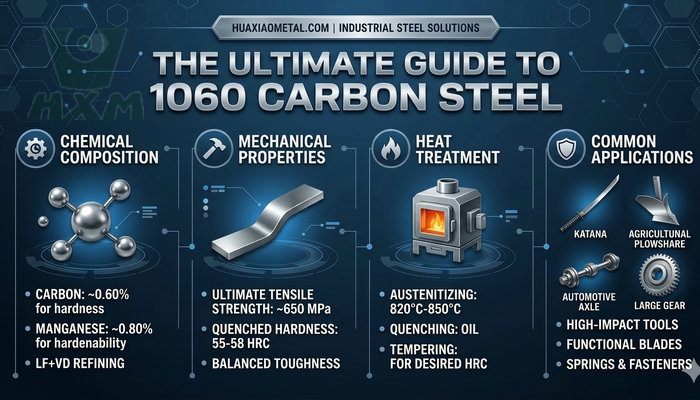
When engineers and manufacturers look for a medium-high carbon steel with good strength and wear resistance, 1060 carbon steel is often a top choice. Known for its balanced mechanical properties and excellent heat treatment response, this steel grade is widely used in industrial machinery, springs, agricultural equipment, and mechanical components.
Because of its carbon content of around 0.60%, 1060 steel can achieve significantly higher hardness compared with lower carbon steels such as 1045 steel. At the same time, it remains relatively affordable compared with alloy steels.
This guide provides a complete overview of AISI 1060 steel, including its chemical composition, mechanical properties, heat treatment methods, corrosion resistance, applications, and sourcing recommendations for buyers.
What Is 1060 Carbon Steel?
1060 steel belongs to the AISI/SAE carbon steel classification system. The number “60” represents a carbon content of approximately 0.60%, placing it in the medium-high carbon steel category.
Compared with low-carbon steels, 1060 steel offers:
- Higher hardness
- Better wear resistance
- Good strength after heat treatment
- Moderate toughness
These characteristics make it a preferred material for components requiring durability and resistance to mechanical stress.
1060 Steel
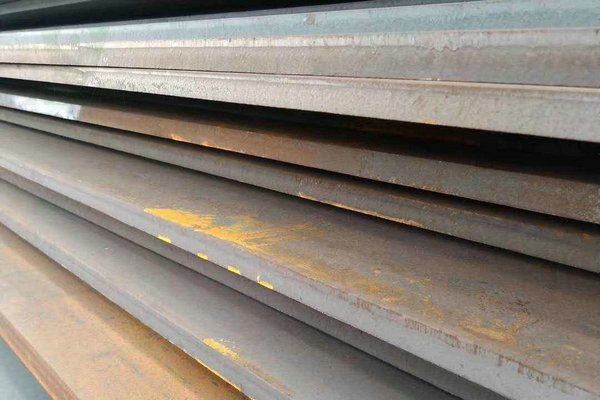
AISI 1060 Steel Suppliers and Manufacturer AISI 1060 carbon steel is a medium-to-high carbon steel with a carbon content of approximately 0.60%. Compared to medium
1060 Carbon Steel Chemical Composition
The performance of 1060 steel is determined by its chemical composition.
| Element | Content (%) |
|---|---|
| Carbon (C) | 0.55 – 0.66 |
| Manganese (Mn) | 0.60 – 0.90 |
| Phosphorus (P) | ≤0.040 |
| Sulfur (S) | ≤0.050 |
Role of Key Elements
Carbon
Carbon increases the hardness and strength of the steel. With around 0.60% carbon, 1060 steel can achieve excellent hardness after quenching.
Manganese
Manganese enhances strength, wear resistance, and hardenability.
Mechanical Properties of 1060 Steel
The mechanical performance of 1060 carbon steel varies depending on processing and heat treatment.
| Property | Typical Value |
|---|---|
| Tensile Strength | 620 – 800 MPa |
| Yield Strength | ~355 MPa |
| Hardness | 170 – 250 HB |
| Elongation | 10 – 15% |
After heat treatment, the hardness can increase significantly, making the material suitable for wear-resistant parts.
Physical Properties of 1060 Carbon Steel
| Property | Value |
|---|---|
| Density | 7.85 g/cm³ |
| Elastic Modulus | 207 GPa |
| Thermal Conductivity | 49 W/m·K |
| Melting Point | 1495–1525°C |
These physical characteristics make 1060 steel suitable for high-load mechanical applications.
1060 Steel Heat Treatment Guide
One of the major advantages of 1060 carbon steel is its excellent heat treatment capability.
Annealing
Annealing softens the steel and improves machinability.
Typical parameters:
Temperature: 800–830°C
Cooling method: furnace cooling.
This process reduces internal stress and hardness.
Quenching
Quenching significantly increases hardness.
Typical parameters:
Heating temperature: 820–860°C
Cooling medium:
- Water
- Oil
After quenching, the steel becomes much harder but also more brittle.
Tempering
Tempering improves toughness and reduces brittleness after quenching.
Typical parameters:
Temperature: 400–650°C
The final mechanical properties depend on the chosen tempering temperature.
Is 1060 Carbon Steel Corrosion Resistant?
A common question from buyers is whether 1060 steel has corrosion resistance.
Because 1060 steel is a plain carbon steel, it does not contain chromium, which means it does not have natural corrosion resistance like stainless steel.
However, corrosion can be controlled through several methods.
Common Surface Protection Methods
Oil coating
Painting
Powder coating
Electroplating
Phosphate treatment
Storage and Maintenance
For long service life:
Store in dry environments
Apply anti-rust oil
Avoid exposure to moisture
With proper protection, 1060 steel can perform well in many industrial environments.
Common Applications of 1060 Steel
Because of its strength and wear resistance, 1060 carbon steel is widely used in multiple industries.
Machinery Manufacturing
Typical parts include:
Shafts
Gears
Connecting rods
Machine components
Automotive Industry
Common uses include:
Axles
Mechanical parts
Suspension components
Agricultural Equipment
1060 steel is widely used for:
Plow components
Cultivator blades
Agricultural machinery parts
Tool Manufacturing
Due to its hardness, it is also used for:
Hand tools
Cutting tools
Industrial hardware
Available Forms of 1060 Steel
We provide 1060 carbon steel in multiple profiles and customized forms to suit every stage of your production.
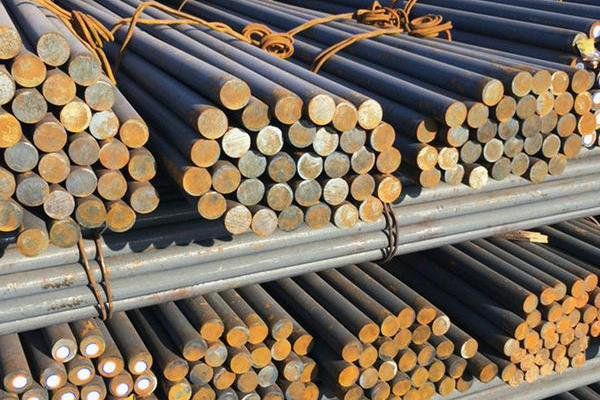
1. 1060 Steel Round Bars & Flat Bars
Size Range: 10mm to 800mm in diameter.
Condition: Hot rolled, cold drawn, or centerless ground.
Best For: Shafts, axles, and tool handles requiring precise tolerances.
2. 1060 Steel Plates & Sheets
Thickness: 0.5mm to 100mm.
Condition: Annealed for easy machining or pre-hardened for wear resistance.
Best For: Agricultural disks, industrial scraper blades, and large structural brackets.
3. 1060 Steel Forgings (NEW & High Demand)
Custom Shapes: Forged rings, blocks, stepped shafts, and custom-shaped dies.
The Forging Advantage: Our forging process refines the internal grain structure of 1060 steel, eliminating internal porosity and significantly increasing fatigue resistance and impact toughness.
Best For: Heavy-duty gears, high-impact forging hammers, and critical aerospace/automotive components.
How to Choose a Reliable 1060 Steel Supplier
When you source from us, you aren’t just getting raw material; you’re getting a production-ready solution.
Inventory: Round bars, flat bars, and plates in stock.
Customization: Precision cutting (Laser/Water-jet) and custom forging.
Global Logistics: Seaworthy packaging with VCI anti-rust protection.
Get Your 1060 Steel Quote Today
Stop dealing with inconsistent material quality. Partner with a supplier that understands your engineering needs.
FAQ About 1060 Carbon Steel
What is 1060 steel used for?
1060 steel is commonly used for springs, gears, shafts, agricultural tools, and wear-resistant mechanical components.
Can 1060 steel be heat treated?
Yes. 1060 steel responds well to quenching and tempering, allowing manufacturers to significantly improve hardness.
Is 1060 steel good for tools?
Yes. After heat treatment, it offers good hardness and wear resistance, making it suitable for some tools and mechanical parts.
In Conclusion:
1060 carbon steel is a versatile medium-high carbon steel known for its strength, hardness, and wear resistance. Because it responds well to heat treatment, it is widely used in machinery manufacturing, automotive components, agricultural equipment, and industrial tools.
Although it does not have natural corrosion resistance like stainless steel, proper surface protection and maintenance can ensure long-term durability.
For buyers looking for reliable and cost-effective carbon steel, 1060 steel remains an excellent choice for many industrial applications.
Please click on our 1060 steel product page.