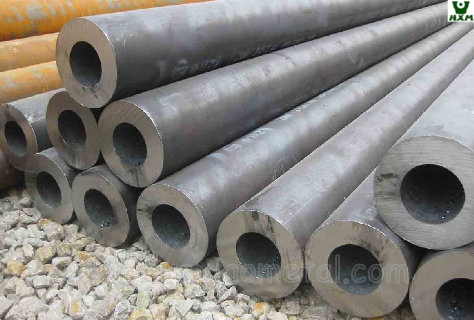
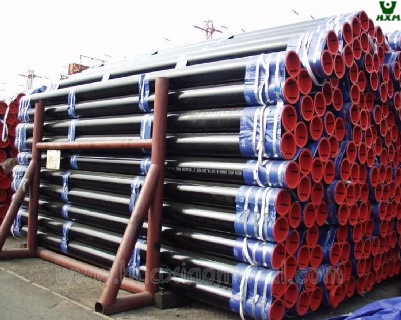
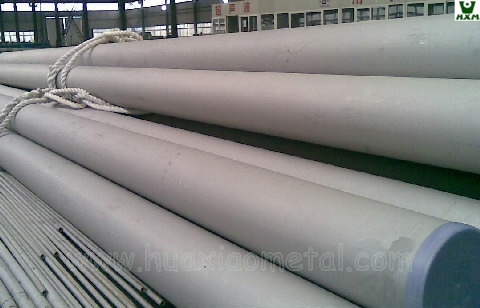
Carbon steel pipe is a cornerstone of modern infrastructure, used extensively in industries such as oil and gas, construction, and manufacturing. Given its critical role, it is vital to ensure that these pipes meet stringent quality and performance standards. The American Society for Testing and Materials (ASTM) has developed a series of standards specifically for carbon steel pipe to ensure its reliability, safety, and compatibility in a variety of applications. In this blog, we will take a deep dive into the main ASTM standards for carbon steel pipe, their importance, and the impact they have on the industry.
What Are ASTM Standards?
ASTM International is a globally recognized organization that develops and publishes technical standards for a wide range of materials, products, systems, and services. These standards are developed through a consensus process among industry experts, manufacturers, and regulatory agencies. For carbon steel pipe, ASTM standards define the chemical composition, mechanical properties, dimensions, test methods, and other key parameters to ensure consistency and quality.
At Huaxiao Metal, we supply ASTM-compliant carbon steel pipes for global EPC contractors, distributors, and industrial buyers.
Main ASTM Carbon Steel Pipe Standards (Quick Comparison)
| Standard | Type | Key Feature | Typical Application |
|---|---|---|---|
| ASTM A53 | Welded / Seamless | General purpose | Water, gas, structural |
| ASTM A106 | Seamless | High temperature | Oil & gas, boiler |
| ASTM A333 | Welded / Seamless | Low temperature | Cryogenic pipelines |
| ASTM A500 | Structural | High strength | Buildings, bridges |
| ASTM A672 | Welded | High pressure | Power plants |
👉 These standards define performance across temperature, pressure, and structural needs.
Key ASTM Standards for Carbon Steel Pipes
Several ASTM standards are specific to carbon steel pipe, each addressing a different aspect of its production and use. Here are some of the most widely recognized standards:
ASTM A53/A53M – Standard Specification for Steel Pipe, Black and Hot-Dip Galvanized, Welded and Seamless
Scope: This standard covers seamless and welded black and hot-dip galvanized steel pipe in nominal sizes from NPS 1/8 to NPS 26.
Grades: ASTM A53 pipe is available in three grades: Grade A, Grade B, and Grade C, with Grade B being the most commonly used due to its higher tensile strength.
Applications: These pipes are widely used in structural applications, piping, and low-pressure steam systems.
ASTM A106/A106M – Standard Specification for Seamless Carbon Steel Pipe for High-Temperature Service
Scope: This standard applies to seamless carbon steel pipes designed for high-temperature services, such as power plants and refineries.
Grades: ASTM A106 pipe is available in three grades: A, B, and C, with B being the most commonly used.
Applications: Suitable for use in high-temperature and high-pressure environments, including steam, water, and gas transport.
ASTM A333/A333M – Standard Specification for Seamless and Welded Steel Pipe for Cryogenic Service
Scope: This standard covers seamless and welded carbon and alloy steel pipe designed for cryogenic service.
Grades: ASTM A333 pipe is available in several grades, including Grade 6, which is designed for cryogenic applications.
Applications: Commonly used in cryogenic systems, refrigeration, and other cryogenic environments.
ASTM A500/A500M – Standard Specification for Cold-Formed Welded and Seamless Carbon Steel Structural Pipe, Round and Shaped
Scope: This standard covers cold-formed welded and seamless carbon steel pipe in round, square, rectangular, and other shapes.
Grades: ASTM A500 pipe is available in four grades: A, B, C, and D, with varying yield and tensile strengths.
Applications: Used primarily in structural applications such as building frames, bridges, and machinery.
ASTM A672/A672M – Standard Specification for Electric Fusion-Welded Steel Pipe for Moderate-Temperature and High-Pressure Service
Scope: This standard covers electric fusion-welded steel pipe designed for moderate-temperature and high-pressure service.
Grades: ASTM A672 pipe is available in several grades, each tailored for specific pressure and temperature requirements.
Applications: Commonly used in power plants, chemical plants, and other high-pressure systems.
ASTM A53 vs A106 vs A333
| Feature | A53 | A106 | A333 |
|---|---|---|---|
| Pipe Type | Welded + Seamless | Seamless only | Both |
| Temperature | Low | High | Low / Cryogenic |
| Pressure | Medium | High | Medium |
| Cost | Lower | Higher | Medium |
| Best Use | Construction | Oil & Gas | LNG / Cold |
✔ How to choose:
- General construction → A53
- High temperature / pressure → A106
- Low temperature / LNG → A333
ASTM vs API vs EN Standards
| Standard | Region | Typical Use |
|---|---|---|
| ASTM | USA / Global | General industrial |
| API 5L | Oil & Gas | Pipeline transmission |
| EN 10216 | Europe | Pressure systems |
| JIS | Japan | Precision applications |
👉 ASTM is the most widely used standard globally.
Seamless vs Welded ASTM Pipes
Seamless Pipe
- Higher pressure resistance
- Better for oil & gas
Welded Pipe
- Lower cost
- Suitable for structural use
Why Are ASTM Standards Important?
ASTM standards play a vital role in ensuring the quality, safety, and performance of carbon steel pipes. Here are some of the key reasons why these standards are indispensable:
1. Consistency and Quality Control
ASTM standards provide clear guidelines for the chemical composition, mechanical properties, and manufacturing processes of carbon steel pipe. This ensures that pipes produced by different manufacturers meet the same high-quality standards, promoting consistency across the industry.
2. Safety and Reliability
Carbon steel pipe is often used in critical applications, such as oil and gas pipelines, where failure can have catastrophic consequences. ASTM standards help ensure that these pipes can withstand the required pressures, temperatures, and environmental conditions, minimizing the risk of accidents.
3. Interchangeability
By adhering to ASTM standards, manufacturers can ensure that their pipes are compatible with other components and systems. This interchangeability is critical for large projects involving multiple suppliers and contractors.
4. Regulatory Compliance
Many industries are subject to strict regulatory requirements, and adhering to ASTM standards is often a prerequisite for obtaining necessary certifications and approvals.
5. Global Recognition
ASTM standards are recognized and adopted globally, making it easier for manufacturers to export products and for buyers to source materials from international suppliers.
Why Choose Huaxiao Metal
At Huaxiao Metal, we provide:
Full ASTM Range
- A53 / A106 / A333 / A500
- Seamless & welded
Export Experience
- Middle East
- South America
- Europe
Inventory Advantage
- Fast delivery
- Flexible MOQ
Certifications
- ASTM / ASME / ISO
👉 Contact us now for pricing, stock availability, and technical support
FAQ – ASTM Standards for Carbon Steel Pipes
What is the most commonly used ASTM pipe?
ASTM A106 Grade B is the most widely used for high-temperature applications.
What is the difference between ASTM A53 and A106?
A53 can be welded or seamless, while A106 is seamless and designed for high-temperature service.
Is ASTM pipe suitable for oil and gas?
Yes, especially ASTM A106 and API 5L pipes for high-pressure environments.
Which ASTM pipe is best for low temperature?
ASTM A333 is specifically designed for cryogenic and low-temperature conditions.
Can ASTM pipes be used globally?
Yes, ASTM standards are internationally recognized and widely used in global projects.
Recommended Articles

Schedule 80 Carbon Steel Pipe
Schedule 80 Carbon Steel Pipe Factory and Manufacturer For decades, Huaxiao Metal has been supplying high-quality Schedule 80 Carbon Steel Pipe in a variety of

Schedule 40 Carbon Steel Pipe
Schedule 40 Carbon Steel Pipe Factory and Manufacturer For decades, Huaxiao Metal has been supplying high-quality Schedule 40 Carbon Steel Pipe in a variety of
JIS/Japanese Standard
Carbon Steel Pipes for JIS Standard In the global market, Japanese standard carbon steel pipes are the first choice for many industries due to their
EN/European Standard
Carbon Steel Pipes for EN Standard We supply high-quality carbon steel pipes that meet EU standards and are widely used in construction, industry, and machinery.
BS/British Standard
Carbon Steel Pipes for BS/British Standard Are you looking for reliable carbon steel pipes that meet BS/British Standards? At Huaxiao Metal, we offer high-quality carbon
DIN/German Standard
Carbon Steel Pipes for DIN/Germany Standard Are you looking for high-quality carbon steel pipes that meet DIN/German standards? At Huaxiao, we specialize in providing carbon
ASTM/ASME Standard
Carbon Steel Pipes for ASTM/ASME Standard Need high-quality carbon steel pipe that meets ASTM/ASME standards? Huaxiao Metal offers premium carbon steel pipe that fully complies
API SPEC 5L/7/11B/11E
Carbon Steel Pipes for API SPEC 5L 7 11B 11E Looking for API SPEC 5L, 7, 11B, 11E Carbon Steel Pipe manufacturers and suppliers? At
API SPEC 5CT/5D/6A/6D
Carbon Steel Pipes for API SPEC 5CT/5D/6A/6D Are you looking for a reliable China carbon steel pipe supplier and manufacturer that meets API SPEC 5CT,