[email protected]

24/7 Customer Support

+86-13761906384

24/7 Customer Support

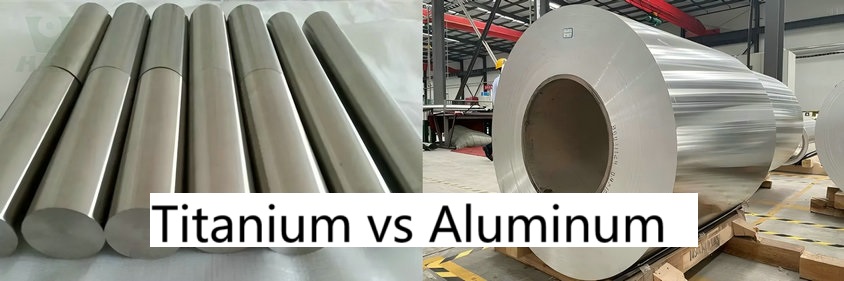
Titanium vs Aluminum

When choosing between titanium vs aluminum, it is important to understand the differences in weight, strength, corrosion resistance, and applications. Both metals are widely used in industries such as aerospace, automotive, and construction, but each has unique advantages and limitations. In this blog, we will compare titanium and aluminum from various aspects to help you decide which one is best for your needs.

What Is Titanium Alloy?

Titanium Alloy Bar Suppliers

Titanium Alloy

Titanium Alloy Supplier: Grade 1-5 & Ti-6Al-4V Bars, Sheets, Plates | Huaxiao Metal Huaxiao Metal is a premier titanium alloy manufacturer and supplier with ISO9001
Read More »

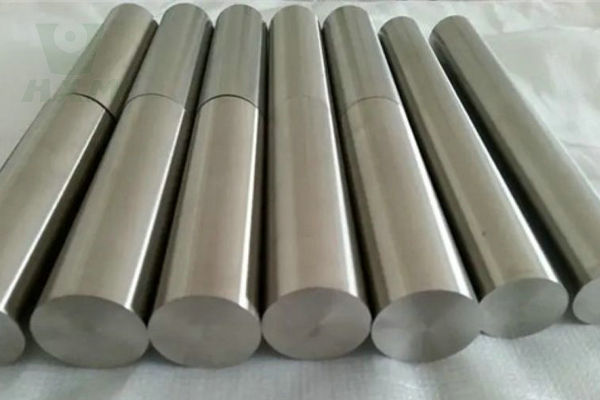
Titanium alloy is an alloy material formed by the combination of titanium and aluminum, molybdenum, vanadium and other elements. It has high strength, low density, excellent corrosion resistance and high temperature resistance. Due to these characteristics, titanium alloys are widely used in aerospace, medical, military, chemical and marine engineering. Common titanium alloys include α, β and α+β types, among which Ti-6Al-4V (6% aluminum, 4% vanadium) is one of the most widely used titanium alloys.

If you want to know more about the specific classification and application of aluminum alloys or titanium alloys, please contact us!

What Is Aluminum Alloy?

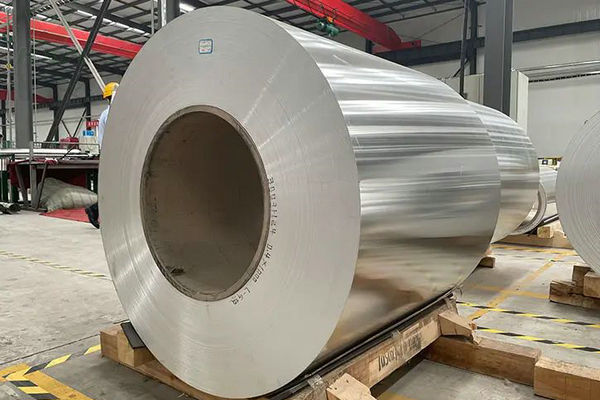
Aluminum alloys are alloy materials formed by mixing aluminum with other metals (such as copper, magnesium, silicon, zinc, etc.) or non-metallic elements. Compared with pure aluminum, aluminum alloys have higher strength, hardness and corrosion resistance while still maintaining a lighter weight. Aluminum alloys are widely used in industries such as aerospace, automobiles, construction, and electronic equipment. Common aluminum alloy categories include 2xxx, 5xxx, 6xxx, and 7xxx series, of which 6061 and 7075 are the most common high-performance aluminum alloys.

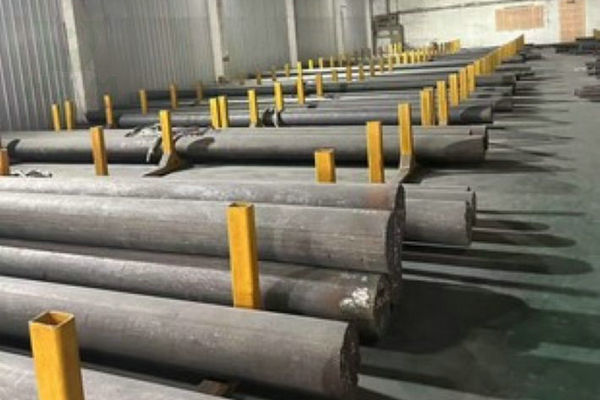
Aluminum Coil Suppliers, Aluminum Coils, Aluminum Coil Manufacturer, Aluminum Coil Factory, 16 Gauge Aluminum

Aluminium Metal

Aluminium Metal Suppliers | Manufacturers Trusted aluminum solutions for your business needs Reliable delivery of high-quality aluminum sheet/coil/strip/tube/wire/bar Get A Quote Looking for a reliable
Read More »

Titanium vs Aluminum: Key Differences

Aluminium vs Titanium – Material Property Comparison

Below is a detailed comparison of aluminium alloys and titanium alloys based on Material, Condition, Process, Tensile Strength, Elongation, and Hardness.

MaterialConditionProcessTensile Strength (MPa)Elongation (%)Hardness (HB)
6061 AluminiumT6 (Heat Treated)Extrusion, Rolling, Forging310–3508–1295–105
7075 AluminiumT6 (Heat Treated)Extrusion, Rolling, Forging560–5707–10150–160
5052 AluminiumH32 (Strain Hardened)Rolling, Stamping230–26010–1260–70
2024 AluminiumT3 (Solution Heat Treated)Extrusion, Rolling430–50010–15120–140
Ti-6Al-4V (Grade 5 Titanium)AnnealedForging, Machining, 3D Printing900–110010–15320–380
Grade 2 Titanium (Pure Ti)AnnealedRolling, Welding340–41020–30150–200
Ti-3Al-2.5V (Grade 9 Titanium)AnnealedForging, Machining620–70015–25250–300
Ti-6Al-2Sn-4Zr-6MoAnnealedForging, Heat Treatment1050–120010–15350–400

Weight Comparison: Is Titanium Lighter Than Aluminum?

One of the most common questions is, Is titanium lighter than aluminum? The answer is no. Titanium is actually heavier than aluminum. The density of titanium is about 4.5 g/cm³, while aluminum has a density of 2.7 g/cm³. This means that aluminum is roughly 40% lighter than titanium, making it a preferred choice for applications where weight reduction is critical.

Titanium vs Aluminum: Strength and Durability

Although aluminum is lighter, titanium is significantly stronger. Titanium has a higher tensile strength (approximately 434 MPa for pure titanium and up to 1,100 MPa for titanium alloys), whereas aluminum alloys typically have a tensile strength between 200 MPa and 600 MPa. This makes titanium a better option for applications requiring extreme durability, such as aircraft frames and medical implants.

Titanium vs Aluminum: Corrosion Resistance

Both titanium and aluminum have excellent corrosion resistance, but titanium performs better in harsh environments. Titanium forms a strong, protective oxide layer that resists corrosion even in saltwater and acidic conditions. Aluminum, while also resistant to corrosion, is more prone to oxidation and pitting, especially in marine or highly acidic environments.

Titanium vs Aluminum: Cost Comparison

Titanium is much more expensive than aluminum due to its complex extraction and manufacturing processes. Aluminum is more abundant and easier to process, making it the more cost-effective option for general applications. If budget constraints are a concern, aluminum is the better choice.

Titanium vs Aluminum: Machinability and Fabrication

Aluminum is easier to machine, cut, and weld compared to titanium. Titanium is notorious for being difficult to machine due to its hardness and low thermal conductivity, which can lead to tool wear and overheating during processing. Aluminum, on the other hand, is much more malleable and can be shaped with less effort.

Applications of Titanium vs Aluminum

Feature

Titanium

Aluminum

Weight

Heavier than aluminum

Lightweight

Strength

Stronger and more durable

Moderate strength

Corrosion Resistance

Excellent (even in extreme environments)

Good but susceptible to pitting

Cost

Expensive

More affordable

Machinability

Difficult to machine

Easy to machine and fabricate

When to Choose Titanium

  • Aerospace components requiring high strength and corrosion resistance.

  • Medical implants like bone screws and hip replacements.

  • High-performance automotive parts in racing or military vehicles.

  • Marine applications where exposure to saltwater is constant.

When to Choose Aluminum

  • Aircraft fuselage and body panels where weight is crucial.

  • Consumer electronics like laptops and smartphones.

  • Automotive parts in standard vehicles for fuel efficiency.

  • Construction materials for buildings and infrastructure.

How to Tell Titanium vs Aluminum?

If you need to differentiate between titanium and aluminum, here are some methods:

  • Weight Test: Titanium is heavier than aluminum. If you have two similar-sized metal pieces, the heavier one is likely titanium.

  • Magnet Test: Both metals are non-magnetic, so this test won’t work for identification.

  • Color and Surface Appearance: Titanium typically has a darker gray color, while aluminum has a shinier silver appearance.

  • Spark Test: When ground against a wheel, aluminum produces little to no sparks, while titanium produces bright white sparks.

  • Scratch Test: Titanium is much harder than aluminum and will resist scratches better.

In Conclusion:

Choosing between titanium and aluminum depends on your specific needs. If you require a lightweight, cost-effective material, aluminum is an excellent choice. However, if strength, durability, and corrosion resistance are your top priorities, titanium is the superior option despite its higher cost. Understanding these differences can help you make informed decisions for your applications.

Looking for high-quality titanium or aluminum materials? Contact us today for expert guidance and competitive pricing!

Huaxiao Special Alloy Steel Products

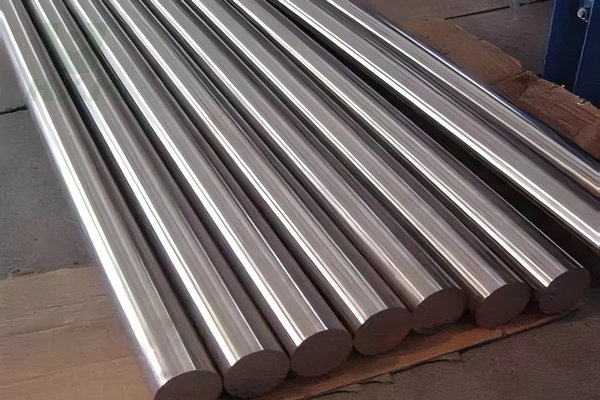
Inconel 625 Alloy Tube Stock

Inconel 625

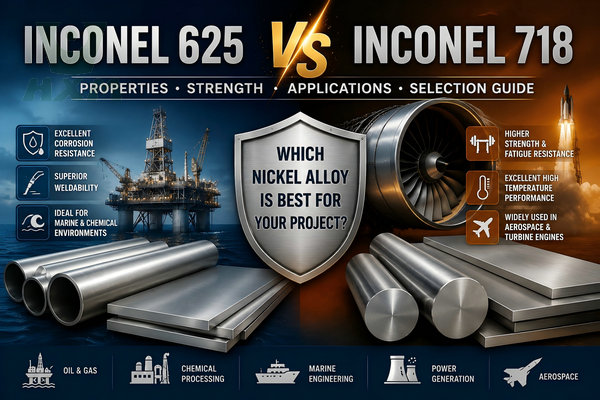
Inconel 625 (UNS N06625 / 2.4856) — The Corrosion Champion of Nickel Superalloys Best Seller — Best Corrosion Resistance Huaxiao Metal supplies Inconel 625 sheet,
Read More »
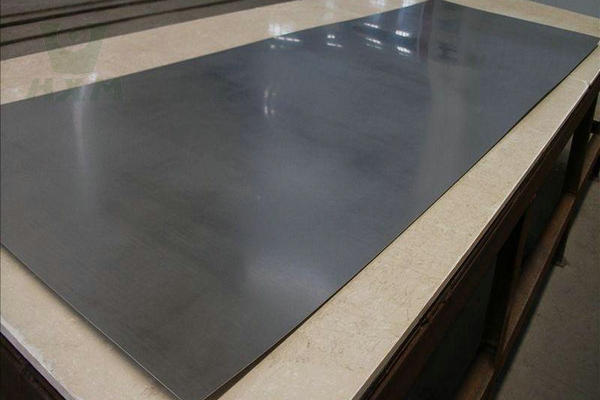
Finished 13-8 Mo stainless steel bright bars centerless ground AMS 5629

13-8 Mo Stainless Steel

13-8 Mo Stainless Steel Bar, Plate & Forging Supplier AMS 5629 / UNS S13800 / 1.4534 High-Strength PH Stainless Steel Huaxiao Metal supplies high-performance 13-8
Read More »
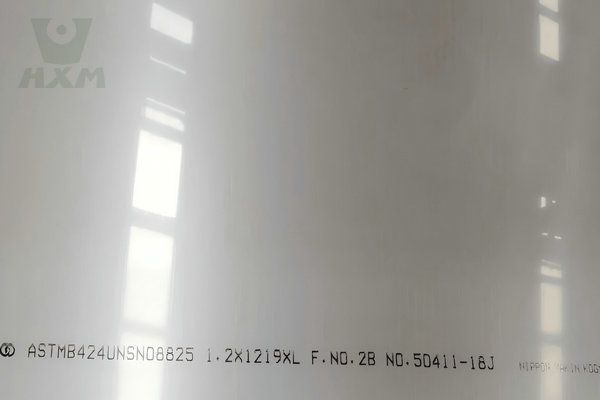
Incoloy Alloy 925 Bar

Incoloy Alloy 925

Incoloy Alloy 925 (UNS N09925) – Sheets, Plates, Bars, Pipes, Coils, Strips, Wires High-Strength Corrosion-Resistant Nickel Alloy Supplier & Manufacturer Incoloy 925 is a precipitation
Read More »
Incoloy Alloy 825 Sheet, Incoloy Metal Sheet

Incoloy 825

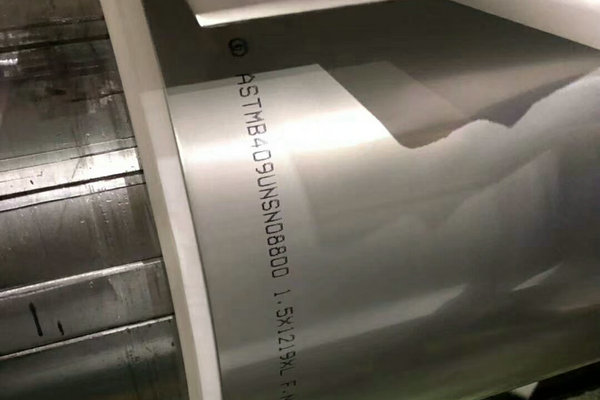
Incoloy 825 Alloy (UNS N08825) – Sheets, Plates, Bars, Pipes, Coils, Strips, Wires Corrosion Resistant Nickel-Iron-Chromium Alloy Supplier & Manufacturer Incoloy 825 alloy (UNS N08825)
Read More »
Incoloy 800 Suppliers, Incoloy 800 Prices

Incoloy 800

Incoloy 800 Alloy – Sheets, Plates, Bars, Pipes, Coils, Strips, Wires Incoloy 800 is part of our Incoloy alloy product range, which includes various nickel-iron-chromium

Read More »
Molybdenum Pipe

Molybdenum Metal & Alloys

Molybdenum Metal & Alloys Products – High-Quality Suppliers & Manufacturers | Huaxiao Metal Molybdenum-based materials—whether in the form of pure molybdenum metal, molybdenum alloys, or
Read More »

Share:

Facebook
Twitter
Pinterest
LinkedIn

Contact Us For Metal Prices

Table of Contents

On Key

Related Posts

Welcome