
Choosing the right stainless steel grade is crucial in industrial manufacturing and engineering projects. The wrong choice can lead to project failure, increased maintenance costs, and even safety hazards. Faced with a dazzling array of stainless steel materials on the market, how can you make an informed decision?
As metal materials experts with over 15 years of industry experience, we offer this comprehensive guide to stainless steel grade selection. This article will delve into stainless steel classifications, compare the performance of common materials, and provide practical selection steps and purchasing advice to help you make the most informed decision.
The Ultimate Analysis of Stainless Steel Grades: Understanding the Secrets Behind the Numbers
Understanding the naming conventions for stainless steel is the first step in selecting the material. The most commonly used naming system in the world is the AISI/ASTM standard, which is usually represented by three digits.
| Grade | Main Characteristics | Typical Applications |
|---|---|---|
| 201 | Lower cost, higher strength, but relatively weaker corrosion resistance. | Suitable for indoor decoration, tableware, and non-load-bearing structural parts. |
| 304 | The most common grade, good corrosion resistance, easy to process, and cost-effective. | Widely used in kitchen equipment, food processing machinery, medical instruments, and building facades. |
| 316 | Enhanced with molybdenum compared to 304, offering excellent corrosion and pitting resistance. | Suitable for marine environments, chemical equipment, shipbuilding, and coastal city architecture. |
| 430 | Ferritic stainless steel with good corrosion resistance, thermal conductivity, and formability. | Commonly used in household appliances, automotive trim, and gas stove panels. |
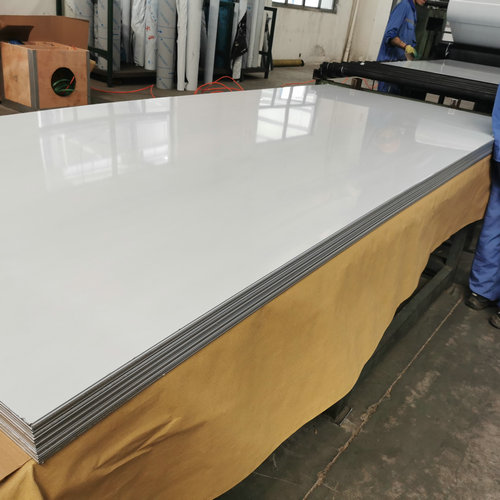
Stainless Steel
Stainless Steel Suppliers From China Huaxiao Metal is one of the leading stainless steel suppliers & manufacturers in China, we can provide stainless steel plates,
Scenario Examples: How to Make the Right Choice
Theoretical knowledge is important, but applying it to real-world scenarios truly solves problems. Below are several common project examples to illustrate how to make the right choice.
Scenario A: Outdoor Billboard Frame
Requirement Analysis: Requires wind resistance and a certain degree of weather resistance.
Recommended Model: 304 Stainless Steel. It withstands most outdoor weathering and offers a balanced balance of cost and performance, making it an ideal choice.
Scenario B: Offshore Drilling Platform Piping
Requirement Analysis: Requires high pressure resistance and resistance to strong seawater corrosion and chloride ion attack.
Recommended Model: 316 Stainless Steel. Its excellent corrosion resistance makes it the preferred choice for offshore projects, ensuring long-term stable operation.
Scenario C: Kitchen Stove and Sink
Requirement Analysis: Requires wear resistance, easy cleaning, and excellent hygiene.
Recommended Model: 304 Stainless Steel. Meets food-grade standards, is easy to clean, and resists rust, making it a classic choice for kitchen equipment.
Six-Step Stainless Steel Selection Method: A Professional Procurement Process Helps You Avoid Pitfalls
How can you apply theoretical knowledge to actual procurement? Follow these six steps to make your procurement process more efficient.
Identify the Application Environment: What kind of environment will your product be exposed to? Will it be dry indoors, humid outdoors, or in a salty marine environment? Different corrosive media require different levels of corrosion resistance.
Evaluate Performance Requirements: In addition to corrosion resistance, what strength, hardness, or ductility do you require?
Consider Processing: Does your project require bending, stamping, welding, or deep drawing? This directly influences the type you choose.
Balance Cost and Performance: 316 offers the best performance, but also comes at a higher cost. While maintaining performance, choose the most economical type.
Confirm Product Form: Do you need a stainless steel plate, tube, bar, or strip? Availability and pricing vary by form.
Seek Professional Advice: If you’re unsure, consult a professional supplier. They can provide expert recommendations tailored to your specific project.
Choose Huaxiao Metal: Your One-Stop Stainless Steel Solution
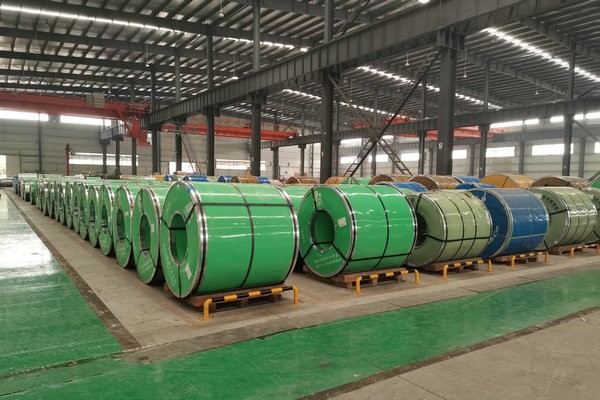
Choosing the right material is only the first step; a reliable supplier is the key to a successful project. Huaxiao Metal offers:
Extensive Inventory: 3,000 tons of stock are always available, ensuring you can quickly source your materials.
Professional Service: With over 15 years of industry experience, our team of experts will provide you with precise material selection advice.
Global Supply: Serving customers worldwide, from small businesses to large manufacturers, we ensure you receive the highest quality products and services.
FAQs: Stainless Steel Grade
Why is my stainless steel product rusting?
The term “stainless” is relative. Even the highest grade of stainless steel can be attacked under certain corrosive environments. Common types of corrosion include pitting (chloride environments), crevice corrosion, and intergranular corrosion. Choosing the right material is key to preventing rust.
Which is better, 201, 304, or 316?
There’s no absolute “better,” only more suitable. If you’re looking for cost-effectiveness and are using it indoors, 201 or 304 are ideal choices. If you need to withstand highly corrosive environments, 316 is the optimal solution.
Is stainless steel magnetic?
Most 300 series stainless steels (such as 304 and 316) are non-magnetic. However, 400 series stainless steels (such as 430) and some 200 series grades are magnetic. This isn’t a criterion for determining material quality; it’s determined by the chemical composition and crystal structure.
Which stainless steel grade is best for outdoor use?
316 stainless steel is typically the best choice for outdoor applications because it withstands harsh weather and saltwater exposure better than 304.
Is duplex stainless steel stronger than 304 and 316?
Yes. Duplex stainless steels like 2205 have nearly twice the strength of standard austenitic grades while offering excellent corrosion resistance.
Which stainless steel grade is best for high-temperature applications?
310 stainless steel is ideal for high-temperature resistance, performing well in environments up to ~1150°C.
How do I choose the right stainless steel grade for my project?
Evaluate your environment (indoor, outdoor, marine, chemical), strength requirements, temperature conditions, and budget. For general applications, 304 is often sufficient, but for harsher environments, 316 or duplex grades are recommended.
Conclusion: Choosing More Than Just the Stainless Steel Grades, It's All About Professional Service
Selecting the right materials is only the first step to a successful project; material quality, a stable supply chain, and professional processing services are equally crucial. Huaxiao Metals has over 15 years of industry experience, offering a wide range of stainless steel plates, tubes, bars, and specialty alloys.
Whether your project requires a standard model or a customized solution, we can provide you with professional consultation and high-quality products.
Contact our expert team today for free material selection advice and a current quote to ensure your project is a success.