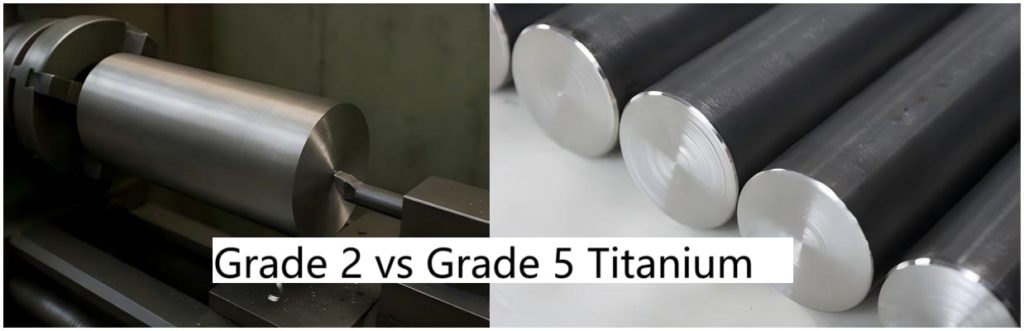
Among the many titanium alloy products, Grade 2 vs Grade 5 Titanium are the two most common and widely used titanium grades. As a professional metal material supplier, Huaxiao Metal provides customers with high-quality titanium alloy products. To help customers better understand the performance and uses of different grades of titanium, we have specially compiled this technical blog article to deeply analyze the differences between Grade 2 vs Grade 5 Titanium to help you make more informed purchasing decisions.
What is Grade 2 Titanium?
Grade 2 titanium is commercially pure titanium, and its main component is titanium (Ti) with a content of not less than 98.9%. Although it contains trace amounts of impurity elements such as iron (Fe), oxygen (O), and carbon (C), it is still a low-alloy structure as a whole, with excellent corrosion resistance and ductility.
Main features of Grade 2 Titanium:
- Excellent corrosion resistance: especially in chloride environments, seawater, and acidic solutions.
- Good ductility and formability: suitable for cold working, stamping, stretching, and other processing techniques.
- Medium strength: The tensile strength is usually around 345 MPa.
- Lightweight characteristics: low density, suitable for applications that require lightweight.
- High biocompatibility: suitable for medical devices and biological implants.
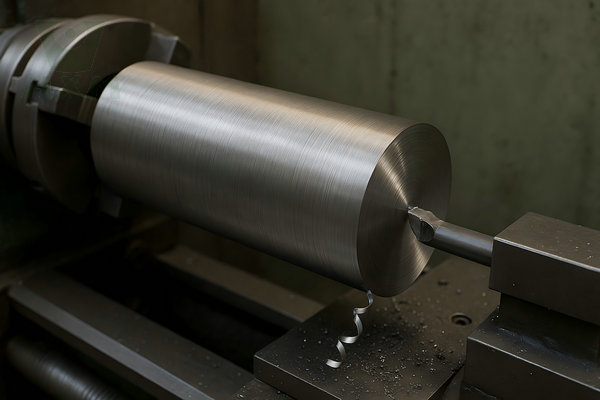
If you need a corrosion-resistant titanium sheet for chemical or seawater environments, Grade 2 titanium is the most economical and efficient choice.
What is Grade 5 Titanium (Ti-6Al-4V)?
Grade 5 Titanium is the most famous titanium alloy grade. Its standard grade is Ti-6Al-4V, which contains 6% aluminum (Al) and 4% vanadium (V). This is a reinforced alloy material that far exceeds pure titanium in strength, hardness, and heat resistance. It is widely used in aerospace, high-end manufacturing, and precision equipment.
Main features of Grade 5 Titanium:
- Extremely high strength: The tensile strength is as high as 900-1100 MPa, which is almost 3 times that of Grade 2 Titanium.
- Excellent heat resistance: It can maintain good mechanical properties at temperatures above 400°C.
- Good corrosion resistance: Although slightly inferior to Grade 2 Titanium, it still performs well in most industrial environments.
- Higher processing difficulty: Special tools and techniques are required for efficient processing.
- Higher cost: Due to its alloying elements and improved properties, the price is usually higher than commercial pure titanium.
If your project demands high strength-to-weight ratio and excellent fatigue resistance, Grade 5 titanium (Ti-6Al-4V) is the best option.
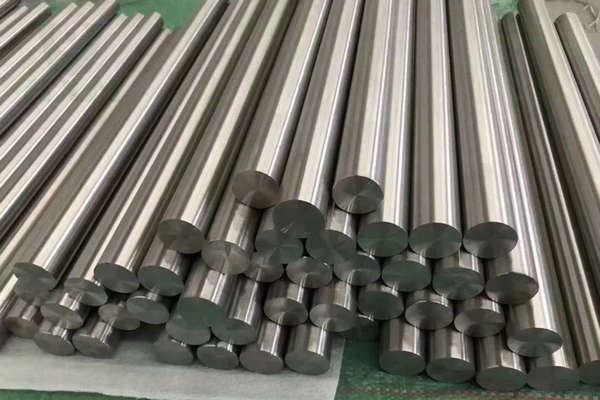
Difference Between Grade 2 vs Grade 5 Titanium
Equivalent Grades of Grade 2 and Grade 5 Titanium
When comparing Grade 2 Titanium and Grade 5 Titanium, it’s helpful to understand their equivalent international standards, especially for global sourcing and engineering applications. Different countries and standards organizations use different designations for these materials, but they refer to the same or similar titanium grades.
| Standard | Grade 2 Titanium Equivalent | Grade 5 Titanium Equivalent |
|---|---|---|
| ASTM (USA) | ASTM B348 Grade 2 | ASTM B348 Grade 5 |
| UNS | R50400 | R56400 |
| ISO | Ti-2 | Ti-6Al-4V |
| EN / DIN | 3.7035 | 3.7165 |
| JIS (Japan) | Type 2 | Type 60 |
| GB (China) | TA2 | TC4 |
Grade 2 Titanium equivalents, such as Ti-2 or TA2 are known for their excellent corrosion resistance and ductility, making them ideal for chemical processing, marine components, and medical devices.
Grade 5 Titanium equivalents like Ti-6Al-4V or TC4 offer superior strength-to-weight ratios and are widely used in aerospace, automotive, and high-performance engineering applications.
If your project requires global certification compliance or material cross-referencing, Huaxiao Metal can provide you with full equivalent grade documentation and mill test reports to ensure your titanium materials meet the right specifications.
Contact Huaxiao Metal today to learn more about Grade 2 and Grade 5 Titanium equivalents and get a competitive quotation for your next titanium project.
Chemical Composition: Grade 2 vs Grade 5 Titanium
| Composition Elements | Grade 2 | Grade 5 / Ti-6Al-4V |
|---|---|---|
| Ti | ≥ 98.9% | Bal |
| O | ≤ 0.25% | ≤ 0.20% |
| Fe | ≤ 0.30% | ≤ 0.40% |
| C | ≤ 0.08% | ≤ 0.08% |
| N | ≤ 0.03% | ≤ 0.05% |
| H | ≤ 0.015% | ≤ 0.015% |
| Al | no | 5.5% – 6.75% |
| V | no | 3.5% – 4.5% |
Grade 2 titanium is commercially pure titanium, while grade 5 titanium is a titanium alloy with added aluminum and vanadium elements to improve strength and thermal stability.
Physical Properties: Grade 2 vs Grade 5 Titanium
Properties | Grade 2 | Grade 5 |
|---|---|---|
| Density | 4.51 g/cm³ | 4.43 g/cm³ |
| Melting Point | 1665°C | 1660°C |
| Thermal Conductivity | 16.0 W/m·K | 6.7 W/m·K |
| Conductivity | 1.8% IACS | 1.2% IACS |
| Specific Heat | 0.52 J/g·K | 0.526 J/g·K |
| Elastic Modulus (E) | 103 GPa | 113.8 GPa |
| Coefficient of Thermal Expansion | 8.6×10⁻⁶ /K | 8.6×10⁻⁶ /K |
Although the melting points of the two are similar, grade 5 titanium has a lower thermal conductivity and is more suitable for high-temperature and high-strength applications.
Mechanical Properties: Grade 2 vs Grade 5 Titanium
Properties | Grade 2 Ti | Grade 5 Ti |
|---|---|---|
| Tensile Strength (MPa) | ≥ 345 | ≥ 895 |
| Yield Strength (MPa) | ≥ 275 | ≥ 828 |
| Elongation (%) | ≥ 20 | ≥ 10 |
| Hardness(HRB) | 70–80 | 36–44(HRC) |
| Fatigue Strength (MPa) | ~240 | ~510 |
Grade 5 titanium is far ahead in strength and is more suitable for withstanding mechanical shock and high-load environments, while grade 2 titanium excels in processability and ductility.
Corrosion Resistance and Weldability
Both grades resist corrosion well, but their performance differs depending on the environment:
Grade 2: Excellent corrosion resistance in seawater, oxidizing acids, and chloride solutions. Ideal for chemical, desalination, and marine systems.
Grade 5: Slightly lower resistance due to alloying elements but performs better in high-temperature and high-stress conditions.
Weldability:
Grade 2: Excellent — no preheat required, easy to weld.
Grade 5: More challenging due to aluminum and vanadium; requires inert gas shielding and controlled parameters.
Other Properties: Grade 2 vs Grade 5 Titanium
Properties | Grade 2 Titanium | Grade 5 Titanium |
|---|---|---|
| Corrosion Resistance | Excellent | Good |
| Weldability | Excellent | Average |
| Machinability | Very Good | Requires special tools and experience |
| Biocompatibility | Very high (commonly used in medical implants) | High (can also be used in medical components) |
| Cost | Lower | Significantly higher |
| Common Application | Chemical, medical, offshore | Aerospace, military, precision manufacturing |
If your project focuses on corrosion resistance, cost control, and easy processing, it is recommended to use grade 2 titanium; if the project emphasizes strength, heat resistance, and structural stability, grade 5 titanium is a better choice.
Cost Comparison: Grade 2 vs Grade 5 Titanium Price
Which is more expensive?
Price comparison: In the general market, Grade 5 titanium is typically $40%-60% more expensive than Grade 2 titanium.
The main reasons are: Raw material cost: Alloying elements (aluminum and vanadium) increase the cost.
Manufacturing difficulty: Grade 5 requires more complex process control during melting, forging, and rolling, resulting in higher energy consumption.
Contact Huaxiao Metal to get the latest titanium price and availability for your region.
Typical Application of Grade 2 vs Grade 5 Titanium
Application of Grade 2 Titanium:
- Chemical equipment: reactors, heat exchangers, piping systems, suitable for highly corrosive media.
- Marine engineering: hull components, diving equipment, to resist seawater corrosion.
- Medical devices: dentures, surgical instruments, human implants.
- Environmental protection equipment: electroplating, electrolysis, electrode materials.
- Daily necessities: titanium cups, titanium tableware, titanium jewelry.
Application of Grade 5 Titanium:
- Aerospace industry: aircraft structural parts, engine parts, fasteners.
- Racing cars and high-performance machinery: suspension systems, engine components, brake systems.
- Precision manufacturing: 3D printed titanium parts, medical implants, aerospace components.
- Military products: missile structures, ship structures.
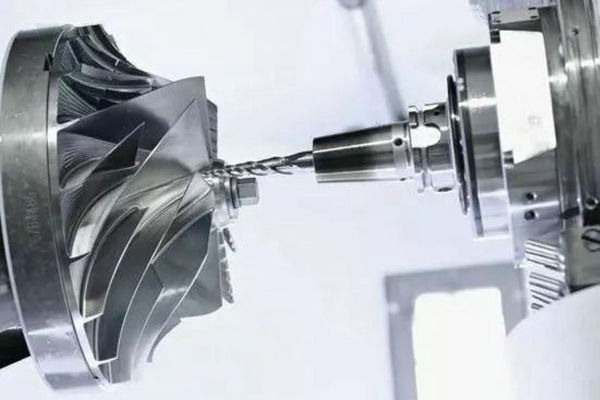
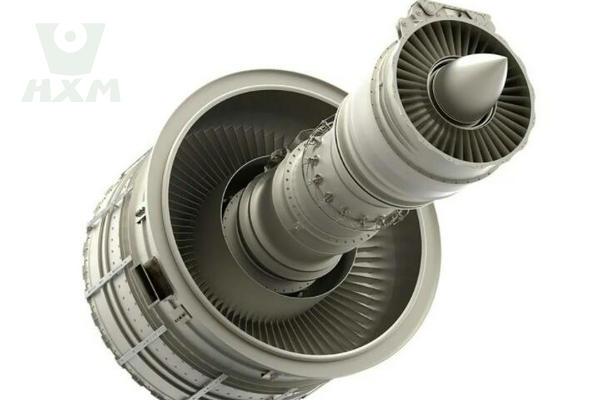
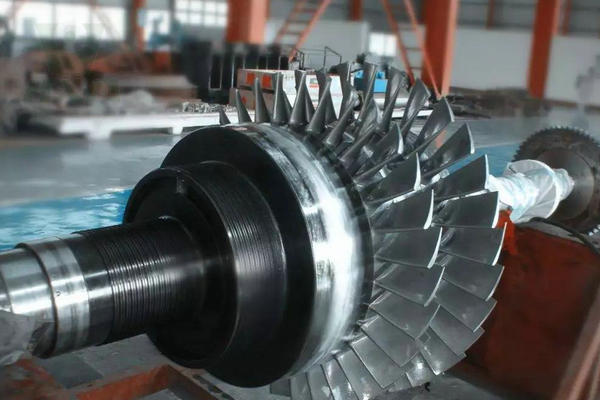
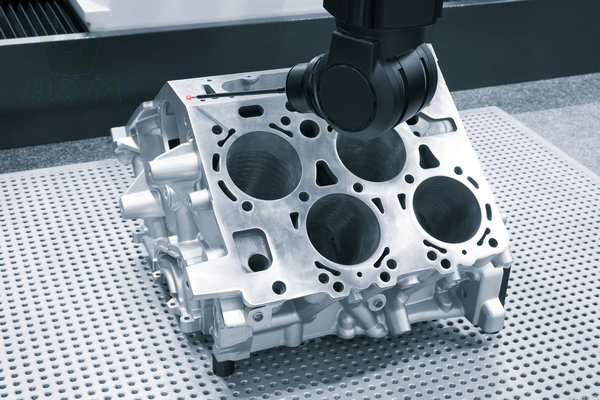

Grade 2 and grade 5 titanium each have their own advantages and are suitable for different industrial applications. Understanding their performance differences will help you select and purchase materials more rationally. As an experienced metal material supplier, Huaxiao Metal not only provides you with high-quality titanium alloy products, but also provides professional advice and after-sales support for your project.
Welcome to contact us for the latest titanium alloy prices and inventory!
Which One Should You Choose? Grade 2 vs Grade 5 Titanium
When choosing the right titanium grade, consider:
| Factor | Recommended Grade | Reason |
|---|---|---|
| Corrosive Environments | Grade 2 | Highest corrosion resistance |
| High Strength Applications | Grade 5 | Superior tensile and fatigue strength |
| Welding or Fabrication Ease | Grade 2 | Excellent weldability |
| Lightweight Structural Design | Grade 5 | Better strength/weight ratio |
| Cost-sensitive Projects | Grade 2 | More affordable |
| Medical or Aerospace | Grade 5 | Certified for implants and flight hardware |
Huaxiao Metal Recommendation:
For most industrial chemical, marine, or general engineering needs, choose Grade 2 Titanium.
For aerospace, defense, medical, or racing applications requiring maximum strength, choose Grade 5 Titanium (Ti-6Al-4V).
Huaxiao Metal's Titanium Alloy Product Advantages
As a professional metal material supplier in China, Huaxiao Metal provides titanium materials of multiple grades, including grade 2, grade 5, grade 7, grade 9, etc., and the product forms include titanium plates, titanium rods, titanium tubes, titanium wires, etc. Our advantages include:
✅ Multiple Grade 2 & Grade 5 titanium bars, sheets, and plates specifications in stock, fast delivery
✅ Provide original material certificate (MTC)
✅ Support processing and customization services according to drawings
✅ Export packaging meets international transportation standards
✅ Can be exported to Europe, America, Southeast Asia, the Middle East, and other countries and regions
✅ Competitive factory-direct prices and fast quotation
✅ Certified materials according to ASTM B348, ASTM F136, AMS 4911, ISO 5832-3
We always adhere to the concept of “quality first, service first”, and are committed to becoming a trusted titanium alloy material supplier for global customers.
FAQ — Common Questions About Grade 2 and Grade 5 Titanium
Is grade 2 titanium stronger than grade 5?
No. Grade 5 titanium (Ti-6Al-4V) is one of the strongest titanium alloys, with an ultimate tensile strength of approximately 895 MPa. In comparison, pure Grade 2 titanium has an ultimate tensile strength of approximately 345 MPa. Grade 5 is approximately three times stronger than Grade 2.
Is grade 2 better than grade 5?
There’s no absolute “better”; the choice depends on the specific application requirements.
Grade 2 is better if your project requires a cost-effective material that’s easy to weld and form (such as chemical containers or piping).
Grade 5 is better if your project requires maximum strength, stiffness, and lightweight properties for applications subject to high stress loads (such as aerospace or high-performance fasteners).
Can Grade 2 titanium be used in aerospace?
It can be used for non-critical aerospace components (ducts, housings), but not for load-bearing parts. Grade 5 is preferred for structural use.
Is Grade 5 titanium harder to machine?
Yes. The presence of aluminum and vanadium makes machining more difficult. Specialized cutting tools and speeds are required.
Which titanium grade is better for seawater applications?
Grade 2 titanium offers the best resistance to seawater corrosion and is widely used in desalination and offshore systems.
What are the standard specifications for titanium materials?
ASTM B348 (bars, rods), ASTM B265 (plates, sheets), and AMS 4911 are common standards supplied by Huaxiao Metal.
How much higher is the fatigue strength of Grade 5 titanium than Grade 2 titanium?
Grade 5 titanium has significantly higher fatigue strength than Grade 2. Due to its alloy structure, Grade 5 is able to maintain structural integrity when subjected to high cyclic loads, making it a critical material in aerospace applications.
Can Grade 2 pure titanium be used in medical implants?
Yes, but it’s uncommon. Grade 2 offers excellent biocompatibility, but due to its lower strength, it’s typically used only in non-load-bearing or low-stress applications. Grade 5 (Ti-6Al-4V ELI) is the most common choice for medical implants (such as bone screws and dental implants) due to its higher strength and lower interstitial content (ELI stands for Extra Low Interstitial Content).
What is the highest temperature that Grade 2 titanium can withstand?
Grade 2 pure titanium typically maintains its mechanical properties up to 400°C, while Grade 5 alloys have a higher upper temperature limit, but long-term service temperatures are generally recommended between 300°C and 500°C, depending on the loading conditions.
Can Huaxiao Metal customize titanium parts?
Yes. We provide custom cutting, CNC machining, and special surface finishing upon request.
In Conclusion:
Both Grade 2 and Grade 5 titanium are exceptional materials — each serving different needs:
Choose Grade 2 for excellent corrosion resistance and easy fabrication.
Choose Grade 5 for superior strength and high-performance applications.
At Huaxiao Metal, we help you make the right material decision with confidence.
No matter the specification, form, or quantity, our team ensures competitive titanium prices, on-time delivery, and global support.
Contact Huaxiao Metal today to learn more about Grade 2 and Grade 5 titanium materials and request your custom quotation.