Whether in construction, automotive manufacturing, or aerospace, one of the most common questions when selecting steel is: What is the difference between low alloy steel and high alloy steel?
Both utilize alloying elements to improve their properties, but the content of these elements determines significant differences in their performance, cost, and applications.
This guide will help you clearly understand the definitions, compositions, mechanical properties, and applications of both. By the end, you’ll also know which material best fits your project needs.

What Is Alloy Steel?
Before delving deeper into low-alloy steel and high-alloy steel, we must first understand what alloy steel is. Simply put, alloy steel is made from ordinary carbon steel with the purposeful addition of one or more alloying elements (such as chromium, nickel, molybdenum, and vanadium) to improve its mechanical and physical properties.
Based on the total alloying element content, alloy steel can be divided into two categories:
Low-alloy steel: The total alloying element content is typically less than 5% (some standards define it as less than 8%).
High-alloy steel: The total alloying element content is typically greater than 8%.
What Is Low Alloy Steel?
Low alloy steel typically contains a total alloy content of less than 5–8%. It is designed to improve mechanical properties and resistance to corrosion while remaining cost-effective.
Features of Low Alloy Steel:
Lower cost than high alloy steel
Good weldability
High strength-to-weight ratio
Moderate corrosion and wear resistance
Common Applications:
Pressure vessels
Bridges
Automotive components
Pipelines
Huaxiao Metal provides a wide range of low alloy steels that are ready in stock and available for quick delivery. Contact us now for the best prices on low alloy steel.
What Is High Alloy Steel?
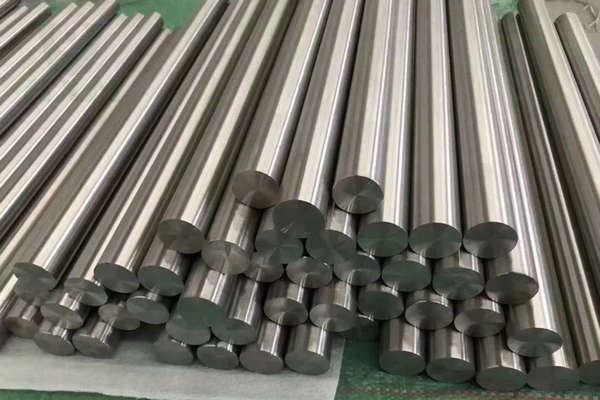
High alloy steel contains more than 8% alloying elements, with stainless steel being the most common form. These steels are used where exceptional corrosion resistance and strength are required.
Features of High Alloy Steel:
Excellent corrosion resistance
High hardness and toughness
Retains properties at high temperatures
Suitable for extreme environments
Common Applications:
Chemical processing equipment
Aerospace and aviation components
Marine structures
Medical instruments
At Huaxiao Metal, we offer high-quality high alloy steel including various grades of stainless steel, tailored to your specific requirements. Get a quote now and compare our competitive pricing.
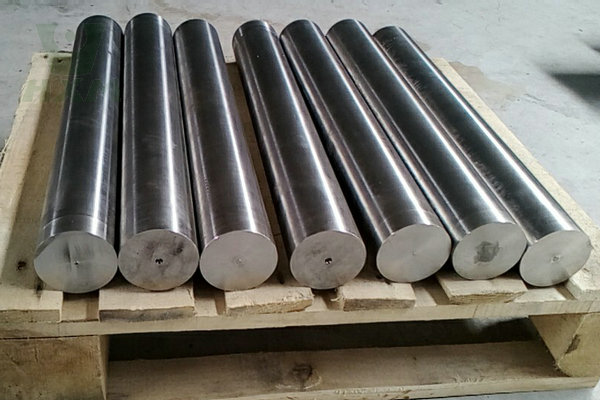
Difference Between Low Alloy Steel and High Alloy Steel
When choosing alloy steel for engineering or industrial purposes, it is crucial to understand the difference between low alloy steel and high alloy steel. Both types of steel differ significantly in composition, physical and mechanical properties, cost, and applications. Let’s explore each of these aspects in detail.
| Characteristics | Low Alloy Steel | High Alloy Steel |
|---|---|---|
| Alloy Content | Usually below 5%–8% | Usually above 8% |
| Typical Alloying Elements | Manganese (Mn), Silicon (Si), Copper (Cu), Vanadium (V), etc. | Chromium (Cr), Nickel (Ni), Molybdenum (Mo), Tungsten (W), etc. |
| Main Performance Advantages | Good strength, toughness, weldability; cost-effective | Excellent corrosion resistance, heat resistance, and wear resistance |
| Typical Applications | Bridges, pressure vessels, pipelines, automotive parts, construction structures | Chemical equipment, aerospace components, medical instruments, nuclear reactors, high-temperature furnace tubes |
| Cost | Lower, due to less alloy content and easier processing | Higher, due to large amounts of expensive alloying elements and more complex processing |
| Representative Grades | ASTM A36, 4140, 4340 | 304 stainless steel, 316 stainless steel, tool steel |
Composition: Low Alloy Steel and High Alloy Steel
Low Alloy Steel:
Contains less than 5–8% total alloying elements such as chromium, nickel, molybdenum, vanadium, and manganese. Designed primarily to enhance strength and toughness without significantly increasing costs.
High Alloy Steel:
Contains more than 8% alloying elements. Stainless steel (e.g. 304, 316) is a typical example, often with high chromium and nickel content for corrosion resistance and high-temperature performance.
Huaxiao Metal supplies both low and high alloy steels in a wide range of grades. Request alloy steel prices now.
Physical Properties: Low Alloy Steel and High Alloy Steel
Low Alloy Steel:
Offers improved physical properties over carbon steel, such as enhanced hardness, thermal resistance, and moderate corrosion resistance.
High Alloy Steel:
Excels in corrosion resistance, oxidation resistance, and can maintain performance in extreme temperatures and environments.
Need alloy steel for high-heat or corrosive environments? Contact Huaxiao Metal for custom material advice.
Mechanical Properties: Low Alloy Steel and High Alloy Steel
Low Alloy Steel:
Provides high strength, good fatigue resistance, and excellent toughness. It is widely used in structural and load-bearing applications.
High Alloy Steel:
Exhibits superior tensile strength, impact resistance, and work hardening capabilities, especially under harsh conditions.
Huaxiao Metal delivers mechanically tested steels for demanding industries. Inquire about mechanical test reports.
Cost: Low Alloy Steel and High Alloy Steel
Low Alloy Steel:
More cost-effective due to lower alloying content and easier fabrication.
High Alloy Steel:
Typically more expensive due to higher content of costly elements like nickel and chromium, and advanced processing.
Looking for budget-friendly high-performance materials? Compare our low alloy steel stock.
Applications: Low Alloy Steel and High Alloy Steel
Low Alloy Steel Applications:
- Pressure vessels
- Construction equipment
- Power plant components
- Automotive parts
- Bridges and pipelines
High Alloy Steel Applications:
- Chemical and petrochemical processing
- Marine and offshore structures
- Aerospace and aviation parts
- Surgical and medical instruments
- Heat exchangers and reactors
Whatever the application, Huaxiao Metal offers ready-to-ship inventory and custom cut-to-size solutions.
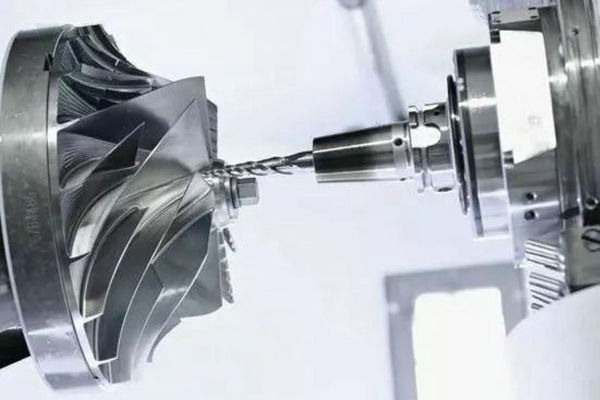
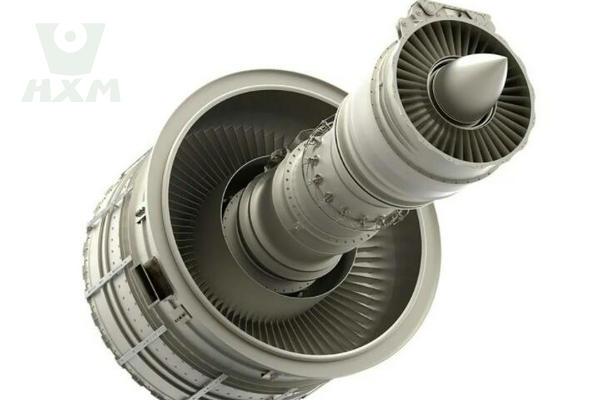
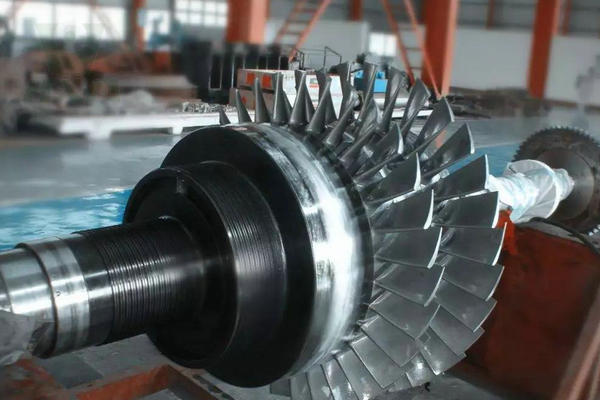

Whether you need bulk alloy steel for a large-scale project or specialty grades for critical applications, Huaxiao Metal is here to help.
Contact us today for alloy steel prices and availability.
How to Make the Right Choice for Your Project?
When choosing between low-alloy and high-alloy steel, you need to consider three key factors:
Performance requirements: If your project requires high strength, toughness, and good weldability, and your budget is limited, low-alloy steel is generally a more cost-effective option. If your project requires superior corrosion, heat, or wear resistance, high-alloy steel may be the only option, albeit at a higher cost.
Budget constraints: Ensure you strike a balance between performance requirements and your budget. While high-alloy steel offers superior performance, its higher cost may not be suitable for all projects.
Application environment: Consider the actual operating environment that the steel will face. Will it be in a dry, ambient environment, or in a humid, corrosive environment, or one subject to high temperatures and pressures? This will directly determine the type of alloy steel you need.
FAQ
What is the difference between low alloy and high alloy steel?
Low alloy steel contains less than 8% alloying elements, while high alloy steel contains 8% or more. High alloy steels generally offer greater corrosion and heat resistance.
Is stainless steel a high alloy steel?
Yes. Stainless steel is considered a high alloy steel because it contains at least 10.5% chromium, which provides excellent corrosion resistance.
Which is cheaper: low alloy or high alloy steel?
Low alloy steel is usually cheaper and widely used in pipelines, construction, and structural applications. High alloy steel is more expensive due to its enhanced properties.
Can low alloy steel rust?
Yes. Low alloy steel can rust if exposed to moisture without protection, but it resists corrosion better than plain carbon steel.
What is the difference between low-alloy steel and stainless steel?
Stainless steel is a type of high-alloy steel. The main difference between them lies in the content and purpose of the alloying elements. Stainless steel’s high chromium content (typically over 10.5%) gives it excellent corrosion resistance, while low-alloy steel primarily relies on the addition of small amounts of alloying elements to increase its strength and toughness and generally lacks rust protection.
Which steel is stronger: low-alloy steel or high-alloy steel?
There’s no simple answer to this question. Strength depends on the specific steel grade and heat treatment process. Generally speaking, some specialized high-alloy steels, such as certain tool steels, are stronger than low-alloy steels. However, with specific heat treatments, some low-alloy steels, such as 4140 alloy steel, can achieve very high strength.
Why Choose Huaxiao Metal as Your Alloy Steel Supplier?
Huaxiao Metal is a trusted alloy supplier and manufacturer of both low alloy steel and high alloy steel products. With a robust inventory, strict quality control, and international shipping capabilities, we support industries across the globe.
✅ Competitive Alloy Steel Prices
✅ Professional Customization & Processing
✅ Fast Global Delivery
✅ Free Technical Consultation
Whether you need low alloy steel for pipelines or high alloy stainless steel for chemical plants, Huaxiao Metal is your trusted supplier.
Contact us today for a quotation or technical consultation.