1060 and 1095 are both carbon steels that are commonly used by knifemakers and other applications that require a durable and resilient metal. The main difference between these two steels is their carbon content, which affects their hardness, toughness, and other properties. Here is our company’s introduction to the difference between 1060 vs. 1095 carbon steel, and which one is better?
As a global carbon steel supplier, Huaxiao Metal created this complete guide to help buyers, engineers, and hobbyists understand the true differences between 1060 vs 1095 carbon steel—and choose the right material for their project.
What is 1060 Carbon Steel?
1060 carbon steel is a high carbon steel alloy with the chemical composition of 0.60% carbon, 0.55% manganese, 0.35% silicon, 0.20% phosphorus and 0.04% sulfur. Due to its high strength-to-weight ratio, good weldability, good corrosion resistance, high temperature resistance and low cost, it is widely used in automotive parts, building materials, mechanical parts, tooling, cutting tools and other fields.

What is 1095 Carbon Steel?
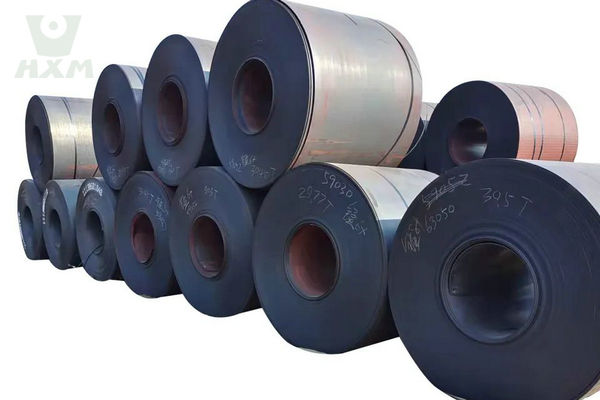
1095 is an ultra-high carbon steel, an American standard grade, belonging to the 1090 series of SAE-AISI steel. It is composed of carbon steel with a carbon content of 0.90-1.03%. 95 means the carbon content is around 0.95%, and it also contains a small amount of alloying elements such as manganese, silicon and phosphorus. The chemical composition of this steel ensures its excellent hardening properties and wear resistance.
What is the Difference Between 1060 vs. 1095 Carbon Steel?

The primary difference between 1060 and 1095 carbon steel lies in their carbon content, which significantly impacts their hardness, toughness, and overall suitability for various applications. Here’s a detailed comparison:
Chemical Compositions of 1060 vs. 1095 Carbon Steel
| Element | 1060 Carbon Steel | 1095 Carbon Steel |
|---|---|---|
| C | 0.60% | 0.95% |
| Mn | 0.60%-0.90% | 0.60%-0.90% |
| Si | ≤0.15% | ≤0.15% |
| S | ≤0.05% | ≤0.05% |
| P | ≤0.04% | ≤0.04% |
Carbon: Carbon content is crucial in determining the hardness and strength of steel. Higher carbon content, as seen in 1095 steel, results in greater hardness but can make the steel more brittle compared to 1060 steel.
Mechanical Properties of 1060 vs 1095 Carbon Steel
| Property | 1060 Steel (Cold Drawn) | 1095 Steel (Cold Drawn) |
|---|---|---|
| Tensile Strength (MPa) | 620–690 | 760–830 |
| Yield Strength (MPa) | 460–520 | 520–580 |
| Elongation (%) | 10–12 | 8–10 |
| Brinell Hardness (HB) | 190–210 | 220–250 |
- Tensile Strength: 1095 steel has significantly higher tensile strength (760–830 MPa) than 1060 steel (620–690 MPa), making it more suitable for applications requiring high strength and wear resistance.
Yield Strength: 1095 steel also offers higher yield strength (520–580 MPa), meaning it can withstand more force before permanently deforming.
Elongation: 1060 steel has a better elongation percentage (10–12%) than 1095 steel (8–10%), which means it is more ductile and better for applications that require more flexibility and impact resistance.
Brinell Hardness: The hardness of 1095 steel (220–250 HB) is greater than 1060 steel (190–210 HB), providing better resistance to wear and maintaining a sharp edge for longer, especially in knives and blades.
Physical Properties of 1060 vs. 1095 Carbon Steel
| Property | 1060 Carbon Steel | 1095 Carbon Steel |
|---|---|---|
| Hardness (HRC) | 57-60 HRC (heat-treated) | 60-65 HRC (heat-treated) |
| Tensile Strength | ~750 MPa | ~850 MPa |
| Yield Strength | ~550 MPa | ~700 MPa |
| Impact Toughness | Higher, more impact-resistant | Lower, more brittle |
| Wear Resistance | Moderate | High |
| Ductility | Higher, more flexible | Lower, less flexible |
Applications of 1060 vs. 1095 Carbon Steel
1095 steel is often used in applications that require high hardness and edge retention, such as:
Knives and kitchen cutlery
Swords and combat blades
Industrial cutting tools
1060 steel, on the other hand, is preferred in applications requiring better toughness and resilience, such as:
Training knives and swords
Axes and tools used in high-impact environments
Automotive and heavy machinery components
Cost of 1060 vs. 1095 Carbon Steel
1095 carbon steel is usually priced higher than 1060 carbon steel due to its higher carbon content and the more complex processing required to achieve its properties. If you need exact pricing, please contact us directly as the prices of 1095 carbon steel and 1060 tang steel vary depending on market conditions, carbon steel suppliers, and purchase volume.
Heat Treatment and Processing Differences
Proper heat treatment plays a key role in achieving the desired performance.
Heat Treatment
1060 Steel:
Responds well to normalization and tempering.
Offers a good balance between hardness and toughness after quenching.
1095 Steel:
Requires precise control during quenching and tempering to reach high hardness.
Can be more brittle if improperly heat-treated.
Both steels benefit from controlled heat treatment to modify hardness and improve performance for specific applications.
Welding Performance of 1060 vs. 1095 Carbon Steel
1060 Carbon Steel: Easier to weld due to lower carbon content, with fewer hardening and brittleness issues. Proper preheating, filler material selection, and control of welding conditions are still important to ensure good weld quality.
1095 Carbon Steel: More difficult to weld due to higher carbon content, which increases the risk of hardening and cracking. Careful preheating, proper filler material, and post-weld heat treatment are required to control the increased hardness and prevent weld defects.
Wear Resistance and Edge Retention
1095 steel achieves higher hardness and better edge retention and wear resistance, making it ideal for precision cutting tools and high‑performance blades.
1060 steel, with its lower carbon level, has moderate wear resistance but maintains better flexibility and impact resistance, which is important for general tools or stress‑bearing parts.
1060 vs 1095 Carbon Steel: Hardness and Strength
1095 carbon steel is harder and has higher tensile and yield strength, making it ideal for applications that require superior edge retention and resistance to wear, such as knives, swords, and cutting tools.
1060 carbon steel, with its lower carbon content, offers more ductility and impact resistance, making it more suitable for tools that need to withstand bending and impact forces, like training swords or axes.
1060 vs 1095 Carbon Steel: Machinability and Flexibility
Due to its higher carbon content, 1095 steel tends to be more brittle and may break or chip under stress if not properly heat-treated.
1060 steel provides better machinability and is more flexible, offering better performance when exposed to impact or bending forces.
Is 1095 Carbon Steel better than 1060 Carbon Steel?
We need to understand that no one steel is better than another; it depends on the specific needs of your application and we will select the best grade for your project. 1095 steel is suitable for applications that require maximum hardness and edge retention, while 1060 steel is favored for its toughness and ease of welding.
1095 Carbon Steel: Better suited for applications that require high hardness and excellent edge retention, such as high-performance cutting tools and precision blades. However, it is more likely to become brittle and more difficult to weld.
1060 Carbon Steel: Better suited for applications that require a balance of toughness and hardness, better weldability, and better impact resistance. Good for general-purpose tools, broadswords, and swords.
Which Steel Should You Choose?
| Your Requirement | Recommended Steel |
|---|---|
| Best sharpness | 1095 |
| Best toughness | 1060 |
| Best for beginners | 1060 |
| Professional knife making | 1095 |
| Large blade that must not break | 1060 |
| Best wear resistance | 1095 |
| Easiest to heat treat | 1060 |
| Best edge retention | 1095 |
| Lowest chance of cracking | 1060 |
Simple Rule
- 1095 = sharpness
- 1060 = durability
Frequently Asked Questions: 1060 vs 1095 Carbon Steel
What are the main differences between 1060 and 1095 carbon steel?
1060 carbon steel offers higher toughness and impact resistance, making it suitable for applications requiring durability and impact resistance. 1095 carbon steel, on the other hand, offers higher hardness and sharpness, making it suitable for knives and swords requiring high wear resistance and edge retention.
Is 1095 better than 1060?
Not always.
1095 is “better” for sharp blades; 1060 is “better” for impact-resistant tools.
Which rusts faster?
Both rust easily.
1095 may rust slightly faster because of its higher carbon.
Is 1095 too brittle?
For certain applications, yes.
Poor heat treatment can make it brittle and prone to chipping.
Which steel is better for swords?
- 1060 steel → Practical, durable, impact resistant
- 1095 steel → Extremely sharp, but less impact resistant
Many sword factories and manufacturers prefer to use differential hardening processes on 1095 steel to combine the advantages of both.
How do I choose the right carbon steel for my needs?
If your application requires high wear resistance and edge retention, we recommend 1095 carbon steel. If you require greater toughness and impact resistance, we recommend 1060 carbon steel.
What processing services do you provide?
We offer a variety of processing services, including cutting, heat treatment, and surface treatment, to ensure our products meet your technical requirements.
Does Huaxiao Metal supply both grades?
Yes — we supply 1060 and 1095 plates, coils, bars, strips, and custom-cut materials.
In Conclusion:
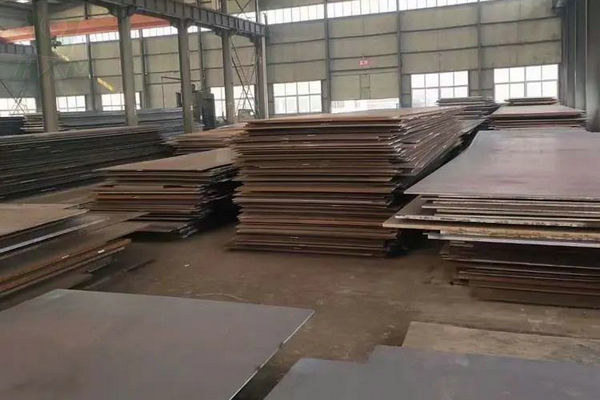
1095 carbon steel is well-suited for applications that require high hardness and excellent edge retention, such as high-performance cutting tools and precision blades. However, it can be more brittle and more difficult to weld.
1060 carbon steel strikes a good balance between toughness and hardness, making it suitable for general-purpose tools, large knives, and swords. It is easier to weld and has better impact resistance, although it may not hold an edge as long as 1095 steel.
The choice between the two depends on whether extreme hardness and wear resistance (1095) or toughness and ease of welding (1060) are the priorities.
Request a Quote Now – Get stock, prices, and technical support directly from Huaxiao Metal.