Metal is an important class of raw materials, widely used in industrial production and daily life. Among all metals, non ferrous metals are a particularly important class of metals. They are used in a wide variety of industries including construction, electronics, automotive, aerospace, and medical. But what are non ferrous metals? Which metals are non-ferrous metals? These questions can confuse many people.
Definition and Classification of Non Ferrous Metals
What are Non Ferrous Metals
Non-ferrous metals refer to metals that do not contain iron but have certain electrical conductivity, thermal conductivity, ductility, and plasticity. Their colors are usually gold, silver, yellow, red, green, etc. Unlike steel, non ferrous metals are not easily rusted or corroded and have higher specific strength and specific stiffness.
Key Advantages of Non Ferrous Metals
Compared with ferrous metals (steel), nonferrous metals generally have one or more of the following advantages:
Excellent corrosion resistance: Many nonferrous metals (such as aluminum and zinc) form a dense oxide film on their surface, which can effectively resist rust and chemical corrosion.
Excellent electrical and thermal conductivity: Copper and aluminum are the preferred materials in power and heat exchange applications.
Lightweight and high strength: Metals such as aluminum and titanium have a much lower density than steel while maintaining sufficient strength, which is the key to lightweighting in aerospace and automobiles.
Excellent processability: Easy to cast, roll, stretch, and weld.
Non-magnetic: Suitable for precision instruments and electronic equipment.
Classification of Non Ferrous Metals
According to the physical and chemical properties of metals, non-ferrous metals can be divided into two categories: common non ferrous metals and rare non-ferrous metals.
Common Non Ferrous Metals
Rare Non Ferrous Metals
The above is the definition and classification of non-ferrous metals. Understanding the definition and classification of non-ferrous metals can help us better understand their characteristics and application fields, and provide a basis for our subsequent articles.
Common Non Ferrous Metals
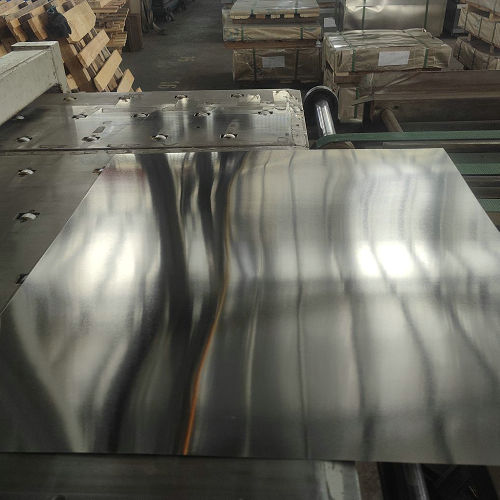
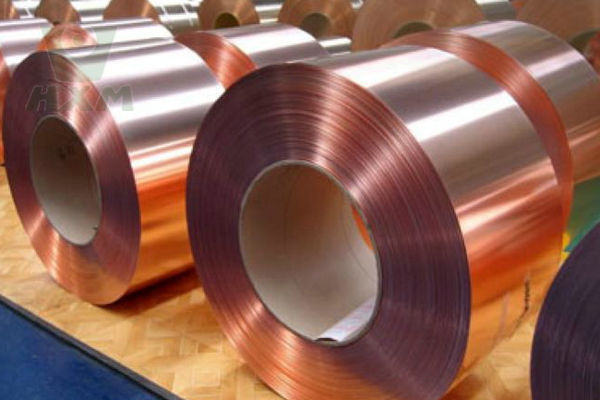
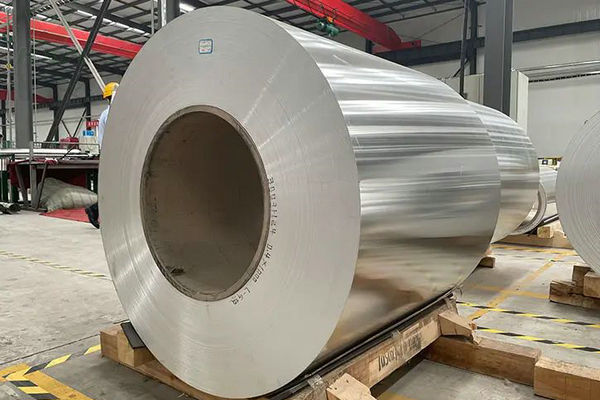
Common non-ferrous metals refer to the most widely used non-ferrous metals, including copper, aluminum, zinc, nickel, lead, tin, brass, etc. They have good electrical conductivity, thermal conductivity, plasticity and corrosion resistance, and are widely used in fields such as construction, electronics, machinery, automobiles, aerospace, and medical treatment.
A. Copper
B. Aluminum
C. Zinc
D. Nickel
E. Lead
F. Tin
G. Brass
The above is the introduction of common non-ferrous metals.
Rare Non Ferrous Metals
Rare non-ferrous metals refer to relatively rare non-ferrous metals, including tungsten, zirconium, tantalum, niobium, lithium, cobalt, indium, gallium, indium, gallium, beryllium, etc. They have unique physical, chemical, and mechanical properties, and have a wide range of applications in high-tech fields, electronics, semiconductors, and medical care.
A. Tungsten
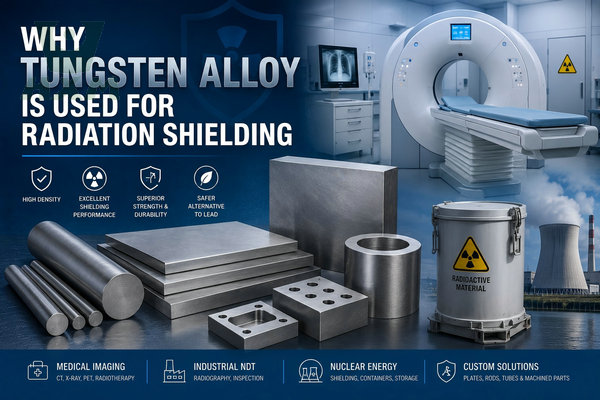
Tungsten is a high melting point, high density, corrosion-resistant metal with high hardness, high strength, and high-temperature stability. It is widely used in aerospace, military industry, petroleum and chemical industry, and other fields.
B. Zirconium
Zirconium is a metal with good corrosion resistance, high strength, and high-temperature stability. It is widely used in fields such as nuclear energy, the chemical industry, medical treatment, and aerospace.
C. Tantalum
Tantalum is a metal with a high melting point, high hardness, corrosion resistance, and good machinability. It is widely used in fields such as electronics, aerospace, semiconductor, and medical treatment.
D. Niobium
Niobium is a metal with a high melting point, high hardness, corrosion resistance, and good machinability. It is widely used in fields such as electronics, aerospace, semiconductor, and medical treatment.
E. Lithium
Lithium is a metal with good electrical and thermal conductivity and low density. It is widely used in the battery, chemical, and medical fields.
F. Cobalt
Cobalt is a metal with a high melting point, high hardness, and corrosion resistance. It is widely used in fields such as aerospace, medical treatment, electronics, and petroleum.
G. Indium, Gallium, Beryllium
Indium, gallium, and beryllium are extremely rare metals with good electrical conductivity, optical properties, and semiconductor properties. They are widely used in the fields of electronics, optoelectronics, and semiconductors.
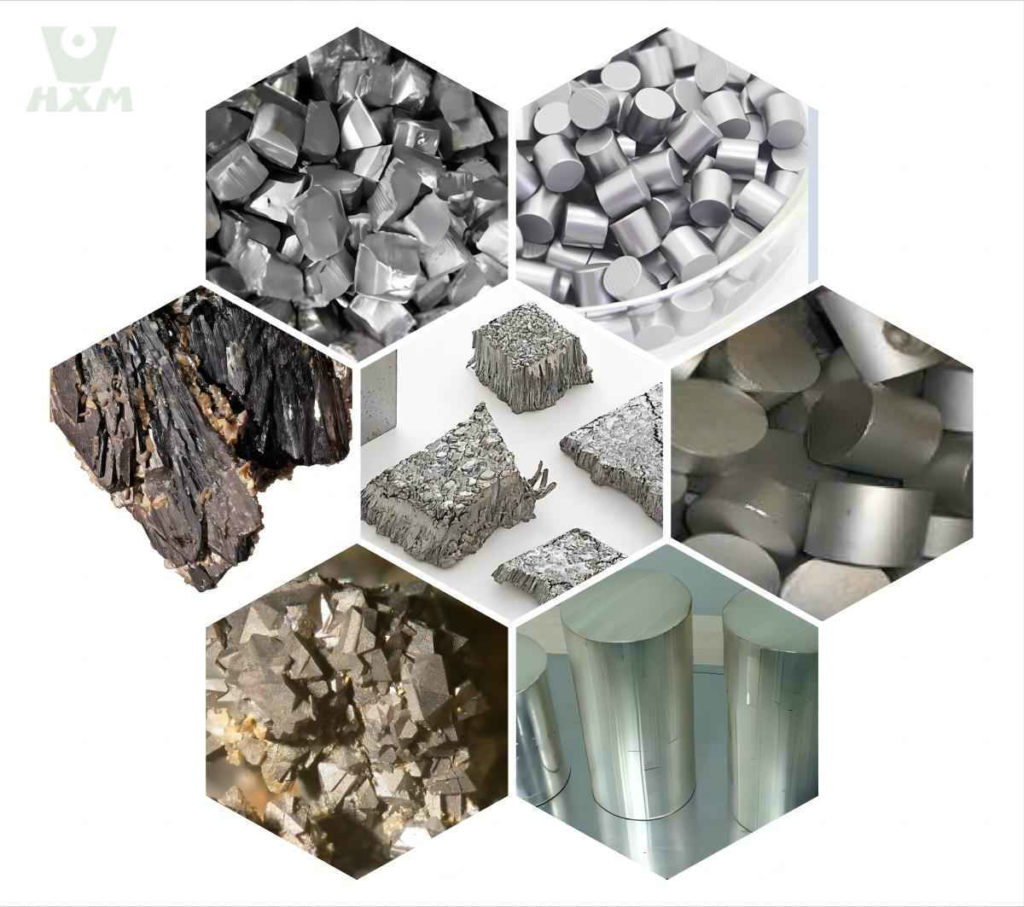
The above is the introduction of rare non-ferrous metals. These rare non-ferrous metals play an important role in high-tech fields and various industrial applications, so understanding them can help you use non-ferrous metals.
Non-Ferrous VS Other Metals
Non-ferrous metals differ significantly from other metals in many ways, including material properties, processing, application fields, etc.
A. Material Properties
Non-ferrous metals generally refer to metals other than iron and steel, and their common feature is good electrical conductivity, thermal conductivity and ductility. Other metals such as iron and steel have higher strength, hardness, and toughness.
B. Processing
Since non-ferrous metals are generally softer and easier to work with than other metals, different processes and techniques are required in the manufacturing process. For example, aluminum and copper are usually processed by rolling, extruding, and drawing, while steel is more suitable for forging and quenching.
C. Field of Application
Non-ferrous metals are widely used in the fields of electronics, aerospace, construction, transportation, metallurgy and chemical industry. Their good electrical and thermal conductivity and plasticity make them ideal for cables, pipes, alloys, and construction materials. Other metals such as steel and iron are more suitable for automobiles, machinery, construction and ships because of their higher strength and toughness.
D. Environmental Impact
Non-ferrous metals generally have higher corrosion resistance and oxidation resistance, so they are more durable than other metals in some special environments. In addition, many non-ferrous metals such as copper, aluminum, zinc, etc. can be recycled and reused with less impact on the environment. Other metals such as steel and iron are more prone to rust and corrosion, causing greater pressure on the environment and resources.
In short, non-ferrous metals are significantly different from other metals in many ways. Although their properties and fields of application are different, they all play vital roles in modern industry and technology.
How to choose a reliable non-ferrous metal supplier?
Purchasing non-ferrous metals is more than just comparing prices. Choosing the wrong supplier may result in substandard materials, delayed delivery, and huge project risks. A reliable supplier should have the following characteristics:
Quality certification and standards: Make sure the supplier can provide products that meet international standards (such as ASTM, ISO) and produce material certificates (MTC).
Inventory and supply chain capabilities: A supplier with sufficient inventory and a stable supply chain can ensure that you get the required materials in time and avoid shutdowns due to a lack of materials.
Expertise and technical support: Excellent suppliers not only sell products, but also provide professional technical advice to help you optimize your selection.
Processing and customization services: Can you provide customized services such as cutting, slitting, and laminating to meet your unique project needs?
Customer reputation and cases: A good market reputation and rich customer cases are the best proof of its service and product quality.
Why choose Huaxiao Metal?
Huaxiao Metal is not only your supplier, but also your trusted partner. We are committed to providing high-quality non-ferrous metal products and one-stop solutions to customers around the world.
Strict quality control: We have ISO and other industry certifications to ensure that each batch of products is strictly inspected.
Large spot inventory: We always have a large number of aluminum, copper, stainless steel, and other materials in various specifications, and can respond to your order needs quickly.
More than 15 years of industry experience: Our team of experts knows the characteristics of metals well and can provide you with the most accurate advice.
Global service network: We have served customers from more than 80 countries and regions around the world and are well-versed in international trade standards and processes.
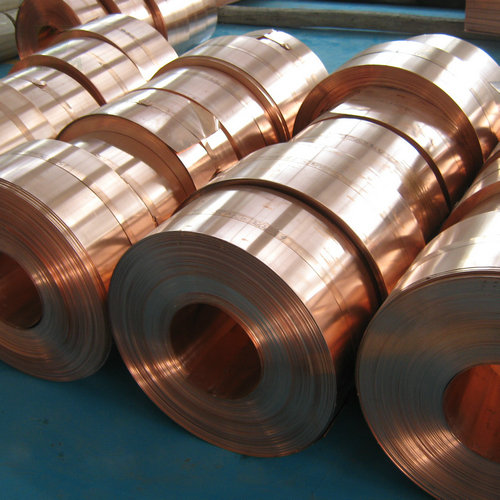
Now you have a comprehensive understanding of non-ferrous metals. Whether you need to purchase aluminum plates for a construction project or look for special copper alloys for precision equipment, we can meet your needs.
Please contact us through the following methods and tell us your needs (metal type, grade, size, quantity, etc.), and our sales engineer will provide you with a detailed and competitive quotation within 24 hours.
Conclusion and Summary
This article introduces the definition, classification, common types, and rare types of non-ferrous metals, and compares the differences between non-ferrous metals and other metals in terms of material properties, process treatment, application fields, and environmental impact. From these different analyses, the following conclusions and conclusions can be drawn:
Non-ferrous metals refer to metals other than iron and steel, including copper, aluminum, lead, zinc, nickel, tin, gold, silver, etc.
Non-ferrous metals usually have good electrical conductivity, thermal conductivity, and ductility, and are suitable for electronics, aerospace, construction, transportation, metallurgy, and chemical industries.
Rare non-ferrous metals have high special functions and use value, such as tungsten, molybdenum, rhenium, zirconium, etc.
Compared with other metals, non-ferrous metals have different characteristics and application areas. Non-ferrous metals are softer and easier to process, and are more suitable for making cables, pipes, alloys, and building materials etc., while other metals, such as steel and iron, are more suitable for automobiles, machinery, construction, and shipbuilding because of their higher strength and toughness.
Non-ferrous metals generally have higher corrosion resistance and oxidation resistance, are more durable in some special environments, and can be recycled and reused with less impact on the environment.
Non-ferrous and other metals play a vital role in modern industry and technology.
To sum up, understanding the definition, classification, and characteristics of non ferrous metals is very important for engineers and technicians, material scientists, and manufacturing companies, because this knowledge can help them choose suitable metal materials and manufacturing processes to meet different needs and applications.