[email protected]

24/7 Customer Support

+86-13761906384

24/7 Customer Support

What are the 4 Types of Copper Tube?

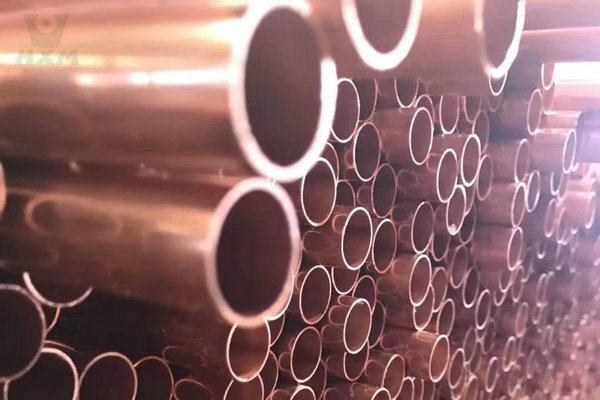
Copper tubes are widely used in many industries due to their excellent durability, corrosion resistance, and thermal and electrical conductivity. Copper tubes can be divided into different types according to different usage scenarios. This article will introduce 4 common types of copper tubes and their applications to help copper tube buyers choose the most suitable copper tube products.

Contact us today for a comprehensive consultation and a competitive quote!

4 Types of Copper Tube

K-Type Copper Tubes

Features:

  • Thickest wall: Type K copper tubes are the thickest among all copper tube types, with strong pressure resistance and durability.

  • Forms: There are two options: hard tube (rigid) and hose (flexible) to meet different installation needs.
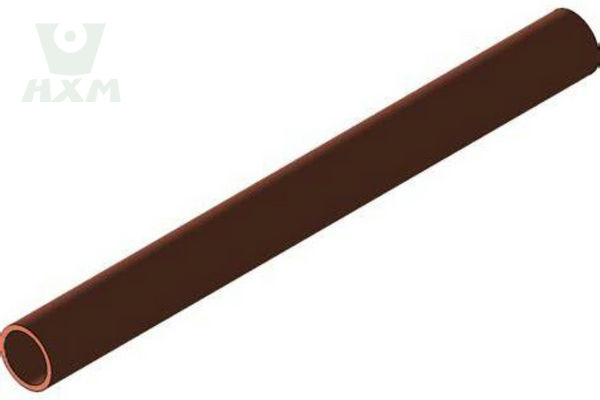
4 Types of Copper Tubes

Applications:

  • Underground water supply system: Type K copper tubes are often used in underground water supply pipelines. Their thick wall design can withstand high underground pressure and have good corrosion resistance, making them suitable for use in harsh environments.

    • Copper Pipe Application
  • Heating, ventilation, and air conditioning (HVAC) system: In HVAC systems, Type K copper tubes can be used for high-pressure refrigerant pipelines. Their thick walls make them perform well under high pressure.

  • Fire protection system: Due to its pressure resistance and durability, Type K copper tubes are often used in fire sprinkler systems, especially in high-rise buildings or industrial applications.

L-Type Copper Tubes

Features:

  • Moderate wall thickness: L-type copper tubes have slightly thinner walls than K-type, but still provide good pressure resistance and durability.

  • Forms: Available in rigid and flexible versions, suitable for a wide range of applications.

Applications:

  • Residential water supply systems: L-type copper tubes are widely used in household water supply systems. They have moderate wall thickness and can meet the pressure requirements of residential water supply. They are also moderately priced and cost-effective.

  • Commercial water supply and HVAC systems: L-type copper tubes are a common choice in commercial building water pipes and HVAC systems where moderate pressure and durability are required.
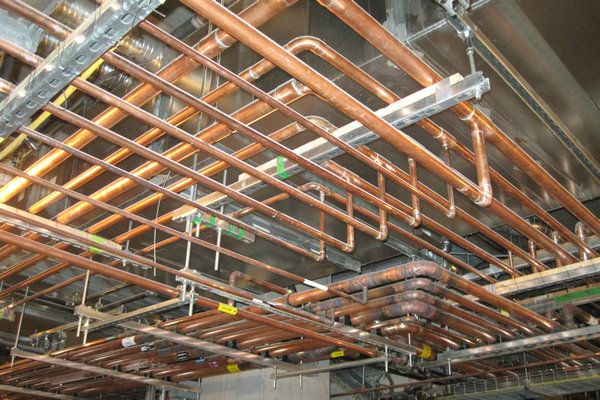
Copper Pipe Application

  • Compressed air systems: L-type copper tubes can also be used in compressed air pipes, and their corrosion resistance makes them suitable for such applications.

M-Type Copper Tubes

Features:

  • Thinnest Wall: Type M Copper Tubes are the lightest and thinnest copper tubes, typically used in low-pressure applications, and are relatively inexpensive.

  • Rigid Tubes: Typically only available in **rigid (hard tube)** form, not suitable for high-pressure environments.

Applications:

  • Low-Pressure Residential Water Supply: Type M Copper Tubes are commonly used in residential low-pressure water supply systems, where high pressure is not required, and their lightweight design makes them an affordable choice.

  • Drainage and Heating Systems: Type M Copper Tubes are also common in drainage and low-pressure heating systems, suitable for radiators or low-pressure hot water systems.
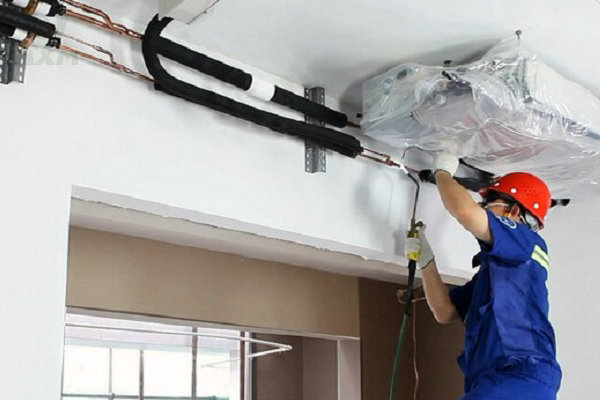
Copper Pipe Application

DWV-Type Copper Tubes

Features:

  • Designed for drainage: DWV copper tubes have thinner walls than K-type and L-type copper tubes, but are specifically designed for non-pressure drainage and ventilation systems.

  • Identification: Usually marked in yellow to distinguish it from other types of copper tubes.

Application:

  • Drainage system: DWV copper tubes are most commonly used in drainage systems in residential and commercial buildings. Since they are not under pressure, they can work effectively in wastewater discharge and drainage pipes.

  • Ventilation system: DWV copper tubes are also ideal for ventilation duct systems to guide air or exhaust gases out of buildings.

  • Wastewater discharge: In restrooms, kitchens, and other drainage applications, DWV copper tubes are used to discharge wastewater without pressure.
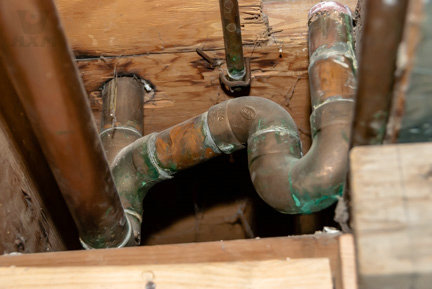
Copper Pipe Application

Comparison of Copper Tube Types

FeatureType KType LType MType DWV
Wall ThicknessThickestMediumThinThinnest
Pressure RatingHighestHighModerateNon-Pressurized
Common UsesUnderground Mains, CommercialInterior Plumbing, HVAC, FireResidential Water LinesDrains, Waste, Vents
Color CodeGreenBlueRedYellow
Available FormsRigid & SoftRigid & SoftPrimarily RigidPrimarily Rigid

Specialized Copper Tubes for HVAC & Refrigeration (ACR)

While Type L is often used for HVAC, a specialized category called ACR (Air Conditioning and Refrigeration) tubing is the gold standard. These tubes are designed to meet the strict requirements of modern refrigerant systems.

ACR tubes, which comply with the ASTM B280 standard, are internally cleaned and capped at the factory to prevent moisture and contaminants from entering, ensuring the purity required for refrigerant lines.

Sourcing for sensitive refrigerant systems? Ensure optimal performance with our certified ACR tubing.

Adhering to Quality: The Importance of ASTM Standards

As a professional buyer, you should always verify that your copper tubes meet relevant industry standards. This guarantees quality, safety, and performance. Our products adhere to key international standards, including:

  • ASTM B88: The standard specification for seamless copper water tube (Types K, L, M).

  • ASTM B280: The standard for seamless copper tube for Air Conditioning and Refrigeration Field Service.

  • ASTM B306: The standard for copper drainage tube (DWV).

How to Choose the Right Copper Pipe?

The choice of copper pipe mainly depends on the application environment, pressure requirements, and budget. Here are a few key factors to consider when choosing:

  • Application scenario: If it is a high-pressure water supply or an underground pipeline that needs to withstand high corrosion, a K-type copper pipe is the best choice. For general household water pipes, L-type copper pipes are a common choice, while DWV copper pipes are recommended for drainage systems.

  • Pressure requirements: High-pressure applications require thicker-walled pipes, such as K-type and L-type copper pipes. For no-pressure or low-pressure applications, M-type or DWV copper pipes are more suitable.

  • Budget: M-type copper pipes are relatively low in price and suitable for projects with limited budgets; K-type copper pipes are more durable and suitable for high-pressure systems that need to be used for a long time.

Choosing the right copper tube is more than just matching a letter to a project. It’s about ensuring quality, compliance, and long-term value. With a comprehensive range of copper tubes meeting all major ASTM standards, we are equipped to supply the right product for your specific application.

Don’t leave your project to chance. Our engineering team is ready to help you navigate the specifications and provide a material solution that meets your performance and budget requirements.

FAQ

You can only bend soft (annealed) copper tubing. Rigid copper tubing, such as standard lengths of Type L or M, will crack if you try to bend it and requires fittings to make turns.

The method used to connect copper tubes is crucial for a leak-free system. Common techniques include:

  • Soldering: Using a low-temperature filler metal to join pipes.

  • Brazing: A higher-temperature process creating a stronger joint, often used in HVAC.

  • Compression Fittings: A mechanical method that requires no heat.

  • Flare Fittings: Commonly used in high-pressure gas and refrigerant lines.

The primary difference is wall thickness and pressure rating. Type L is thicker and can handle higher pressures, making it more versatile. Type M is thinner and more suitable for low-pressure residential applications.

For underground service lines, Type K is the most durable choice. For standard interior plumbing, Type L is the most recommended due to its strength and reliability. Type M is a suitable, economical option for low-pressure residential systems.

In Conclusion

With a detailed introduction to K-type, L-type, M-type, and DWV copper tubes, you can choose the right type of copper tube according to the specific needs of your project. If you are engaged in residential water supply, commercial building drainage or industrial systems, understanding the characteristics of each copper tube will help you make an informed decision.

For further advice or to purchase high-quality copper tubes, please contact us at Huaxiao Metal. We provide copper tube products with various specifications and provide customized solutions according to your needs to ensure that your project goes smoothly.

Share:

Facebook
Twitter
Pinterest
LinkedIn

Contact Us For Metal Prices

Table of Contents

On Key

Related Posts

Welcome