When selecting high-carbon steel for blades, industrial cutting tools, springs, or wear-resistant components, two grades are often compared: 1080 steel and 1095 steel. Both belong to the AISI high-carbon steel family and are widely used in manufacturing because of their excellent hardness and strength after heat treatment.
Although these two materials may appear very similar at first glance, they differ significantly in carbon content, mechanical properties, heat treatment behavior, toughness, and typical applications. Understanding these differences is essential for engineers, manufacturers, and buyers who need to select the right material for their projects.
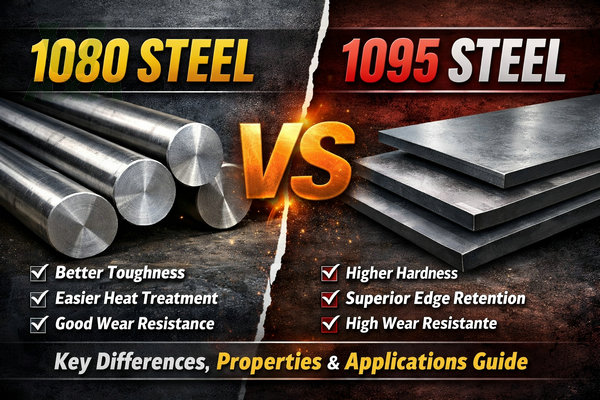
In this comprehensive guide, we will compare 1080 steel vs 1095 steel in detail, covering:
Chemical composition
Mechanical properties
Heat treatment characteristics
Industrial applications
Advantages and disadvantages
How to choose the right steel for your project
By the end of this guide, you will clearly understand which material performs better in different scenarios and how to select the best steel grade for your requirements.
What Is 1080 Steel?
1080 steel is a type of high-carbon steel that is commonly used in knife-making, bladesmithing, and other applications where a combination of hardness, toughness, and edge retention is desired. It belongs to the category of carbon steels, which are characterized by their relatively high carbon content and minimal alloying elements.
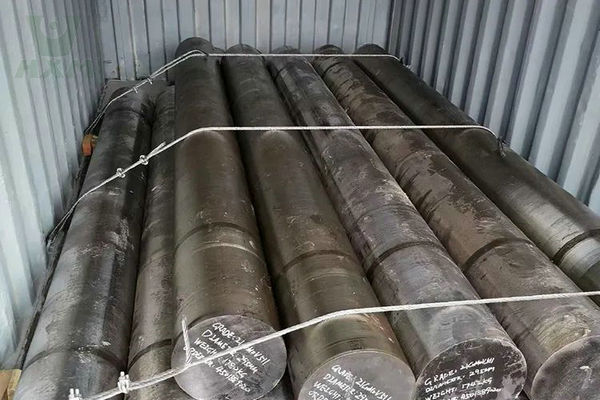
Looking Forward to Becoming One of Your 1080 Steel Suppliers
What Is 1095 Steel?
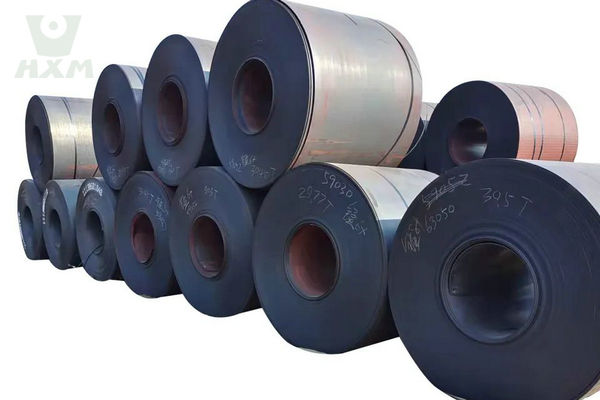
1095 steel is a high-carbon steel widely used in various cutting tools, particularly knives, due to its exceptional edge retention and sharpness. It falls within the category of carbon steels, which are known for their relatively high carbon content and minimal alloying elements. 1095 steel is popular among bladesmiths and knife enthusiasts who prioritize cutting performance and precision.
Looking Forward to Becoming One of Your 1095 Steel Suppliers
1080 Steel Vs 1095 Steel – What’s the Difference
1080 steel and 1095 steel are both popular choices for knife-making and other applications that require high-quality blades. They are both high-carbon steels, meaning they have a significant amount of carbon in their composition, which contributes to their hardness and edge retention. However, there are some differences between these two steels:
Chemical Compositions of 1080 Steel Vs 1095 Steel
- 1080 Steel: This steel contains around 0.75-0.88% carbon. It’s considered medium-high carbon steel.
- 1095 Steel: This steel contains about 0.90-1.03% carbon, making it a high-carbon steel.
Hardness and Edge Retention:
- Due to its higher carbon content, 1095 steel is generally harder and can achieve a sharper edge compared to 1080 steel. This gives knives made from 1095 steel excellent edge retention and cutting performance.
1080 Steel Vs 1095 Steel Toughness:
While 1095 steel can achieve a sharper edge, its higher carbon content can also make it more brittle compared to 1080 steel. 1080 steel tends to have better toughness and resistance to chipping or breaking.
1080 Steel Vs 1095 Steel Ease of Sharpening:
1080 steel might be a bit easier to sharpen due to its slightly lower carbon content and resulting milder hardness. 1095 steel can be more challenging to sharpen, but it can hold a finer edge once sharpened.
1080 Steel Vs 1095 Steel Corrosion Resistance:
Both 1080 and 1095 steels are not stainless and are prone to corrosion. However, due to its slightly higher carbon content, 1095 steel might be slightly more susceptible to corrosion. Proper care is essential for both steels to prevent rust.
1080 Steel Vs 1095 Steel Heat Treatment:
Heat treatment is essential for maximizing the performance of carbon steels.
1080 Steel Heat Treatment
- Hardening temperature: 800–830°C
- Easier to heat treat
- Wider temperature tolerance
1095 Steel Heat Treatment
- Hardening temperature: 800–850°C
- Requires more precise temperature control
- More sensitive to quenching conditions
Because of this difference, 1080 steel is often easier to process, while 1095 steel requires more precise heat-treatment control.
1080 Steel Vs 1095 Steel Cost:
The cost of steel may vary depending on factors such as availability, market demand, suppliers and location. Generally speaking, both 1080 and 1095 steels are relatively inexpensive compared to some of the other high performance steels used in knife making. However, due to their different carbon content and characteristics, they may cost slightly differently.
For current, accurate pricing information, please contact us directly, your steel supplier, or a retailer specializing in knife making materials.
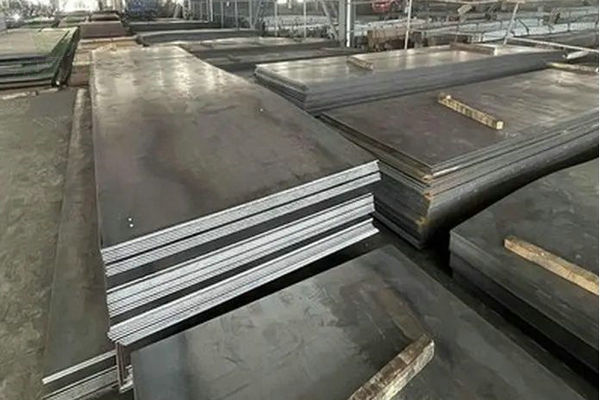
Looking Forward to Becoming One of Your 1080 and 1095 Steel Suppliers
1080 Steel Vs 1095 Steel Applications:
Both 1080 steel and 1095 steel are popular choices in various applications, particularly in knife-making, bladesmithing, and other tools where a balance between hardness, edge retention, and toughness is important. Here are some common applications for each type of steel:
1080 Steel Applications:
Knife Blades: 1080 steel is commonly used for making knife blades that require a good balance between toughness and edge retention. Knives made from 1080 steel are suitable for general-purpose cutting tasks.
Swords and Machetes: Due to its combination of toughness and edge retention, 1080 steel is also used in making swords, machetes, and other large cutting tools.
Chisels and Woodworking Tools: The toughness of 1080 steel makes it suitable for chisels, carving tools, and woodworking implements that need to hold an edge while resisting chipping.
Hand Tools: 1080 steel can be used for crafting various hand tools such as hatchets, axes, and hammers that require durability and the ability to hold an edge.
1095 Steel Applications:
Knife Blades: 1095 steel is known for its excellent edge retention and sharpness. Knives made from 1095 steel are often preferred by those who prioritize cutting performance and slicing efficiency.
Razors: Due to its ability to achieve a very sharp edge, 1095 steel is sometimes used in traditional straight razors and high-quality shaving razors.
Surgical Instruments: The sharpness and edge retention properties of 1095 steel make it suitable for crafting surgical instruments that require precision cutting.
Scissors and Shears: The hardness of 1095 steel makes it suitable for making scissors and shears that need to maintain a sharp edge for cutting fabrics, paper, and other materials.
Industrial Blades: 1095 steel can be used in the production of industrial blades for tasks such as cutting textiles, plastics, and other materials in manufacturing processes.
It’s important to note that the choice of steel for a specific application also depends on other factors such as heat treatment, blade design, and the intended use of the tool. While 1080 steel vs 1095 steels have their own strengths, they both offer versatility in a range of cutting and slicing applications.
1080 Steel vs 1095 Steel: Pros and Cons
Understanding the pros and cons of each steel grade can help manufacturers choose the most suitable material.
| Steel | Advantages | Disadvantages |
|---|---|---|
| 1080 Steel | Good toughness, easier processing | Slightly lower hardness |
| 1095 Steel | Excellent hardness and edge retention | More brittle |
1080 Steel vs 1095 Steel: Which One Should You Choose?
Choosing between 1080 steel and 1095 steel depends mainly on application requirements.
Choose 1080 steel if you need:
better toughness
improved impact resistance
easier heat treatment
Choose 1095 steel if you need:
higher hardness
excellent wear resistance
superior cutting performance
For most knife-making applications, 1095 steel is preferred because of its ability to maintain a sharp cutting edge for longer periods.
For springs or tools subjected to impact loads, 1080 steel may perform better.
FAQ – 1080 Steel vs 1095 Steel
Is 1095 steel better than 1080 steel?
Not necessarily. 1095 steel is harder and offers better edge retention, while 1080 steel provides better toughness.
Which steel is better for knives?
1095 steel is usually preferred for knives because it can achieve higher hardness.
Is 1080 steel easier to heat treat?
Yes. 1080 steel has a wider heat-treatment window and is easier to process compared to 1095 steel.
Does 1095 rust faster than 1080?
Both are “plain carbon steels” and lack Chromium. They rust at similar rates. Huaxiao Metal recommends VCI packaging or professional coating for all high-carbon shipments.
Can 1095 be welded to 1080?
Yes, often done in “Damascus” or laminated steel. However, careful pre-heating and post-weld stress relieving are required to prevent cracking in the 1095 layer.
Which steel has better toughness?
1080 steel provides better toughness and impact resistance.
Is 1095 steel harder than 1080 steel?
Yes. Because of its higher carbon content, 1095 steel can achieve greater hardness after heat treatment.
In conclusion
Both 1080 steel and 1095 steel are excellent high-carbon steels widely used in industrial manufacturing.
The primary difference between them is carbon content, which directly affects hardness, wear resistance, and toughness.
1080 steel offers better toughness and easier processing.
1095 steel provides higher hardness and superior edge retention.
Choosing the right material ultimately depends on your specific application requirements, processing capabilities, and performance expectations.
For buyers looking to source high-quality carbon steel materials, working with reliable suppliers ensures consistent quality and dependable delivery.