Hidden Dangers in Thick Steel Welding – Why is Z-Direction Steel Plate a Mandatory Requirement for Bridges, Offshore Platforms, High-Rise Buildings, and Other Critical Structures?
Imagine a multi-million dollar offshore project or a landmark skyscraper facing structural failure, not due to insufficient steel strength, but because of its internal orientation. In thick steel welding, a phenomenon known as lamellar tearing can occur, hidden deep within the steel joint. If you are working with steel plates thicker than 40 mm, understanding the orientation of the steel in the Z-direction (thickness direction) is not just a matter of choice, but a safety requirement.
In this guide, you’ll learn what Z-direction steel plate is, how Z15 / Z25 / Z35 differ, when it is required, and how buyers can avoid costly specification mistakes while securing competitive prices.
What Exactly is Z-Direction Steel?
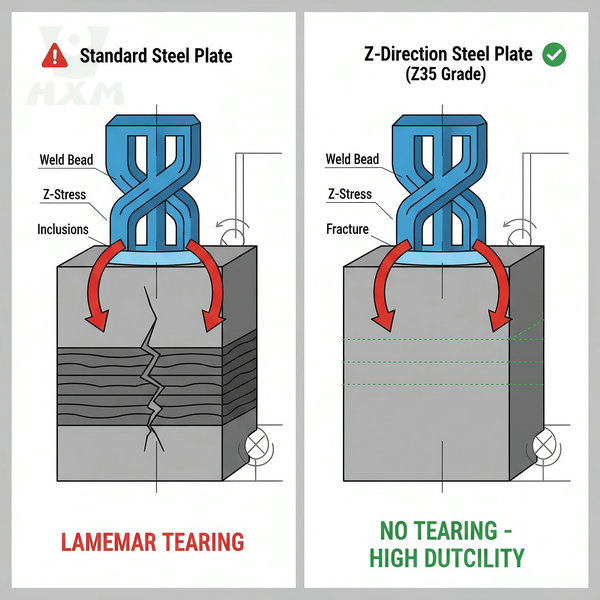
Standard steel plates are tested for strength along their length and width (X and Y axes). However, during heavy welding, the cooling weld metal shrinks, pulling the steel in its thickness direction (Z-axis).
If the steel contains microscopic sulfur inclusions, it can peel apart like the layers of a wafer. Z-direction steel is specially refined (typically through LF+VD vacuum degassing) to reduce sulfur content to near-zero, ensuring the steel is just as strong “up and down” as it is “side to side.”
Why Z-Direction Performance Matters in Welding
Lamellar tearing typically occurs when:
Thick steel plates are used
Welds are highly restrained
Multi-pass welding is applied
Shrinkage stress acts through the thickness
When Z-direction ductility is insufficient, internal cracking forms below the weld, often invisible until failure.
Z-direction steel plates reduce this risk by:
Lower sulfur content
Cleaner steelmaking processes
Guaranteed reduction of area (RA) in Z-direction
Many structural failures are not design errors — they are material selection errors.
Z15, Z25, or Z35: Which One Do You Need?
Not every project requires the highest grade. Choosing the right “Z-Class” can save you thousands in material costs while maintaining safety.
First, let’s understand the differences between them, and then see how to choose the right Z Grade.
Z15 vs Z25 vs Z35 — What’s the Difference?
Z-direction grades are defined by minimum reduction of area (RA) values:
| Z Grade | Z-Direction RA | Typical Use |
|---|---|---|
| Z15 | ≥ 15% | Light welded structures |
| Z25 | ≥ 25% | Medium-thickness, restrained welds |
| Z35 | ≥ 35% | Offshore, bridges, critical joints |
How Buyers Should Choose
Plate ≤ 20 mm, low restraint → Z15 may be sufficient
Plate 20–50 mm, structural welding → Z25 recommended
Plate ≥ 50 mm, offshore / seismic → Z35 strongly advised
📩 Not sure which Z-grade applies to your project? Sharing thickness and welding details helps avoid overspending or under-specifying.
3 Red Flags to Watch For When Sourcing Z-Direction Steel
As a purchasing manager, how can you ensure you’re sourcing genuine high-performance Z-axis steel? Always check the following three points in the supplier’s documentation:
Ultra-low sulfur content: The mill test report (MTR) should show that the sulfur content of Z35 grade steel is below 0.005%.
Ultrasonic testing (UT) certification: Z-axis steel must be free of internal delamination. Please check if it conforms to ASTM A578 Class C or EN 10160 S2 standards.
Thickness-direction tensile test results: Professional suppliers will provide Z-axis tensile test data, not just standard longitudinal tensile test data.

S355NL+Z35 Steel Plate | High-Strength Structural Steel with Maximum Z-Direction Performance S355NL Z35 steel plate is a normalized fine-grain structural steel produced according to EN
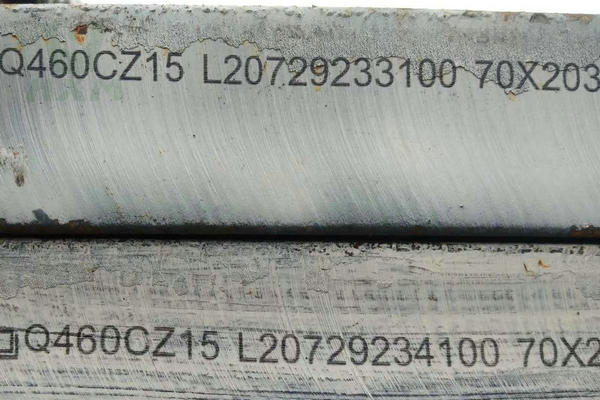
Q460C Z-Direction Steel Plate (Equivalent to S460Q / ASTM A514) Supplier (Z15/Z25/Z35)– Huaxiao Metal Q460C is a high-yield strength structural steel (min. 460 MPa) engineered
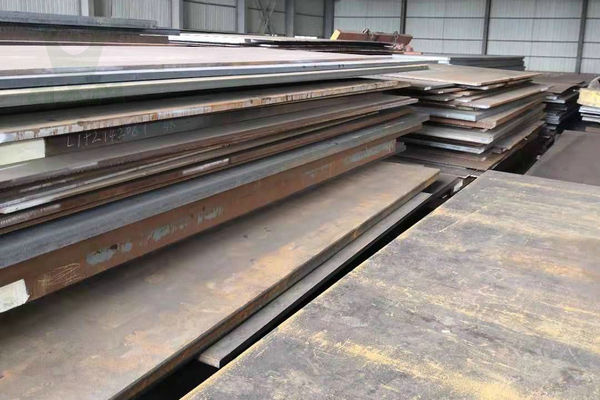
Q420B Z15 Z25 Z35 Steel Plate Supplier | High-Strength Z-Direction Steel – Huaxiao Metal Looking for Q420B Z15, Z25, Z35 steel plates with high strength
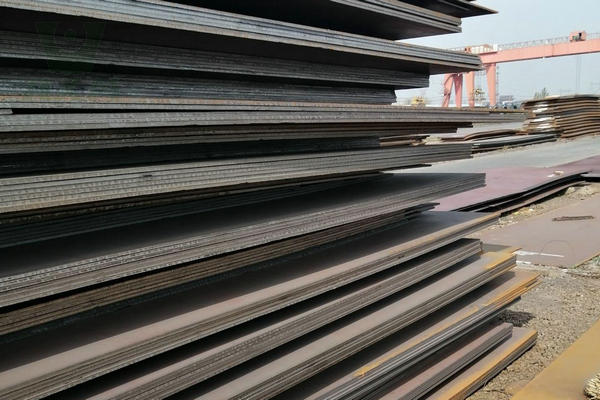
Q390B Z-Direction Steel Plate (Equivalent to ASTM A572 Grade 60 / S395) Plate Supplier Q390B Z15/Z25/Z35 Steel Plate – High-Strength Laminated Steel by Huaxiao Metal
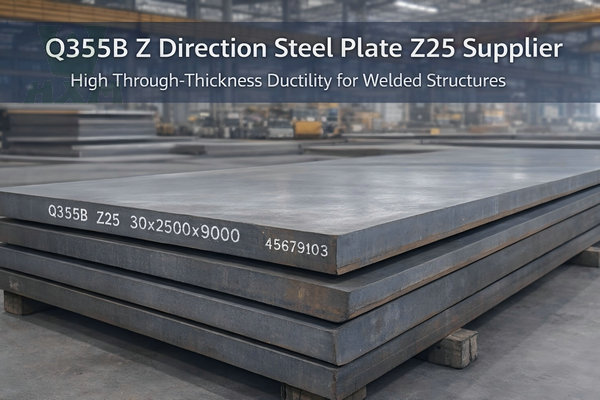
Q355B Z15 / Z25 / Z35 Steel Plate
Q355B Z15 / Z25 / Z35 Steel Plate Supplier Q355B Z Direction Steel Plate (Z15 / Z25 / Z35) – High Quality Structural Steel for
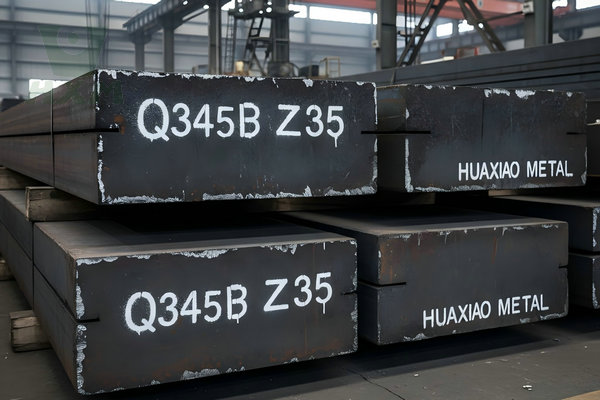
Q345B Z15 / Z25 / Z35 Steel Plate
Q345B Z15 / Z25 / Z35 Steel Plate: High-Performance Z-Direction Steel Q345B Z-direction steel plate is a low-alloy high-strength structural steel specifically processed to improve
How to Prevent Lamellar Tearing in Your Next Project
Beyond selecting the right Z-direction steel plate, consider these engineering best practices:
Improve Joint Design: Use forged components for extremely complex nodes.
Control Welding Heat: Minimize the volume of weld metal to reduce shrinkage stress.
Standard Compliance: Ensure your material meets EN 10164 or ASTM A770 to guarantee global engineering acceptance.
Pricing Considerations: Is Z-Direction Steel Plate Expensive?
Yes, Z-direction steel plate costs more per ton, but experienced buyers focus on total project cost, not material price alone.
Z-grade steel helps avoid:
Weld repair costs
Inspection rejection
Project delays
Structural risk
In many EPC projects, Z25 or Z35 reduces overall cost, even with a higher unit price.
mart buyers confirm Z-grade early to avoid last-minute premium pricing.
FAQ: Everything You Need to Know About Z-Direction Steel
Does Z-direction steel cost significantly more than standard steel?
There is a premium for Z-direction performance due to the extra vacuum degassing (LF+VD) and rigorous tensile testing required. However, compared to the cost of repairing a structural failure caused by lamellar tearing, the investment is minimal.
Can I use standard Ultrasonic Testing (UT) instead of Z-direction testing?
No. While UT checks for internal defects like cracks or inclusions, it doesn’t measure the steel’s ductility in the thickness direction. Only a Z-direction tensile test (Zz value) can guarantee resistance to tearing.
What is the most common grade for export projects?
S355J2+Z35 (European Standard) and A572 Gr.50-Z35 (American Standard) are our most frequently requested grades for international infrastructure and offshore projects.
Is there a minimum thickness for Z-direction requirements?
Typically, steel plates with a thickness of 40 mm (1.57 inches) or greater require Z-direction stress testing because welding stress is most concentrated in this direction. However, we can also provide testing services for thinner steel plates if needed.
Get Technical Confirmation Before Ordering
Choosing the correct Z-direction steel plate is a technical decision, not just a pricing one.
📩 Leave your inquiry below with:
Plate thickness
Quantity
Base grade
Welding or application details
👉 Our engineers will confirm the right Z-grade and provide a competitive quotation within 24 hours.
Avoid lamellar tearing. Avoid overspending. Get the right Z-direction steel plate from the start.