
When it comes to stainless steel, understanding the distinction between SS vs SUS is crucial for manufacturers, engineers, and buyers. At Huaxiao Metal, we supply a wide range of stainless steel sheets, coils, strips, rods, pipes, and wires, meeting international standards including ASTM, JIS, and EN. This guide will help you understand the differences between SS and SUS, their applications, equivalences, and how to choose the right stainless steel for your projects.
What is SS (Stainless Steel)?
SS, or stainless steel, is a widely used international designation, mainly in the US and Europe. SS is known for its corrosion resistance, durability, and versatility. Common applications include:
Construction: Structural components, cladding, and roofing
Kitchenware: Sinks, cutlery, and cookware
Automotive & Aerospace: Exhaust systems, structural parts
Medical & Pharmaceutical: Surgical instruments and medical equipment
Key Features of SS:
Excellent corrosion resistance
High strength and durability
Hygienic and easy to clean
Available in multiple finishes (2B, BA, No.4, mirror)
Understanding SS vs SUS helps determine which stainless steel is suitable for your project requirements.
What is SUS?
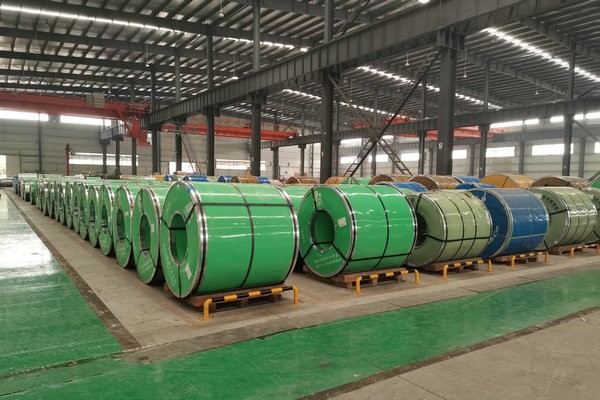
SUS stands for Steel Use Stainless, a Japanese designation under the JIS (Japanese Industrial Standard). SUS grades correspond to international SS grades and specify exact chemical composition and mechanical properties.
Common SUS Grades and Equivalents:
| JIS SUS | Equivalent SS (AISI/ASTM) | Key Features |
|---|---|---|
| SUS304 | 304 | Excellent corrosion resistance, widely used in kitchen and industrial applications |
| SUS316 | 316 | Superior corrosion resistance, ideal for chemical and marine environments |
| SUS430 | 430 | Ferritic stainless steel, magnetic, suitable for decorative or indoor use |
Key Features of SUS:
Compliance with Japanese JIS standards
Precise chemical composition and mechanical properties
Widely used in Asia and for exports
Often interchangeable with international SS grades
Knowing SS vs SUS ensures you choose the right grade for performance and standard compliance.
SS vs SUS – Major Differences Comparison Chart
| Feature | SS | SUS |
|---|---|---|
| Origin | International, mainly US/Europe | Japan (JIS standard) |
| Naming | Generic term (304, 316, 430, etc.) | JIS code (SUS304, SUS316, SUS430) |
| Standards | ASTM, AISI, EN | JIS (Japanese Industrial Standard) |
| Applications | Global use | Mainly Japan/Asia markets |
| Magnetic Properties | Depends on grade (e.g., 304 non-magnetic, 430 magnetic) | Same as equivalent SS grade |
The SS vs SUS comparison highlights that while the materials are often equivalent, the naming convention and standard compliance differ, which can impact procurement and quality assurance.
What are the Differences Between SS and SUS?
1. Hardness
One of the first noticeable differences between SS and SUS is hardness.
- SS (Stainless Steel): Generally has a slightly higher hardness in standard grades like 304 or 316, making it suitable for applications requiring wear resistance.
- SUS (Japanese Stainless Steel): Graded according to JIS (Japanese Industrial Standard), SUS grades like SUS304 or SUS430 can have slightly different hardness values due to stricter chemical composition control.
- Tip: When your project demands high durability or scratch resistance, always check the specific hardness values for the exact grade.
2. Cost
Cost is a crucial factor for procurement:
- SS: Widely manufactured and traded internationally, often more affordable in bulk quantities.
- SUS: Sometimes more expensive depending on the import source, especially if it’s a certified JIS material with traceable quality.
For buyers seeking cost-effective options, comparing SS vs SUS prices can help optimize the budget without compromising quality.
3. Trace Elements
Trace elements in the steel, such as nickel, chromium, and molybdenum, can influence corrosion resistance and mechanical properties:
- SS: Composition varies by country standards (ASTM, EN, GB), often optimized for corrosion resistance in diverse environments.
- SUS: Japanese standards (JIS) maintain precise trace element limits, which may improve consistency in performance.
- Practical Insight: If your project operates in corrosive environments, verify the trace element content for the specific grade to ensure long-term performance.
4. Thermal Conductivity
The ability to conduct heat differs slightly between SS and SUS:
- SS: Offers moderate thermal conductivity, ideal for applications like kitchenware and heat exchangers.
- SUS: Conductivity may vary slightly due to composition differences, which can affect heat distribution in high-precision applications.
5. Weldability
Welding performance is essential in fabrication:
- SS: Most standard SS grades weld easily with standard techniques, producing strong joints.
- SUS: While weldable, some SUS grades may require preheating or post-weld treatment to avoid cracking or stress corrosion.
- Pro Tip: Always check the weldability notes in the grade datasheet before starting fabrication.
6. Availability
Availability depends on the regional supply and demand:
- SS: Widely available globally in sheets, coils, bars, and tubes.
- SUS: More common in Japan and Asia; international buyers may face longer lead times or minimum order quantities.
Contact suppliers to confirm stock availability if you need urgent delivery.
7. Finish Options
Surface finish affects aesthetics and functionality:
- SS: Offers various finishes, including 2B, BA, No.4, and mirror polishing, catering to decorative and industrial use.
- SUS: Typically matches SS finishes, but sometimes with stricter quality control under JIS standards.
8. Tensile Strength
Tensile strength determines the material’s load-bearing capability:
- SS: Varies by grade; austenitic SS like 304 provides excellent strength for structural applications.
- SUS: Comparable to SS but with precise grading under JIS, ensuring consistent mechanical performance.
9. Oxidation Resistance
Corrosion and oxidation resistance a key factors:
- SS: High resistance to oxidation and rust due to chromium content.
- SUS: JIS-certified SUS grades often guarantee superior oxidation resistance, ideal for harsh environments.
- Final Insight: When deciding between SS vs SUS, consider your application’s environment, mechanical requirements, and budget constraints. Both materials are excellent, but understanding their subtle differences ensures the right choice.
How to Choose Between SS and SUS
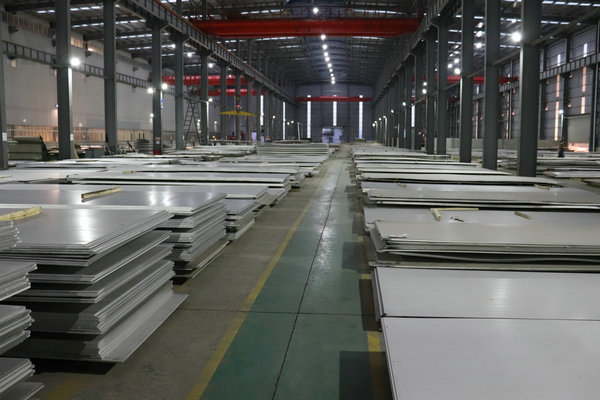
Choosing between SS and SUS depends on your project requirements, standards compliance, and region of use:
Grade Requirements: For corrosive environments, 316 or SUS316 is recommended.
Regional Standards: Projects in Japan or Asia may prefer SUS grades for compliance.
Magnetic Properties: Choose 430/SUS430 if magnetic response is needed.
Surface Finish: Consider finishes for aesthetics, hygiene, and industrial suitability.
At Huaxiao Metal, we provide guidance on SS vs SUS selection, stock availability, and technical support for your stainless steel needs. Contact us today for a quote or consultation.
Common Applications of SS and SUS
Kitchen Equipment: SS304/SUS304 for sinks, utensils, and appliances
Industrial Equipment: Pumps, tanks, and piping in chemical and food processing
Architectural & Decorative Use: SS430/SUS430 for panels, doors, and indoor fixtures
Automotive Parts: Exhaust systems, heat exchangers, and structural components
Understanding SS vs SUS ensures you choose materials that deliver durability, corrosion resistance, and performance.
FAQ
What is the difference between SS and SUS?
SS refers to general stainless steel under international standards, while SUS is the Japanese JIS designation. The chemical composition and performance are often equivalent.
Can I use SUS304 instead of SS304?
Yes, SUS304 is equivalent to SS304 in performance, corrosion resistance, and applications.
Are all SS grades non-magnetic?
No. Austenitic SS like 304 is usually non-magnetic, while ferritic grades like 430 are magnetic.
Which is better, SS or SUS?
Both are high-quality stainless steels. Choice depends on project requirements and standards compliance.
How can I get pricing and stock information?
Contact Huaxiao Metal to get the latest SS vs SUS stock availability and pricing.
Why Choose Huaxiao Metal?
At Huaxiao Metal, we are a leading stainless steel supplier offering:
A wide range of SS and SUS products
Fast delivery with available stock
Technical guidance for material selection
Compliance with ASTM, JIS, and EN standards
Request a quote today and get professional support for your SS vs SUS selection and procurement needs.