Performance & Safety Compliance: Meeting ASTM B265, AMS 4911, or ISO 5832 standards.
Machining Consistency: Ensuring stable hardness and grain structure.
Supply Chain Stability: Managing lead times amidst global titanium sponge fluctuations.

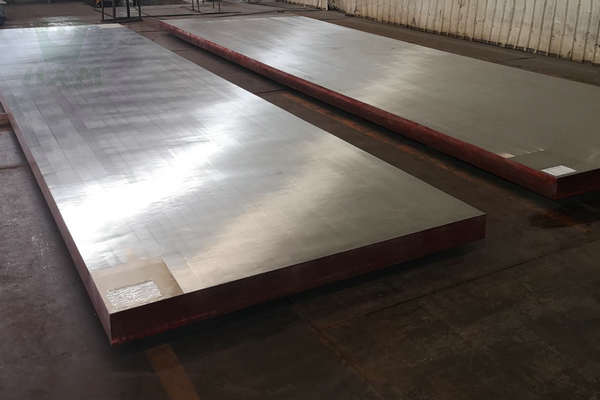
Why Supplier Selection Matters in Titanium Alloy Procurement
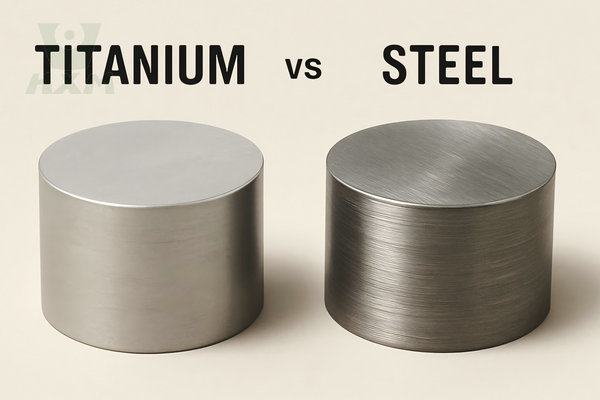
Titanium alloy is a high-value engineering material. Unlike common carbon or stainless steel, titanium alloys involve:
Strict chemical composition control
Precise mechanical property requirements
Higher processing and machining costs
An unreliable supplier may cause material failure, project delays, or cost overruns. That’s why global buyers increasingly prefer working with experienced titanium alloy manufacturers with export capability, rather than trading-only companies.
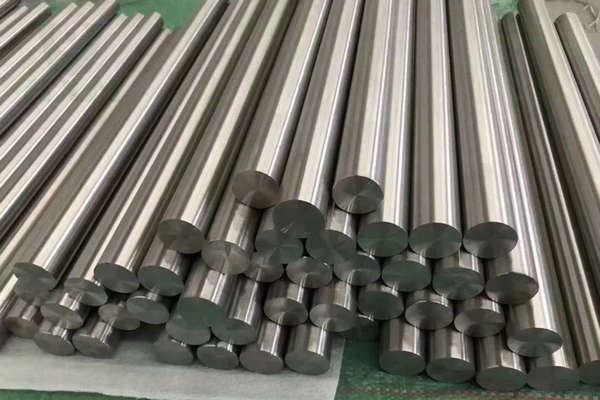
Understanding Titanium Grade Equivalents & Global Standards
Before evaluating suppliers, it is critical to understand titanium grade equivalencies and international standards. Different industries (aerospace, medical, marine, chemical) require different certification systems.
Titanium Grade Reference Table
Titanium Grades and Standards Overview
| Titanium Grade | Common Standard | Key Industry Applications |
|---|---|---|
| Grade 2 (CP Ti) | ASTM B265 / B348 | Chemical Processing, Heat Exchangers |
| Grade 5 (Ti-6Al-4V) | AMS 4911 / ASTM B265 | Aerospace, Medical Implants, Marine |
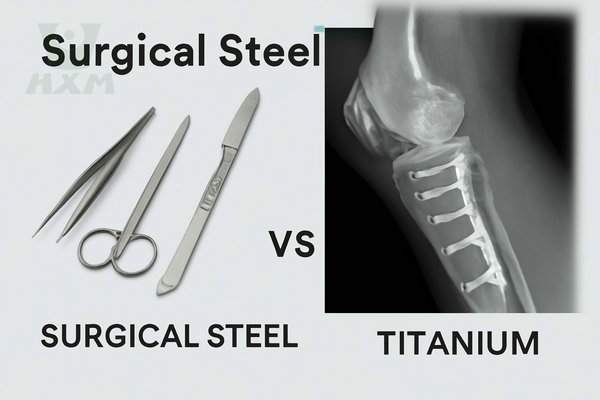
| Grade 23 (Ti-6Al-4V ELI) | ASTM F136 | Surgical Tools, High-end Medical |
Key Risks When Choosing a Titanium Supplier
Many industrial procurement failures in the titanium industry are not caused by price itself, but by hidden qualification risks that appear after production or delivery.
Understanding these risks is essential for aerospace, medical, marine, and chemical buyers.
❌ Non-compliant Chemical Composition: Inconsistent Ti-6Al-4V content or excessive interstitial elements can lead to structural failure. Always beware of suppliers who cannot provide third-party lab verification (SGS/BV).
❌ Failure to Meet ASTM/AMS Standards: Many low-cost plates fail to comply with ASTM B265 or AMS 4911, making them unusable for aerospace or medical applications.
❌ Lack of International Export Experience: Weak logistics leads to delayed shipments, oxidized surfaces due to poor sea-freight packaging, and customs clearance hurdles.
❌ Limited Precision Machining Capability: Suppliers without in-house CNC or water-jet cutting often fail to meet strict tolerance requirements, increasing your downstream costs.
3 Critical Risks of Sourcing Titanium Alloy from Unverified Suppliers
When sourcing titanium alloy products, professional buyers typically focus on the following points:
✔ Product Range & Grades
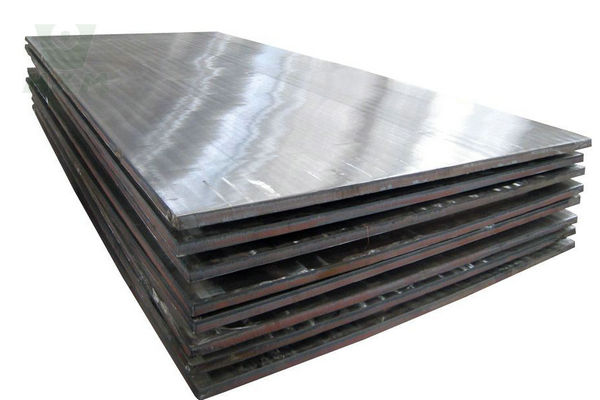
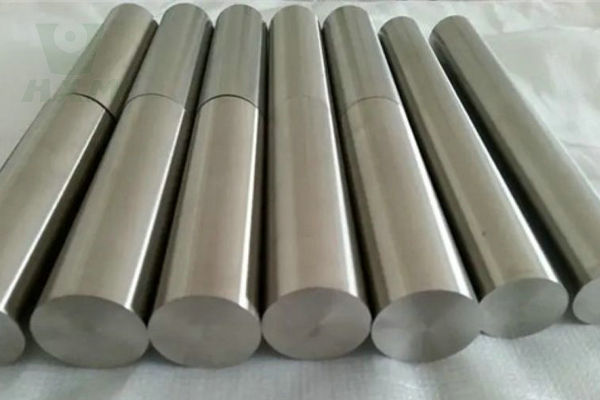
A qualified supplier should offer multiple grades such as Grade 1, Grade 2, Grade 5 (Ti-6Al-4V), Grade 9, and Grade 23, along with different product forms like sheets, plates, bars, and tubes.
👉 A complete product range reduces supplier switching and simplifies long-term procurement.
✔ Quality Standards & Certification
Reliable titanium alloy suppliers should comply with ASTM, AMS, ISO or equivalent international standards, and provide:
Mill Test Certificates (MTC / EN 10204 3.1)
Traceable heat numbers
Optional third-party inspection
These documents are essential for aerospace and medical applications.
✔ Stock Availability & Lead Time
For project-based buyers, delivery time is often as important as price. Suppliers with stable stock and processing capacity can support:
Faster shipment
Reduced project risk
Emergency or repeat orders
This is especially important when sourcing titanium alloy from overseas markets.
Titanium Alloy Price: What Really Affects Cost?
Many buyers search for “titanium alloy price” or “Ti-6Al-4V price per kg”, but actual pricing depends on several variables:
Alloy grade (commercially pure vs high-performance alloy)
Product form (sheet, bar, tube, forged part)
Dimensions and tolerances
Order quantity
Machining or surface processing requirements
Instead of fixed prices, professional suppliers provide accurate quotations based on real specifications, helping buyers control total procurement cost.
👉 For current pricing and stock information, buyers usually contact a direct titanium alloy manufacturer rather than relying on online estimates.
China as a Global Titanium Alloy Supply Center
China has become one of the world’s most important sources of titanium alloy due to:
Mature production technology
Competitive manufacturing costs
Complete industrial supply chains
Strong export experience
Many international companies now work directly with Chinese titanium alloy suppliers to achieve better price-performance balance while maintaining quality standards.
However, choosing the right supplier remains critical, especially for export compliance and consistency.
Choosing a Long-Term Titanium Alloy Partner
For companies that require stable supply, technical support, and custom solutions, it is recommended to cooperate with suppliers who can offer:
Standard products + custom machining
Technical consultation for material selection
Flexible MOQ and bulk supply options
Long-term cooperation mindset
This approach reduces sourcing risk and improves efficiency over time.
Recommended Titanium Alloy Supplier for Global Buyers
For buyers looking for a reliable titanium alloy supplier and manufacturer in China,
Huaxiao Metal provides titanium alloy sheets, plates, bars, tubes, and custom products with international standards, competitive pricing, and global export service.
You can learn more about available grades, specifications, and request quotations directly here:
In Conclusion: How to Choose a Reliable Titanium Alloy Supplier
Sourcing titanium alloy is not only about price—it’s about quality assurance, delivery reliability, and long-term value. By working with a professional titanium alloy manufacturer, buyers can ensure a stable supply and successful project execution.
If you are planning to source titanium alloy for industrial, aerospace, or medical use, choosing the right supplier is the first and most important step.
Recommended Articles