
[email protected]
24/7 Customer Support
+86-13761906384
24/7 Customer Support
24/7 Customer Support
24/7 Customer Support
Cold-rolled carbon steel coated with tin — the global standard for food-safe, corrosion-resistant packaging and decorative metal containers.
For decades, Huaxiao Metal has been supplying high-quality tinplate and tin coated steel in a variety of specifications, coating weights, and conditions for a variety of industrial purposes. Huaxiao Metal’s products combine strength, corrosion resistance, lightweight, and ductility, making them ideal for many precision uses, including food packaging and consumer goods.
No matter your industry or application, we are committed to providing you with the best tinplate and tin coated steel products. Looking forward to becoming one of your tinplate suppliers, you are also welcome to visit our tin plate factory!
| Parameter | Specification | Notes |
|---|---|---|
| Product Type | Electrolytic Tinplate (ETP) | Hot-dip (HDT) available on request |
| Base Steel Grade | SPCC (commercial quality), MR (medium-reduced) | Other grades available on request |
| Annealing Type | BA (Batch Annealed) / CA (Continuous Annealed) | Select based on formability vs strength needs |
| Temper Grades | T1, T2, T3, T4, T5, DR8, DR9, TH550, TH580, TH620, TH660 | See temper table for details |
| Tin Coating Weight | 1.1–11.2 g/m² (#10 to #100) | Differential coating available |
| Thickness | 0.15–3.0mm | Tolerance: ±0.01mm |
| Width | 600–1050mm | Custom widths available |
| Length (sheets) | 2000, 2438, 3000, 3500, 6000mm (or custom) | Coil form available |
| Surface Finish | Bright, Stone, Silver, Matte, Gold Lacquered | See surface finish table for details |
| Product Form | Coil, Sheet (cut length), Blank | Slitting & shearing available |
| Standards | ASTM A623–A657, EN 10203, JIS G3303 | MTC per EN 10204 3.1 |
| Food Safety | FDA 21 CFR 175.300, EU 1935/2004/EC | SGS migration testing report available |
| Certifications | ISO, SGS | Quality & food-contact compliance |
| Delivery Time | 10–15 working days (stock: 5–7 days) | Volume orders: negotiable |
| Supply Capacity | 500+ metric tons/month | Scalable for large-volume contracts |
| MOQ | 5 metric tons per temper/coating combination | Free samples (1–2 sheets) available |
| Payment Terms | L/C, T/T, D/P | Negotiable for established customers |
| Export Packaging | VCI anti-rust paper + steel strapping + wooden pallet | ISPM 15 compliant, custom packaging available |
Looking for a reliable tinplate supplier or manufacturer? Huaxiao Metal is one of the trusted tinplate suppliers in China, offering competitive prices and a wide range of stock options to meet customer needs. Contact us today to learn more about our tinplate products.
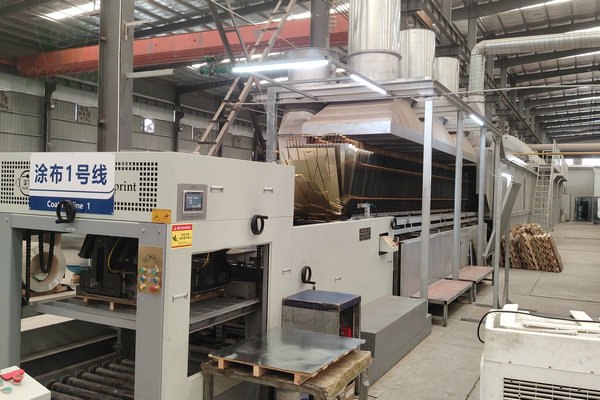
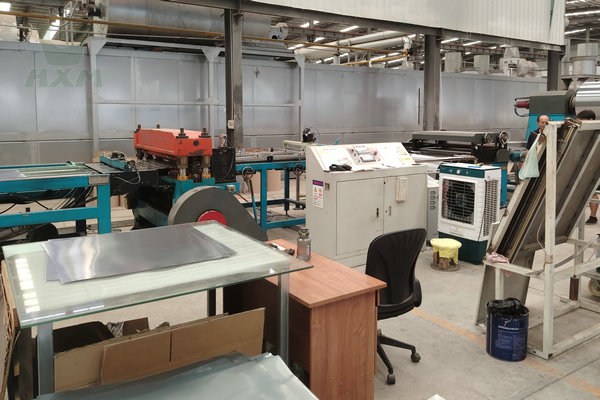
Understanding how tinplate is made helps you evaluate coating quality and surface consistency. The modern electrolytic tinning (ETP) process follows eight controlled stages:
| Step | Process | Purpose | Key Parameter |
|---|---|---|---|
| 1 | Surface Preparation | Remove rust, oils, and oxides from cold-rolled steel | Acid pickling (HCl/H₂SO₄) or abrasive cleaning |
| 2 | Electrocleaning | Remove residual contaminants via electrolysis | Alkaline bath, 10–20 A/dm² current density |
| 3 | Tin Plating Bath | Prepare electrolyte solution for tin deposition | Stannous sulfate (SnSO₄), pH 3–4, 40–50°C |
| 4 | Electroplating | Deposit tin layer onto steel substrate | Current: 5–30 A/dm², coating speed: 200–600 m/min |
| 5 | Rinse & Dry | Remove residual plating solution | Multi-stage water rinse, hot-air drying |
| 6 | Post-Treatment | Improve tin adhesion and surface properties | Flow-melting (250–280°C) — optional reflow for bright finish |
| 7 | Quality Control | Verify coating thickness, adhesion, and corrosion resistance | XRF thickness measurement, bend test, ATC corrosion test |
| 8 | Inspection & Packaging | Final defect check, coil winding or sheet cutting, export packaging | VCI paper, steel strapping, ISPM 15 pallets |
The electrolytic process enables precise control of tin coating thickness (±0.1 g/m² tolerance) and uniform distribution across the strip — a critical advantage over hot-dip tinning, where thickness varies ±20–30%. Process parameters such as bath composition, current density, and line speed are adjusted per the target coating weight and surface finish specification.
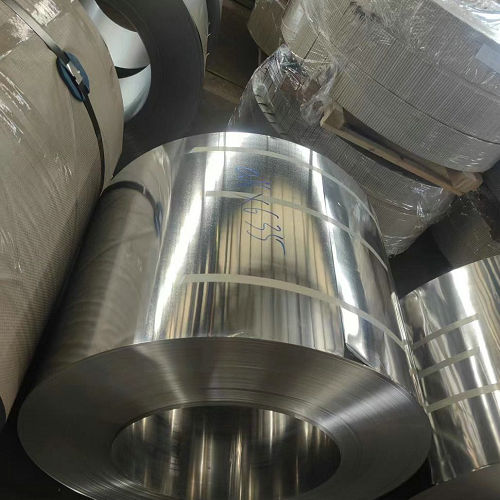
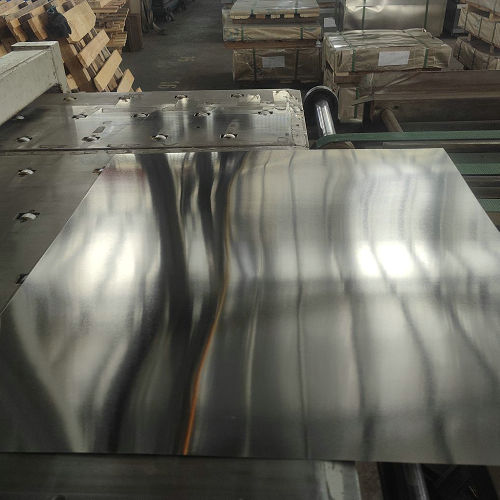
Tin plate — commonly called tinplate — is a thin sheet or coil of cold-rolled carbon steel coated with a thin layer of pure tin on both surfaces. The tin coating (typically 1.1–11.2 g/m² per side) serves three functions: it prevents the underlying steel from corroding, it provides a non-toxic barrier safe for direct food contact (FDA 21 CFR 175.300, EU 1935/2004/EC), and it gives the material a bright, metallic aesthetic suitable for printed packaging and decorative tins.
Tinplate is produced primarily by electrolytic tinning (ETP — Electrolytic Tinplate), where tin ions are deposited onto the steel substrate through an electroplating process. An older method, hot-dip tinning (HDT), applies tin by dipping, but ETP dominates modern production due to superior thickness control and lower tin consumption.
The base steel is typically SPCC (commercial quality) or MR (medium-reduced) grade cold-rolled sheet. After tinning, the material is classified by its annealing method (BA — Batch Annealed, or CA — Continuous Annealed), temper grade (T1 through T5 for single-reduced; DR8/DR9 for double-reduced), and coating weight designation (#25, #50, #75, #100). These parameters determine formability, strength, and corrosion resistance for specific end-use applications.
Since 2016, Huaxiao Metal has supplied tinplate to food packaging manufacturers, aerosol container producers, and decorative tin makers across Asia, Europe, the Middle East, and North America — backed by ISO certification, SGS food-contact testing, and Material Test Certificates (MTC) per EN 10204 3.1.
As we have connections with several Chinese steel mills, we have enough advantages and strengths, and we look forward to becoming one of your suppliers of tinplate.
As leading tin plate manufacturers, we ensure all our products meet the highest quality standards. With a large stock inventory and flexible prices, we are ready to fulfill your orders quickly and efficiently.
The annealing method and plating process determine tinplate’s formability, surface quality, and cost. This comparison helps you select the right type for your cans, containers, or decorative tins.
Process: Steel coils annealed in sealed batches under protective gas
Formability: ★★★★★ — Best for deep-drawn food cans, 3-piece cans
Surface: Soft, slightly rough — excellent lacquer adhesion
Strength: Lower (T1–T3 temper range)
Best Use: Food cans, aerosol bodies, decorative tins requiring complex shapes
Temper Range: T1, T2, T3, T4, T5
Cost: Moderate
Process: Steel strip annealed continuously through a furnace line
Formability: ★★★☆☆ — Harder, less ductile than BA
Surface: Smooth, uniform — ideal for high-quality printing
Strength: Higher (T3–T5, DR8, DR9 range)
Best Use: Beverage cans (2-piece DWI), crown caps, lightweight containers
Temper Range: T3, T4, T5, DR8, DR9
Cost: Lower per unit (thinner gauges possible)
Process: Steel strip dipped into molten tin bath
Formability: ★★★☆☆ — Similar to BA, thicker coating
Surface: Thick tin layer, less uniform thickness
Strength: Varies by base steel grade
Best Use: Specialty containers, heavy-corrosion environments
Temper Range: Limited — typically T1–T3
Cost: Higher (more tin consumed per m²)
| Property | BA Tinplate | CA Tinplate | Hot-Dip (HDT) |
|---|---|---|---|
| Annealing Method | Batch furnace (sealed) | Continuous furnace (open strip) | None / batch prior to dipping |
| Tin Coating Precision | Good (electrolytic) | Good (electrolytic) | Poor (dip — variable thickness) |
| Typical Coating Weight | 1.1–11.2 g/m² (ETP) | 1.1–11.2 g/m² (ETP) | 11.2–30+ g/m² |
| Surface Smoothness | Slightly textured | Very smooth, uniform | Variable, rougher |
| Deep Draw Performance | Excellent (T1–T2) | Moderate (T3–T5) | Good |
| Printing Quality | Good (lacquer-friendly) | Excellent (smooth substrate) | Moderate |
| Lightweight Potential | Moderate | High (DR8/DR9 enable thinner gauges) | Low (thick coating) |
| Global Market Share | ~55% | ~40% | ~5% (declining) |
Unleash Precision and Durability with Our Premium Tin Plate Steel for Sale!
Tinplate temper grades indicate the material’s hardness and formability. Selecting the correct temper is essential for your container’s drawing depth, wall rigidity, and end-use performance.
| Temper Grade | Rockwell HR30T | Category | Typical Application | Formability |
|---|---|---|---|---|
| T1 | 46–52 | Single-Reduced (Soft) | Deep-drawn food cans, aerosol bodies | ★★★★★ |
| T2 | 50–56 | Single-Reduced | General food cans, shallow-drawn containers | ★★★★☆ |
| T3 | 54–60 | Single-Reduced | 3-piece can bodies, crown caps, closures | ★★★☆☆ |
| T4 | 58–64 | Single-Reduced (Hard) | Rigid containers, can ends, stiff shells | ★★☆☆☆ |
| T5 | 62–68 | Single-Reduced (Hardest) | Very rigid containers, fixed-dimension parts | ★☆☆☆☆ |
| DR8 | 70–76 | Double-Reduced | 2-piece DWI beverage cans, ultra-lightweight | ★★★☆☆ (thin gauge) |
| DR9 | 73–79 | Double-Reduced (Hardest) | Ultra-light beverage cans, rigid thin-wall | ★★☆☆☆ (thin gauge) |
| TH550 | ~73 | High-Hardness | Specialized rigid containers | ★☆☆☆☆ |
| TH620 | ~79 | High-Hardness | Maximum rigidity applications | ★☆☆☆☆ |
Tin coating weight determines corrosion protection level. Heavier coatings are required for acidic or sulfur-containing food products.
| Designation | Coating Weight (g/m²) | Typical Per-Side Weight | Recommended Application | Corrosion Protection |
|---|---|---|---|---|
| #10 / 1.1 | 1.1 | 0.55 g/m² per side | Dry goods, non-corrosive products | Light |
| #25 | 2.8 | 1.4 g/m² per side | Mild-content food cans, closures | Moderate |
| #50 | 5.6 | 2.8 g/m² per side | Standard food cans, general packaging | Standard |
| #75 | 8.4 | 4.2 g/m² per side | Acidic food products, fish cans | Heavy |
| #100 | 11.2 | 5.6 g/m² per side | Highly acidic / sulfur-rich foods | Maximum |
| Differential (#25/50) | 2.8 + 5.6 | Asymmetric: inside vs outside | Cans with different internal/external exposure | Targeted |
The surface finish affects printing quality, lacquer adhesion, and visual shelf appeal. Choose based on your branding and corrosion-protection strategy.
| Finish Type | Appearance | Print Quality | Lacquer Adhesion | Best Application | Typical Temper |
|---|---|---|---|---|---|
| Bright | Highly reflective, mirror-like | ★★★★★ | ★★★☆☆ | Premium display tins, gift packaging | T1–T3 (BA preferred) |
| Stone | Slightly textured, matte-sheen | ★★★★☆ | ★★★★★ | Standard food cans, lacquered cans | T2–T5 (BA & CA) |
| Silver | Smooth, low-gloss silver | ★★★☆☆ | ★★★★☆ | General packaging, industrial containers | T3–T5 (CA) |
| Matte | Dull, non-reflective | ★★☆☆☆ | ★★★★★ | Pre-lacquered sheets, internal surfaces | T3–DR9 (CA) |
| Gold Lacquered | Pre-coated gold tone, decorative | ★★★★★ (pre-printed) | N/A (already lacquered) | Cookie tins, gift boxes, promotional packaging | T1–T3 (BA preferred) |
Corrosion Resistance: Tin plate is highly resistant to corrosion due to its tin coating, making it ideal for packaging to prevent rust and contamination.
Aesthetic Appeal: It has a shiny, metallic appearance that enhances the visual appeal of products, making it popular for display on store shelves.
Food Safety: Tinplate is non-toxic and safe for contact with food, ensuring the contents of containers remain uncontaminated.
Formability: Tinplate is easily shaped into various packaging designs, providing versatility for different container shapes and sizes.
Recyclability: Tinplate is recyclable, promoting sustainability by being processed and reused to make new products.
Our tinplate steel is manufactured to the highest standards, ensuring excellent corrosion resistance, durability and formability. Whether you need tinplate for packaging, automotive parts or construction, our products can meet your needs. Contact us today to get a quote for your tinplate needs.
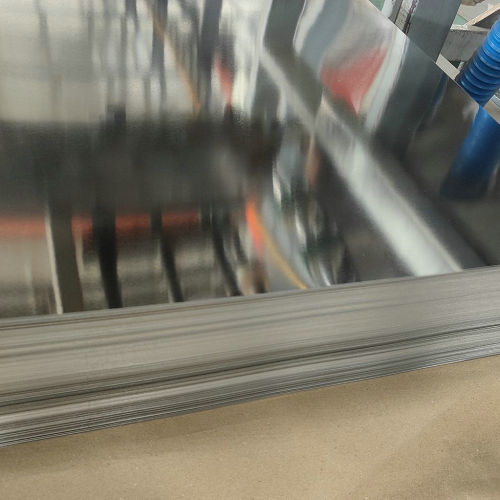
Tinplate is governed by multiple regional standards. This matrix helps you map your specification requirements to the correct standard designation.
| Standard | Origin | Covers | Key Grades/Designations | Notes |
|---|---|---|---|---|
| ASTM A623 | USA | General requirements for tinplate | All ETP & HDT types | Base standard — referenced by all ASTM tinplate specs |
| ASTM A624 | USA | Single-reduced ETP | T1–T5 temper, #25–#100 coating | Most common spec for food can body stock |
| ASTM A625 | USA | Double-reduced ETP | DR8, DR9 temper, #25–#50 coating | For ultra-lightweight beverage cans |
| ASTM A626 | USA | Differentially coated single-reduced ETP | Asymmetric coating (e.g., #25/50) | Different inside/outside tin weight |
| ASTM A650 | USA | Long-terne steel (lead-tin alloy) | Terne coating grades | For fuel tanks, specialty applications |
| EN 10203 | Europe | Cold-reduced tinplate & tin-free steel | E1–E4 coating, TH550–TH660 temper | Primary European standard |
| JIS G3303 | Japan | Tinplate & tin-free steel (TFS) | SPCC, MR base; #25–#100 coating | Widely used in Asia-Pacific markets |
From canned vegetables to luxury cookie tins, tinplate serves diverse packaging needs. This matrix maps each industry to its recommended tinplate type.
| Industry | Product Type | Recommended Type | Temper | Coating | Surface |
|---|---|---|---|---|---|
| Food Packaging | Canned vegetables, fruits, meats | BA ETP | T1–T3 | #50–#75 | Stone / Matte + lacquer |
| Beverage Cans | 2-piece DWI cans, crown caps | CA ETP | DR8–DR9 | #25–#50 | Bright / Silver |
| Aerosol Containers | Spray cans (deodorant, paint, cleaners) | BA ETP | T2–T3 | #50 | Stone / Bright |
| Decorative / Gift Tins | Cookie tins, tea caddies, promotional boxes | BA ETP | T1–T2 | #25–#50 | Bright / Gold Lacquered |
| Cosmetic Packaging | Lip balm tins, compact cases, gift sets | BA ETP | T1–T2 | #25 | Bright / Gold Lacquered |
| Chemical / Industrial | Paint cans, lubricant containers, chemical drums | CA ETP | T3–T5 | #25–#50 | Stone / Silver |
| Closures & Caps | Crown caps, screw caps, EOE closures | CA ETP / TFS | T3–T4 | #25–#50 | Bright / Silver |
| Automotive Components | Fuel filters, small stamped parts | CA ETP | T4–T5 | #25 | Silver / Matte |
Whether you are a supplier or end-user, our tin plate is available in a variety of sizes and thicknesses to suit your industry needs. Check our stock availability and get competitive pricing today!
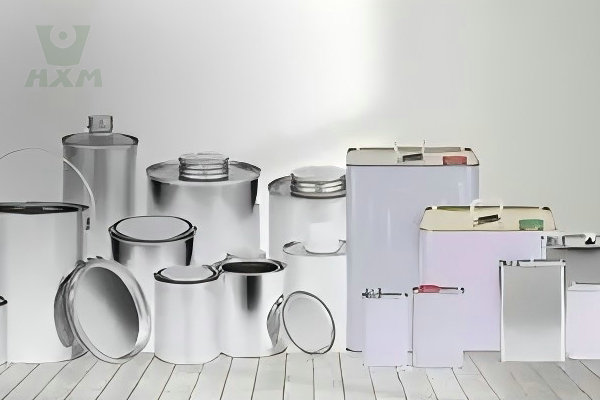
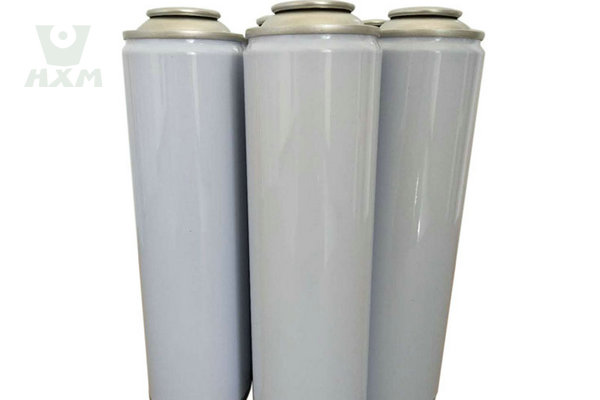
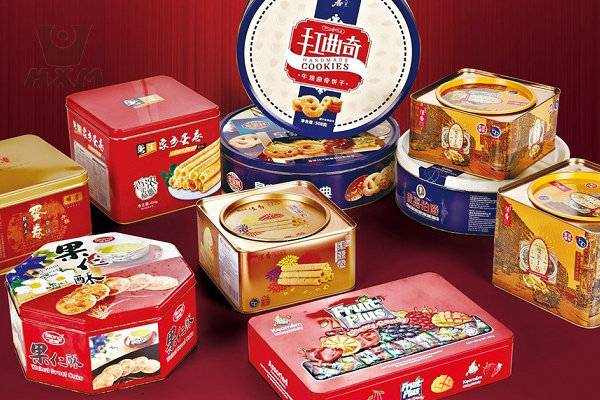
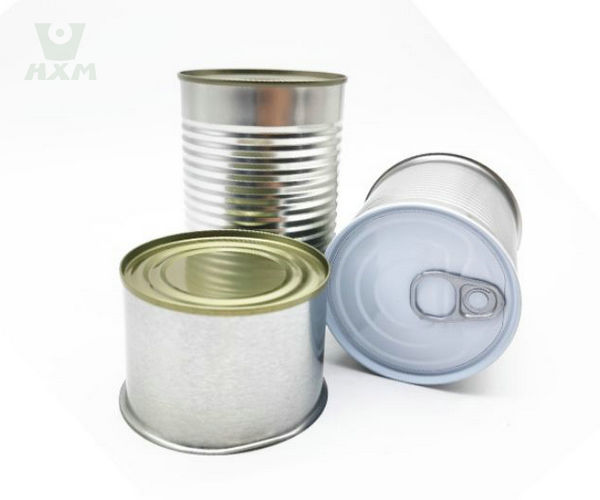
When choosing packaging material, tinplate offers a unique combination of food safety, shelf life, and sustainability that aluminum and plastic cannot fully match.
| Property | Tinplate | Aluminum Can | Plastic (PET/HDPE) |
|---|---|---|---|
| Food Safety Compliance | ✅ FDA & EU certified, non-toxic tin barrier | ✅ FDA compliant, no coating needed | ⚠️ May leach, requires migration testing |
| Shelf Life (acidic foods) | ★★★★★ (3–5 years) | ★★★☆☆ (acid-sensitive) | ★★☆☆☆ (permeable) |
| Recyclability | ✅ Infinitely recyclable, steel stream | ✅ Infinitely recyclable, aluminum stream | ⚠️ Limited cycles, downcycling common |
| Recycling Rate (global avg.) | ~85% (Europe: 92%) | ~70% | ~30% |
| Formability / Drawing Depth | ★★★★★ (deep-draw possible) | ★★★★☆ (good for DWI) | ★★★☆☆ (limited shapes) |
| Print / Decoration Quality | ★★★★★ (litho, lacquer, embossing) | ★★★★☆ (good printing) | ★★★☆☆ (limited decoration) |
| Barrier to Light / Gas | ✅ Complete (opaque, zero permeation) | ✅ Complete (opaque) | ❌ Semi-transparent, gas permeable |
| Material Cost (per container) | Low–Moderate | Moderate–High | Low |
| Carbon Footprint (per kg) | Moderate (offset by recycling rate) | High (primary production) | Moderate (petroleum-derived) |
| Advantage | Detail |
|---|---|
| Tinplate Expert Since 2016 | 8+ years of dedicated tinplate sourcing and supply, backed by global steel trading network since 2014 |
| Direct Mill Connections | Partnerships with multiple Chinese tinplate mills — competitive pricing without middleman markup |
| Food-Safety Certified | All food-grade tinplate tested by SGS for heavy-metal migration per FDA & EU regulations |
| Complete Specification Range | BA & CA types, T1–T5 & DR8/DR9 temper, #10–#100 coating, 5 surface finishes |
| 500+ MT/Month Capacity | Scalable supply for both sample quantities and large-volume contracts |
| 10–15 Day Delivery | Standard orders shipped within 10–15 working days; stock items in 5–7 days |
| Free Samples | 1–2 sheets free of charge for material approval and testing before placing order |
| MTC per EN 10204 3.1 | Material Test Certificate included with every shipment |
| Custom Packaging | VCI anti-rust + seaworthy export packaging, or custom configurations per your requirements |
| Proven Export Track Record | Successful shipments to Canada, Southeast Asia, Europe, and the Middle East |
Looking Forward to Becoming One of Your TinPlate Suppliers
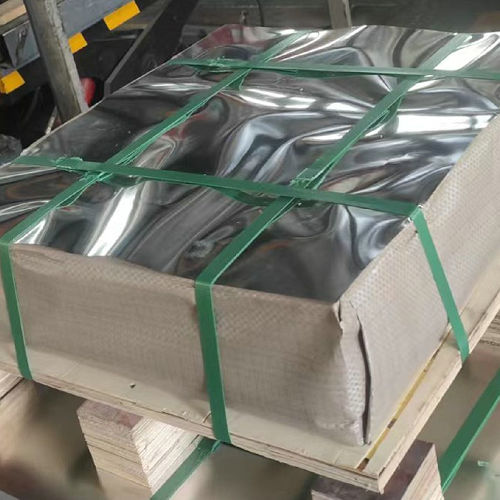
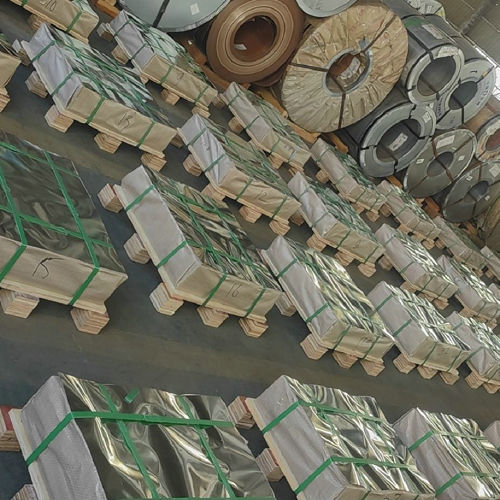
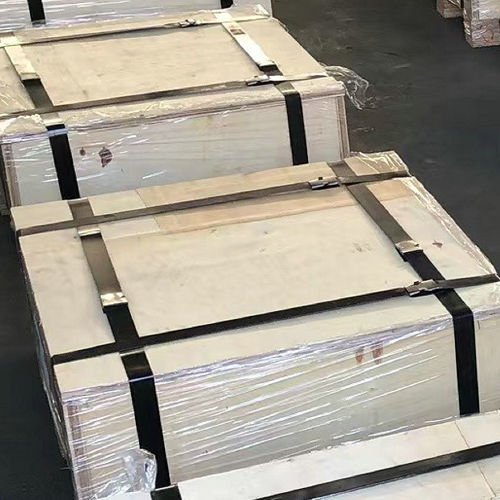
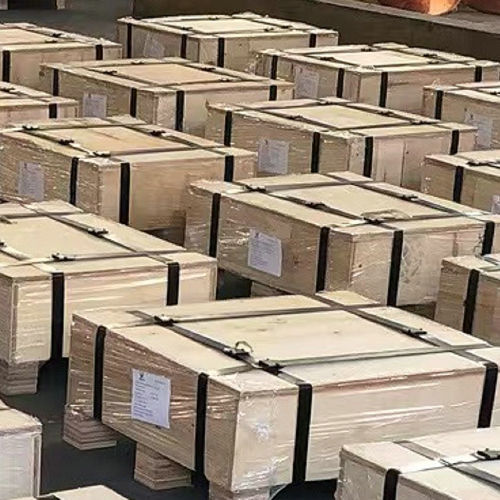
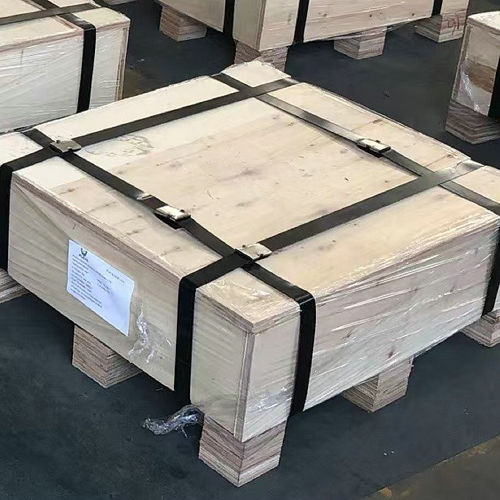
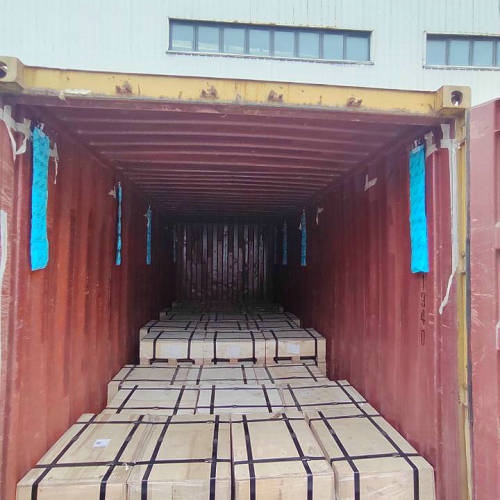
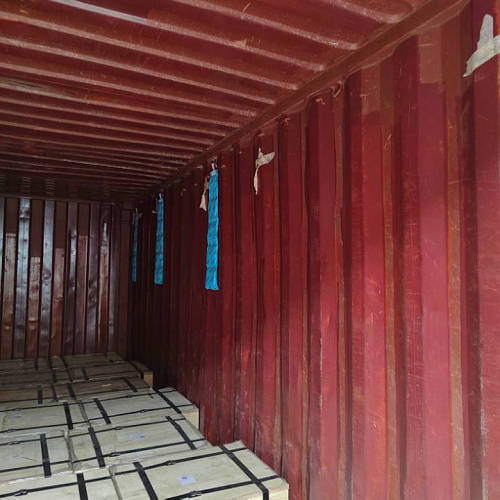
The tin plate & tin coated sheet packaging pictures above are the packaging details of our company’s previous exports to Canada. If customers have other packaging requirements, we can meet them.
Tin plate (tinplate) is a thin sheet or coil of cold-rolled carbon steel coated with a thin layer of tin on both surfaces. The tin coating provides corrosion resistance, food safety compliance, and an attractive metallic appearance, making it the standard material for food and beverage cans, aerosol containers, and decorative packaging worldwide.
BA (Batch Annealed) tinplate is annealed in batches, producing softer, more ductile material with better formability — ideal for deep-drawn cans. CA (Continuous Annealed) tinplate is annealed continuously in a furnace line, yielding harder, higher-strength material suitable for lighter-weight containers and beverage cans where rigidity matters.
Single-reduced temper grades: T1 (softest, for deep drawing) through T5 (hardest, for rigid containers). Double-reduced grades: DR8 and DR9 (even harder, for ultra-lightweight beverage cans). High-hardness grades: TH550, TH580, TH620, TH660 for specialized applications requiring maximum strength.
Yes. Tinplate used for food packaging complies with FDA 21 CFR 175.300 (USA) and EU Regulation 1935/2004/EC. The tin coating is non-toxic and prevents direct steel-food contact. Huaxiao Metal’s tinplate is tested by SGS for heavy-metal migration compliance.
Tin coating weight ranges from 1.1 g/m² (light coating for dry goods) to 11.2 g/m² (heavy coating for acidic foods). Common designations: #25 (2.8 g/m²), #50 (5.6 g/m²), #75 (8.4 g/m²), #100 (11.2 g/m²). Different coating weights per side (e.g., #25/50) are available for asymmetric corrosion environments.
Electrolytic tinplate (ETP) uses electroplating to deposit a precise, thin tin layer — the dominant method today due to better thickness control, lower tin consumption, and consistent quality. Hot-dip tinplate (HDT) applies tin by dipping, producing a thicker but less uniform coating. ETP is preferred for food packaging; HDT is used mainly for specialty applications requiring very heavy coatings.
Five standard finishes: Bright (highly reflective, for premium display), Stone (slightly textured, for general packaging), Silver (smooth matte appearance), Matte (dull finish for lacquering), and Gold Lacquered (pre-lacquered gold tone for decorative tins). Each finish suits different printing and branding requirements.
Standard MOQ is 5 metric tons per temper grade and coating combination. Sample quantities (1–2 sheets) are available free of charge for material approval testing. For regular orders, Huaxiao Metal can supply 500+ metric tons per month with 10–15 day delivery.
Key standards: ASTM A623 (general requirements), A624 (single-reduced ETP), A625 (double-reduced ETP), A626 (single-reduced differentially coated), EN 10203 (European cold-reduced tinplate), JIS G3303 (Japanese tinplate and tin-free steel). All Huaxiao Metal tinplate is produced to at least one of these standards with MTC (Material Test Certificate) provided.
Coils are packaged with VCI anti-rust paper, steel strapping, and wooden pallets. Sheets are stacked on pallets with edge protectors and moisture barrier wrap. All export packaging meets seaworthy standards per ISPM 15. Custom packaging configurations are available upon request — Huaxiao Metal has successfully shipped tinplate to Canada, Southeast Asia, Europe, and the Middle East.
Huaxiao Metal is your trusted supplier of quality tin plate products. As a leading tinplate factory in China, we specialize in providing high-quality tinplate for a variety of industrial needs. Known for its excellent corrosion resistance, durability, and versatility, our tinplate is well-suited for a variety of applications. Contact us for tinplate prices!
Provide your specifications below. We’ll respond within 24 hours with pricing, availability, and delivery details.
WhatsApp us

Automated page speed optimizations for fast site performance