
For procurement managers and project leaders, sourcing specialized materials like weathering steel is a decision that directly impacts project budgets, timelines, and long-term quality. In a market filled with traders and distributors, securing the lowest per-ton price often masks deeper risks and hidden costs.
A successful procurement strategy looks beyond the initial quote. It focuses on partnering with a strategic manufacturer to lower the Total Cost of Ownership (TCO) and de-risk the entire supply chain. This guide outlines the critical factors to evaluate when sourcing weathering steel in bulk, ensuring your investment is both safe and cost-effective.
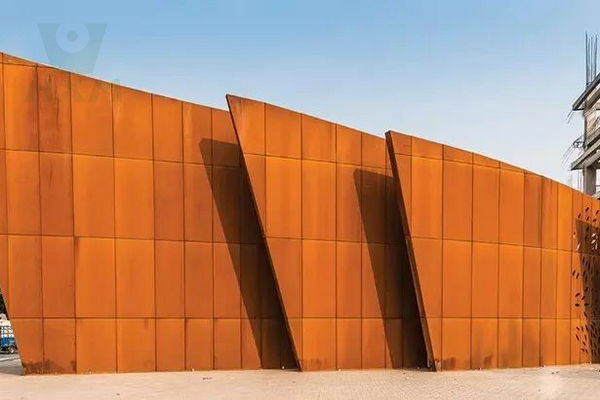
In modern architecture and design, the choice of material often determines the ultimate style and longevity of a project. Among the many options, weathering steel stands out for its unique visual appeal and exceptional durability. When exposed to the atmosphere, this steel naturally forms a stable, dense rust layer on its surface, eliminating the need for additional coatings and effectively resisting further corrosion. This unique “rust” aesthetic imbues it with an industrial, rustic, and historical allure, making it a favorite among architects, designers, and artists.
This article will delve into the world of weathering steel, specifically Corten, which has become synonymous with the material. Whether you’re an engineer seeking a unique building material or an architect searching for inspiration for a new project, this article will provide you with the needed expertise.
As a professional weathering steel supplier and manufacturer, Huaxiao Metal offers products and services you can trust. For detailed technical data and our manufacturing capabilities, please view our core weathering steel product specifications. For detailed technical data and our manufacturing capabilities, please review our core weathering steel product specifications.
What is Weathering Steel?
Weathering steel, as the name suggests, is a type of alloy steel resistant to atmospheric corrosion. It’s made by adding small amounts of alloying elements such as copper, phosphorus, chromium, and nickel to ordinary carbon steel, altering the steel’s microstructure and chemical properties. When exposed to outdoor conditions, weathering steel undergoes a unique “weathering” process. Initially, it rusts like ordinary steel, forming a layer of brownish-reddish rust. However, over time, through cycles of wetting and drying, this rust layer gradually becomes denser and more stable, forming a passive layer known as a protective rust layer.
How Weathering Steel Works
The formation of this protective rust layer is the core advantage of weathering steel. Composed of amorphous iron oxide and alloying elements, this rust layer is tightly bound to the base steel. It effectively isolates oxygen and moisture, thereby preventing further corrosion within the steel. This allows weathering steel to withstand long-term outdoor service without the need for any coating or maintenance.
Corten: Synonymous with Weathering Steel
In the world of weathering steel, “Corten” is an inescapable name. A registered trademark of U.S. Steel, Corten derives its name from its two core properties: corrosion resistance and tensile strength. Although Corten is the name of a specific grade, its exceptional properties and widespread applications have made it so well-known that many people use the term interchangeably with weathering steel. When people talk about weathering steel, they’re usually referring to this type of steel, which exhibits self-healing properties.
Types and Grades of Weathering Steel
Common Grades
Corten A (EN 10025-5 S355J0WP) – Better atmospheric corrosion resistance, suitable for architectural use.
Corten B (ASTM A588, EN 10025-5 S355J2W) – Higher strength, widely used in structural applications.
ASTM A242 – High-strength, low-alloy steel for bridges and industrial structures.
Equivalent Standards
| Standard | Grade / Designation |
|---|---|
| ASTM | A242, A588 |
| EN | S355J0WP, S355J2W |
| JIS | SPA-H, SPA-C |
| GB (China) | Q355GNH, Q450NQR1 |
Advantages and Disadvantages of Weathering Steel
Main Advantages
Extreme Weathering Resistance: This is Weathering Steel’s most significant advantage. Its unique protective rust layer makes it more durable and long-lasting than ordinary steel in outdoor environments.
No Coating and Maintenance Required: Weathering Steel eliminates the need for expensive anti-corrosion coatings and regular maintenance, significantly reducing project lifecycle costs.
Unique Visual Aesthetics: The reddish-brown rust layer that forms on the surface offers rich layering and natural textures, lending the project a unique artistic quality. It blends seamlessly with the natural landscape, and its color gradually deepens over time, adding a sense of history.
High Strength: Weathering Steel typically has high yield strength and tensile strength, meeting structural load-bearing requirements.
Environmental Benefits: Since no coating is required, the use of paint and solvents is reduced, making it more environmentally friendly.
Potential Disadvantages
Initial Rust Water Contamination: During the initial formation of the protective rust layer, rust water may flow out and contaminate surrounding concrete, stone, or ground. This requires designers to consider drainage and isolation measures during project planning.
Unsuitable for Wet Environments: In environments with persistent moisture or water immersion, weathering steel’s protective rust layer cannot form and stabilize properly, causing continued corrosion. Therefore, it is not suitable for underwater or frequently submerged applications.
Color Variation: The color of the rust layer can be affected by factors such as ambient humidity, contaminants, and sunlight, resulting in localized color variations.
Welding Complexity: Welding weathering steel requires welding consumables with similar composition to the parent material to ensure consistent weathering resistance, which requires specialized techniques.
Applications of Corten Weathering Steel
Weathering steel, with its unique properties and aesthetics, has been widely used in a variety of fields.
Architecture and Structural Engineering
- Building Facades: Many modern buildings, such as the Barclays Center in New York, use weathering steel panels as exterior cladding, creating a rugged, industrial aesthetic.
- Bridges: Due to its excellent corrosion resistance, weathering steel is widely used in bridge structures, reducing maintenance costs.
- Large Sculptures and Public Facilities: Many large-scale public artworks, such as Cloud Gate in Chicago, utilize weathering steel, despite its polished stainless steel finish.
Landscape Design and Gardening
- Retaining Walls and Flower Beds: Weathering steel can be fashioned into retaining walls and flower bed borders of various sizes and shapes, creating a striking contrast with foliage and enhancing a harmonious blend of nature and modernity.
- Garden Paths and Paving: Weathered steel panels can be used for garden paths and steps, and their natural rust-red color complements greenery.
- Water Features and Waterfalls: Weathering steel can create a unique visual effect in water features where a rust-like effect is desired.
Artistic Sculptures and Public Furniture
- Artistic Sculptures: Many outdoor sculptors favor weathering steel for its ability to capture the marks of age and natural texture.
- Streetlights, Signs, Benches: In urban furniture design, weathering steel is highly sought after for its durability and unique aesthetic.
Beyond Per-Ton Price: Evaluating the Total Cost of Ownership (TCO)
The most experienced procurement professionals analyze the TCO. A true manufacturing partner helps you reduce costs across the project lifecycle.
Factor in Zero Maintenance: The primary value of weathering steel is its self-protecting patina, which eliminates the need for painting, galvanizing, and future maintenance. This translates to enormous long-term savings in labor and materials, a powerful justification when presenting project budgets.
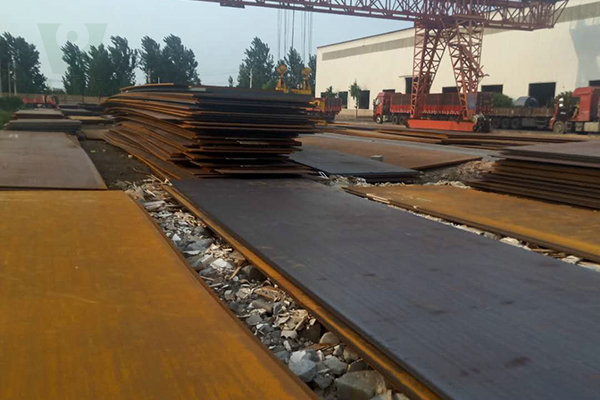
Leverage Value-Added Fabrication: Does your supplier just deliver raw steel plates? Or can they provide precision cutting, bending, and welding? Working with a direct corten steel manufacturer that offers in-house fabrication consolidates vendors, streamlines logistics, and dramatically reduces on-site labor costs and project complexity.
Minimize Material Waste: Ordering pre-fabricated components cut precisely to your drawings minimizes expensive on-site scrap. This level of precision is a key service offered by advanced manufacturers, directly impacting your bottom line.
Weathering Steel Procurement Guide: The Advantage of a Direct Manufacturer Over a Trader
For high-volume orders, supply chain control is non-negotiable. This is the fundamental difference between a manufacturer and a trader.
Guaranteed Production Capacity: A trader is limited by their network’s availability. A manufacturer has direct control over production lines and can transparently commit to schedules for large-volume orders, ensuring your project stays on track.
Greater Price Stability: By eliminating the multiple layers of margin added by middlemen, sourcing directly from the manufacturer provides more competitive and stable pricing, protecting your budget from market volatility.
Direct & Accurate Communication: When a technical clarification equipment can cut materials precisely to your project’s specifications from large coils or plates. This factory-level optimization drastically reduces the costly on-site scrap and material waste associated with standard-length materials.
De-Risking Your Purchase: Why Mill Test Certificates (MTC) Are Non-Negotiable
In a large-scale project, a single batch of non-compliant material can cause catastrophic delays and budget overruns. Your primary tool for risk mitigation is documentation.
Understanding ASTM, EN, and Other Global Standards
Your project requires steel that adheres to specific standards, such as ASTM A588 or S355J2W. A qualified manufacturer must not only recognize these standards but also have a proven track record of producing materials that consistently meet their precise chemical composition and mechanical properties.
Our Commitment to Quality: The Huaxiao QA/QC Process
We enforce rigorous Quality Assurance (QA) and Quality Control (QC) protocols at every stage of production. This ensures that the first ton of steel you receive is identical in quality and performance to the last. Every order is accompanied by its MTC, giving you complete confidence and traceability.
Logistics & Delivery: What to Expect for High-Volume International Orders
Transporting tons of steel across the globe is a complex logistical operation. Your supplier must also be a logistics expert.
Secure Packaging for Sea Freight
Improper packaging for heavy materials can lead to corrosion, warping, and damage during transit. We utilize robust, export-standard packaging—including waterproof wrapping, steel strapping, and secure pallets or cradles—to ensure your materials arrive at your port in perfect condition.
Navigating Customs and Documentation
An experienced global supplier will manage all necessary export documentation seamlessly. This includes providing the correct commercial invoices, packing lists, and certificates of origin to ensure a smooth and predictable customs clearance process, avoiding costly port delays.
Checklist: How to Evaluate Your Next Weathering Steel Supplier
Choosing a reliable weathering steel supplier is crucial, as it directly impacts the quality and cost of your project. Before committing to a large order, ask your potential supplier these questions:
Are you a direct manufacturer or a trading company? Can you provide a virtual or in-person factory tour?
Can you provide Mill Test Certificates (MTCs) for every batch and explain the data within them?
What is your production capacity for an order of [Your Tonnage] tons?
Can you show me examples of your value-added fabrication services (cutting, bending)?
Show me examples of your export packaging for a project of similar scale.
Can you provide references or case studies for projects delivered to my region?
Huaxiao Metal is a trusted manufacturer and supplier of weathering steel with many years of industry experience. We not only provide high-quality Corten steel products but also offer comprehensive customization services. Our advanced processing equipment allows us to provide precision-cut weathering steel plates, coils, and profiles to your exact specifications. Regardless of the scale of your project, we can provide the most suitable solution. Our commitment to product quality and responsiveness to customer needs have made us the preferred partner for numerous international clients.
Secure Your Supply Chain with Huaxiao Metal
Your choice of a weathering steel supplier is a strategic decision that impacts project cost, timeline, and quality. By looking beyond the per-ton price and focusing on TCO, supply chain control, quality assurance, and logistics expertise, you secure a partner who delivers lasting value.
The team at Huaxiao Metal operates as a direct manufacturing partner for high-volume procurement needs worldwide. We invite you to put our capabilities to the test.
Submit your project specifications to our team today. We will provide a strategic, competitive quote and demonstrate how a direct manufacturing partnership can strengthen your supply chain and benefit your bottom line.
FAQ
What is Corten steel weathering?
Corten steel weathering refers to the stable, dense, reddish-brown rust layer that gradually forms on the surface of Corten steel after cycles of wetting and drying in the natural atmosphere. This rust layer effectively protects the steel from further corrosion and is the source of Corten steel’s unique aesthetic and durability.
What are the main applications of corten weathering steel?
It is widely used in architecture, bridges, outdoor structures, sculptures, containers, and industrial equipment.
What is the difference between Weathering steel and Corten steel?
Weathering steel is a general term referring to all steels resistant to atmospheric corrosion. Corten steel, on the other hand, is a registered trademark of the United States Steel Corporation for weathering steel and is the most well-known and commonly used type of weathering steel. Therefore, Corten steel can be considered a type of weathering steel, but not all weathering steel is Corten.
What types of weathering steel does Huaxiao Metal offer?
As a professional weathering steel supplier, we primarily offer weathering steel grades that meet various international standards, including Corten A, Corten B, ASTM A588, and EN S355J0W/J2W. We offer weathering steel in sheets, coils, and custom-made profiles.
Is weathering steel expensive?
Compared to ordinary carbon steel, weathering steel has a slightly higher initial price due to its special alloying elements. However, considering the elimination of anti-corrosion coating and maintenance costs over the project lifecycle, its overall cost may be more economical. The specific price depends on the grade, specifications, and order volume.
Is weathering steel suitable for all climates?
Weathering steel performs best in alternating wet and dry conditions. In highly humid or marine environments, additional protection may be required.
Can weathering steel be used indoors?
When used indoors, weathering steel lacks a stable, protective rust layer due to the lack of wet-dry cycles. As a result, it may retain its original gray appearance or develop uneven, floating rust. To achieve its unique rust aesthetic for indoor use, artificial catalysis or pre-treatment is usually required.